

Formula 1's Cold War Gamble: How Hungary Brought Grand Prix Racing East
Translated from German, summarized and contextualized by DistantNews.
At a glance
In-depth
Sources not specified
Context piece
- Formula 1 sought to expand into Eastern Bloc countries in the early 1980s, aiming to capitalize on new markets.
- Hungary, then a relatively liberal socialist country, was chosen over the Soviet Union and Yugoslavia to host a Grand Prix.
- The Hungaroring circuit was built in just nine months, hosting its first race in 1986, marking a significant moment for both Formula 1 and the Eastern Bloc.
Forty years ago, Formula 1, under the leadership of Bernie Ecclestone, set its sights on breaking through the Iron Curtain, seeking lucrative opportunities in Eastern Bloc countries. While initial ambitions included races in Moscow or the former Yugoslavia, it was Hungary that ultimately became the unlikely host for a Grand Prix.
Ecclestone, driven by a vision of "turbo-capitalism" and "Eastern exoticism" for Western audiences, saw immense business potential behind the Iron Curtain. Despite the ideological divide of the Cold War, he believed a Formula 1 spectacle could generate significant revenue. The Soviet Union was deemed too "gray and depressing," and Yugoslavia didn't materialize as a venue.
The Hungarians did an excellent job. We were amazed at how well everything went.
Hungary, however, presented a more amenable prospect. The country's relatively liberal stance within the socialist bloc, coupled with a pragmatic approach from its party leadership, suggested that foreign currency from motorsport would be welcomed. The idea was that the influx of funds from Formula 1 could be more beneficial than traditional agricultural endeavors.
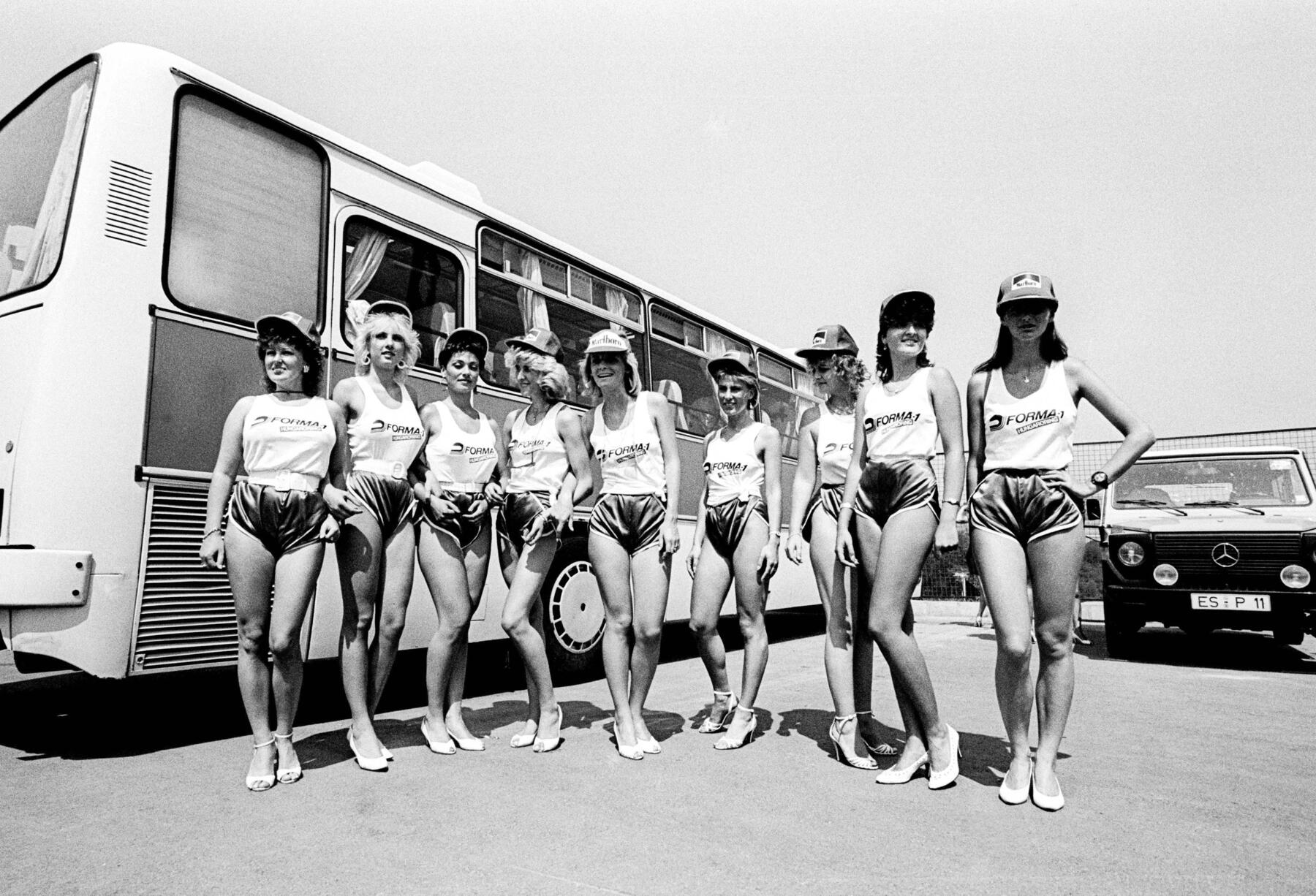
This ambition culminated in the construction of the Hungaroring circuit near Budapest in a remarkably short period of nine months. The track debuted in 1986, a year that saw "Grid Girls" as an unusual sight in socialist Hungary. Ecclestone himself recalled being "amazed at how well everything went," highlighting the Hungarians' efficient execution. The race has since become a staple, with this year marking the 41st Hungarian Grand Prix, a testament to the enduring legacy of Formula 1's foray into the Eastern Bloc.
Formula 1 will probably bring us more money than growing potatoes.
DistantNews Editorial
Originally published by Die Presse in German. Translated, summarized, and contextualized by our editorial team with added local perspective. Read our editorial standards.
More Stories


From Our Blog

What Gets Lost (and Found) When News Is Translated

The Critical Role of Diaspora Media in Global News

What Travellers Should Know About Countries with Restricted Press

A Digital Nomad's Guide to Following Local News

How the Same Story Looks Different in Different Countries
