


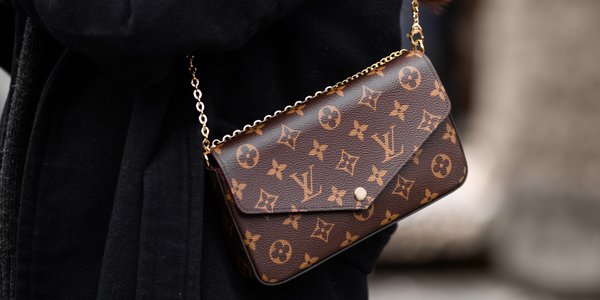
France's Luxury Market Faces Crisis as Sales Plummet
Translated from Polish, summarized and contextualized by DistantNews.
At a glance
Analysis
Sources not specified
Context piece
- France's dominance in the luxury goods market, built over centuries, is facing a significant crisis as sales decline.
- Major luxury groups like LVMH and Kering, which consolidated smaller fashion houses, are now confronting a drop in demand, particularly from aspirational middle classes and international buyers.
- Geopolitical factors and internal French issues are contributing to the downturn, forcing producers to re-evaluate pricing strategies to maintain their market position.
France, long synonymous with luxury and craftsmanship, is experiencing a significant downturn in its once-dominant luxury goods sector. The industry, which thrived for decades, particularly after the COVID-19 pandemic with a surge in demand from Chinese consumers and the wealthy elite, is now facing a serious crisis. This decline is impacting major French conglomerates like LVMH and Kering, which have amassed a portfolio of the world's most coveted brands.
Historically, France's luxury market was built on centuries of artisanal excellence, royal patronage, and the creation of exclusive brands like Chanel, Guerlain, and Dior. In the late 20th century, large groups, led by Bernard Arnault's LVMH and François-Henri Pinault's Kering, consolidated many smaller fashion houses. LVMH, for instance, owns brands such as Louis Vuitton, Dior, and Bulgari, while Kering controls Yves-Saint-Laurent and Gucci. This consolidation created industry giants, with LVMH's market value at times exceeding 300 billion euros.
However, the strategy shifted from exclusivity to accessibility, targeting the aspirational middle class. This expansion, while boosting sales for a decade and generating revenues of up to 350 billion euros annually (with French companies capturing 160 billion euros), appears to have reached its limit. Prices for luxury items, including perfumes and jewelry, have risen sharply, with an average increase of 36% in the last five years alone.
Now, geopolitical tensions and internal French challenges are contributing to a slump in demand. The industry faces a critical pricing dilemma as producers grapple with how to maintain their premium image and market share amidst falling sales. The very strategy that propelled French luxury to global dominance may now be contributing to its current struggles, forcing a re-evaluation of how to navigate this challenging market.
DistantNews Editorial
Originally published by Rzeczpospolita in Polish. Translated, summarized, and contextualized by our editorial team with added local perspective. Read our editorial standards.
More Stories


From Our Blog

What Gets Lost (and Found) When News Is Translated

The Critical Role of Diaspora Media in Global News

What Travellers Should Know About Countries with Restricted Press

A Digital Nomad's Guide to Following Local News

How the Same Story Looks Different in Different Countries
