

Franz Josef Land: A Century of Soviet/Russian Control After Austrian Discovery
Translated from German, summarized and contextualized by DistantNews.
TLDR
- The Soviet Union annexed Franz Josef Land on April 15, 1926, a move largely unnoticed by the international community at the time.
- Austrian explorers had discovered the Arctic archipelago in 1873 and named it after Emperor Franz Joseph I, but Austria-Hungary did not claim sovereignty.
- The Soviet annexation, based on the controversial "sector theory," was protested by Italy and Norway but ultimately solidified with the establishment of the USSR's northernmost settlement.
On April 15, 1926, the Soviet Union formally annexed Franz Josef Land, an act that transpired with little global fanfare despite its significant geopolitical implications. This remote Arctic archipelago, discovered by Austrian explorers Joseph Payer and Carl Weyprecht in 1873 during the Austro-Hungarian North Pole expedition, was named in honor of Emperor Franz Joseph I. The explorers meticulously surveyed the islands, bestowing names upon geographical features that reflected their homeland, such as "Kap Wiener Neustadt" and "Insel Klagenfurt." However, crucially, they refrained from asserting any legal claim of sovereignty on behalf of the Austro-Hungarian Empire, leaving the territory unclaimed.
This lack of formal claim by Austria-Hungary paved the way for the Soviet Union's annexation over five decades later. Moscow justified its actions through the "sector theory," asserting that all lands and islands north of its coastline up to the North Pole fell within its sovereign territory. This move was met with protests from Italy and Norway, the latter concerned about its interests in seal hunting and fishing. Norway's attempts to maintain the territory's status as unclaimed and to establish a weather station were ultimately unsuccessful.
klassische Rituale der Besitzergreifung
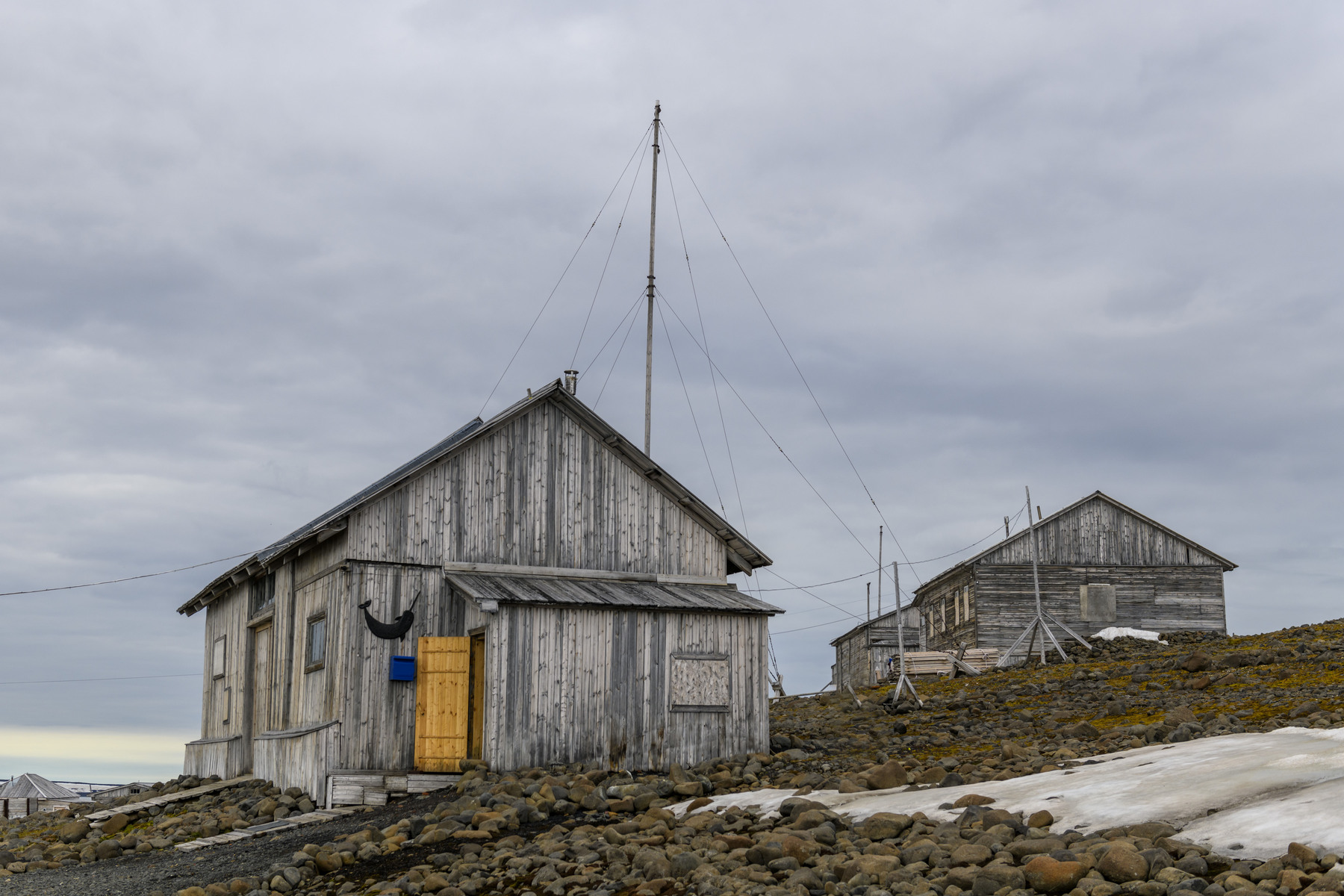
The Soviet Union solidified its control by sending an icebreaker north in 1929, leading to the establishment of the USSR's northernmost settlement a year later. This physical occupation marked the definitive incorporation of Franz Josef Land into Soviet territory. With the onset of the Cold War, the strategic and military importance of Franz Josef Land to the Soviet Union grew considerably, underscoring its enduring significance in Russian strategic planning.
Mit stolzer Erregung pflanzten wir die Flagge Oesterreich-Ungarns zum ersten Mal im hohen Norden auf; wir hatten das Bewußtsein, sie so weit getragen zu haben, als unsere Kräfte es erlaubten. War es auch kein Act völkerrechtlicher Nothwendigkeit und fern von der Bedeutung der Besitznahme eines Landes, wie einst, wenn Albuquerque oder Van Diemen die Abzeichen ihres Vaterlandes auf fremder Erde entrollten, so hatten wir doch nicht minder schwer, als sie jene Paradiese, dieses Stückchen kalten, starren Bodens erworben.
DistantNews Editorial
Originally published by Die Presse in German. Translated, summarized, and contextualized by our editorial team with added local perspective. Read our editorial standards.
More Stories


From Our Blog

What Gets Lost (and Found) When News Is Translated

The Critical Role of Diaspora Media in Global News

What Travellers Should Know About Countries with Restricted Press

A Digital Nomad's Guide to Following Local News

How the Same Story Looks Different in Different Countries
