

From Attila the Hun to Donald Trump: A Brief History of Clashes Between Popes and Political Leaders
Translated from Romanian, summarized and contextualized by DistantNews.
TLDR
- The exchange between Donald Trump and Pope Leo XIV echoes a historical pattern of conflict between Catholic leaders and political figures.
- Vatican's moral interventions in geopolitics have often created tensions with political powers throughout history.
- The article traces this dynamic from Pope Leo I confronting Attila the Hun to modern disputes involving Napoleon and World War II leaders.
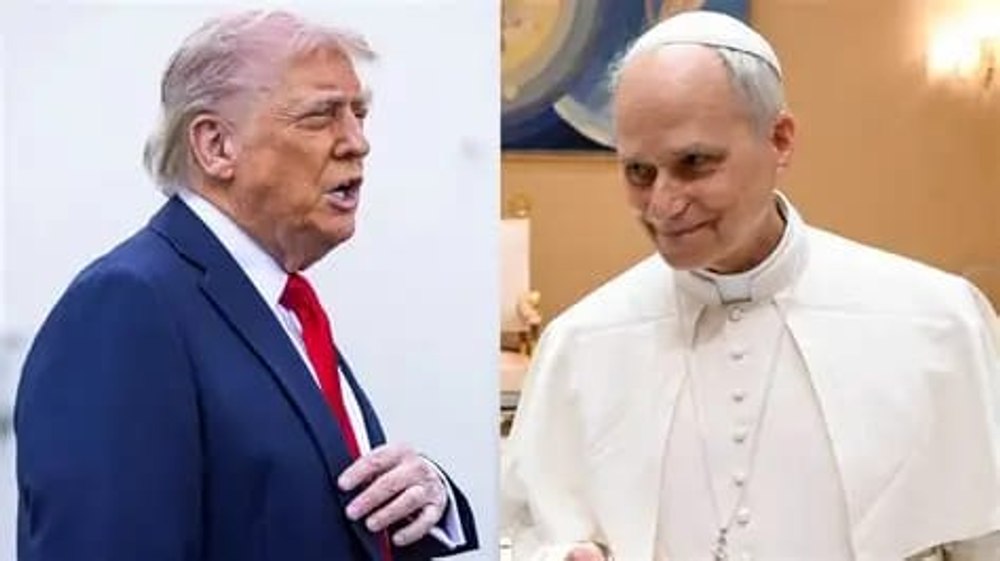
The recent verbal sparring between American President Donald Trump and Pope Leo XIV is not an isolated incident but rather a continuation of a centuries-old tradition where the Vatican's moral authority has clashed with formidable political leaders. This recurring dynamic, where the Church's pronouncements on geopolitical matters meet resistance from those in power, highlights the inherent tension between spiritual guidance and temporal rule.
From Pope Leo I's diplomatic encounter with Attila the Hun in the 5th century to the tumultuous relationship between Napoleon Bonaparte and Popes Pius VI and VII, history is replete with examples of pontiffs challenging or being challenged by secular leaders. These confrontations, whether through direct diplomacy, imprisonment, or indirect influence, underscore the Vatican's consistent, albeit sometimes controversial, engagement with global affairs.
God does not listen to the prayers of those who wage war
Even during the complexities of World War II, Pope Pius XII navigated a path of quiet diplomacy, a strategy that drew criticism for its perceived lack of public condemnation of Nazi atrocities, while supporters argue it saved countless lives. Later, Pope Paul VI and John Paul II engaged in Ostpolitik, dialoguing with communist regimes during the Cold War, demonstrating the Church's willingness to engage even with adversarial political systems.
This historical context is crucial for understanding the current exchange. While Pope Francis has previously critiqued certain US policies under Trump, the current dispute, fueled by differing views on the Middle East conflict, shows that the Vatican's role as a moral arbiter in international affairs remains a potent, and often contentious, force. It is a role that, from our perspective, is vital for reminding political leaders of their ethical responsibilities, even when it leads to friction.
unacceptable
DistantNews Editorial
Originally published by Adevărul in Romanian. Translated, summarized, and contextualized by our editorial team with added local perspective. Read our editorial standards.
More Stories

From Our Blog

What Gets Lost (and Found) When News Is Translated

The Critical Role of Diaspora Media in Global News

What Travellers Should Know About Countries with Restricted Press

A Digital Nomad's Guide to Following Local News

How the Same Story Looks Different in Different Countries
