


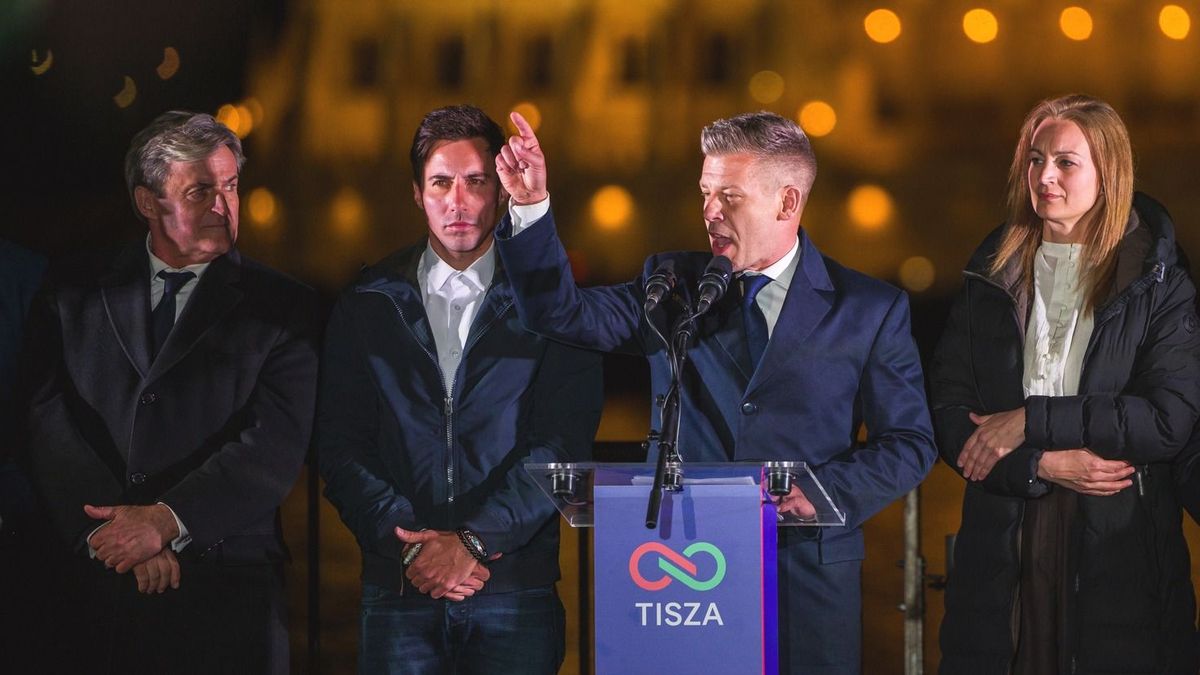
From System-Shattering Concert to Festive Party: Reflecting on Hungary's Past
Translated from Hungarian, summarized and contextualized by DistantNews.
TLDR
- The article reflects on Hungary's past under the Rákosi regime, characterized by severe human rights abuses and propaganda.
- It contrasts the past oppression with the present, noting that many only vaguely remember the era of personality cults and purges.
- The piece mentions a recent 'system-dismantling concert' held in Heroes' Square, a month after which the author, a writer and journalist, reflects on the lingering memories of that period.
Hungary's journey through the 20th century is marked by periods of profound darkness, none perhaps more chilling than the Rákosi era. This was a time when the communist propaganda machine worked overtime to project an image of a 'happy country,' while in reality, the most basic human rights were trampled underfoot. The consequences were dire: nearly two hundred people perished in politically motivated trials, and an estimated three hundred thousand were forcibly relocated or interned, primarily targeting former landowners, prosperous farmers, military officers, and state employees. A staggering one million people faced prosecution.
In such a climate, public celebrations and military parades were not expressions of genuine joy but tools of a ruthless dictatorship, reliant on the extensive network of informants to maintain control. The stark contrast between this oppressive past and the present day is palpable. As the saying goes, 'much water has flowed under the Danube (and the Tisza) since then.' We live in different times, and the memories of the personality cults and brutal purges have faded for many, becoming distant echoes rather than lived experiences.
Recently, Heroes' Square hosted a 'system-dismantling grand concert.' It has been a full month since this event, and as a writer and journalist reflecting on Hungary's history, the lingering specter of that past compels contemplation. While the concert itself may have been a moment of catharsis or celebration, it also serves as a poignant reminder of the nation's resilience and its hard-won freedom. From the perspective of Magyar Nemzet, understanding these historical traumas is crucial for appreciating the present and safeguarding the future. The scars of the Rákosi regime, though perhaps less visible now, are an indelible part of the Hungarian national consciousness, shaping our identity and our ongoing commitment to democratic values.
DistantNews Editorial
Originally published by Magyar Nemzet in Hungarian. Translated, summarized, and contextualized by our editorial team with added local perspective. Read our editorial standards.
More Stories


From Our Blog

Countries Without a Free Press: What You Need to Know

What Press Freedom Means for the News You Read

What Gets Lost (and Found) When News Is Translated

The Critical Role of Diaspora Media in Global News

What Travellers Should Know About Countries with Restricted Press
