

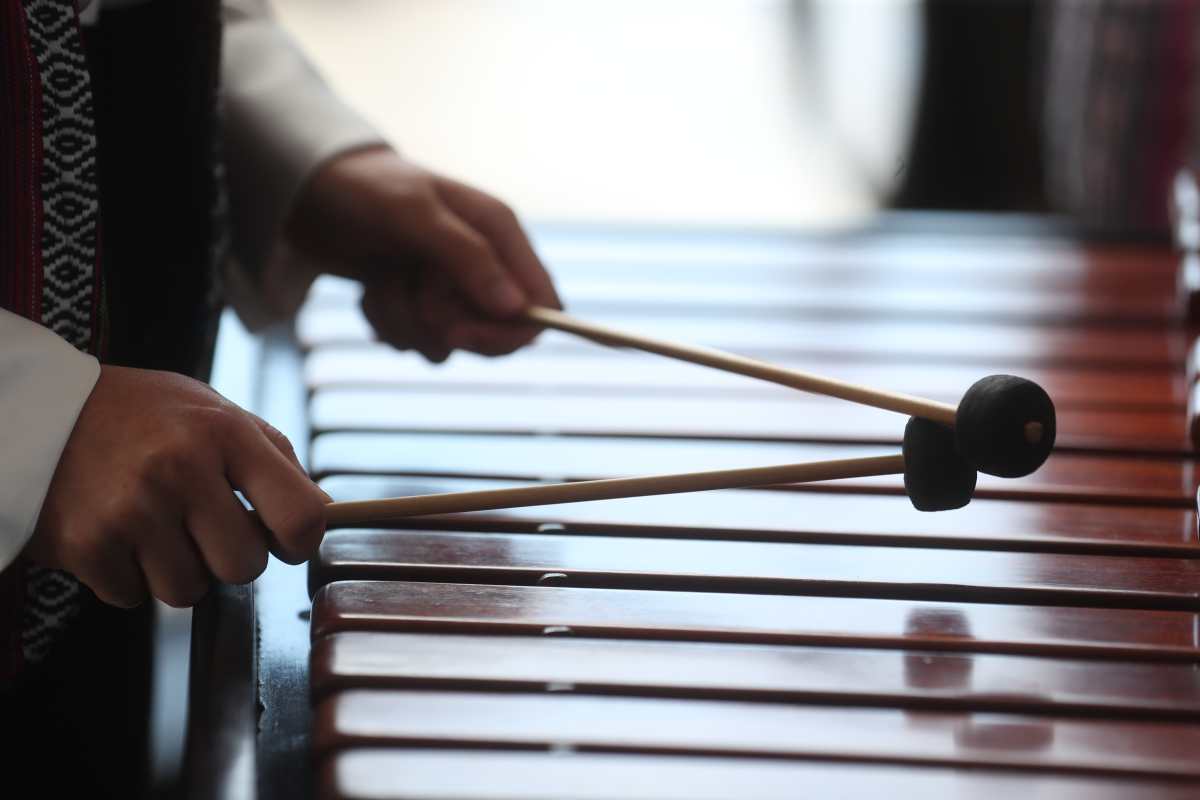

From "Waka Waka" to "La Copa de la Vida": Songs That Defined World Cups and What's Next for 2026
Translated from Spanish, summarized and contextualized by DistantNews.
TLDR
- The FIFA World Cup, a global event combining football and music, is set to be hosted by three North American countries in 2026.
- Iconic songs like Shakira's
The FIFA World Cup is more than just a sporting event; it's a global festival that unites fans through the rhythm of the ball and the power of music. As we look forward to the 2026 tournament hosted by North American nations, anticipation builds for the official song that will define this edition. Already, vibrant musical proposals are emerging, particularly from Mexico, featuring artists like Jelly Roll, Carín León, Belinda, and Los Ángeles Azules, hinting at the rich cultural tapestry that will accompany the games.
Waka Waka (This Time for Africa)
Over the years, certain anthems have transcended the tournaments they represent, becoming indelible parts of football history. Shakira, a global music icon, has left an undeniable mark with her World Cup songs, including "Waka Waka" for South Africa 2010 and "La La La" for Brazil 2014. These are joined by other memorable tracks such as "We Are One" (2014) by Pitbull, Jennifer Lopez, and Claudia Leitte, and Ricky Martin's "La Copa de la Vida" from France 1998, all of which are etched in the collective memory of football fans worldwide.
We Are One
The World Cup, with its origins in 1930, has not only shaped sporting history but also left a significant musical legacy. As we approach the 23rd edition, scheduled from June 11 to July 19, a look back at these enduring musical themes reveals their power to capture the spirit of the event. From the infectious beats of "Waka Waka" that celebrated unity and passion in South Africa, to the vibrant energy of "We Are One" that aimed to unite Brazil, and the competitive spirit embodied in "La Copa de la Vida," these songs are more than just background music; they are the soundtrack to global camaraderie and athletic achievement.
La Copa de la Vida
DistantNews Editorial
Originally published by Prensa Libre in Spanish. Translated, summarized, and contextualized by our editorial team with added local perspective. Read our editorial standards.
More Stories

From Our Blog

What Gets Lost (and Found) When News Is Translated

The Critical Role of Diaspora Media in Global News

What Travellers Should Know About Countries with Restricted Press

A Digital Nomad's Guide to Following Local News

How the Same Story Looks Different in Different Countries
