

Fuel Apocalypse in Russia: Combines at Gas Stations as Putin Fears Rural Revolt
Translated from Polish, summarized and contextualized by DistantNews.
At a glance
News
Sources not specified
Ongoing story
- Russia is facing a severe fuel crisis, with shortages affecting gasoline stations and leading to long queues and conflicts.
- The crisis stems from Ukrainian attacks on key Russian fuel infrastructure, combined with the country's own export of oil.
- Farmers are struggling to get fuel for their combines, and the Kremlin fears potential rural unrest as the situation deteriorates.
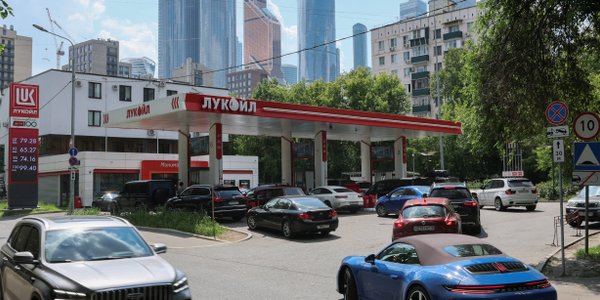
Russia, a major oil exporter, is grappling with its worst-ever fuel crisis, triggered by Ukrainian attacks on critical infrastructure and exacerbated by its own oil exports. Gasoline stations are experiencing shortages, leading to unprecedented scenes of farmers driving combines to fuel pumps and drivers facing hours-long queues, sometimes resulting in altercations.
The Kremlin appears unprepared for the scale of the crisis, which has paralyzed public services and raised concerns about the upcoming harvest. While Russia has targeted Ukraine's energy infrastructure since 2022, the current situation directly impacts millions of its own citizens. Authorities have banned farmers from filling canisters and supplying dedicated stations, forcing them to seek fuel at regular stations, further straining supply.
Reports indicate that drivers are sharing information about operational gas stations and shorter queues, while videos circulating on social media show fights breaking out. The demand for gas conversion kits for vehicles has surged, despite increased prices and bureaucratic hurdles. The governor of Zabaykalsky Krai has declared a state of high alert, with fuel being supplied in "limited quantities" as authorities work to increase supply. The escalating chaos has fueled fears within the Kremlin of potential rural unrest.
What wealth. Who can afford this now?
DistantNews Editorial
Originally published by Rzeczpospolita in Polish. Translated, summarized, and contextualized by our editorial team with added local perspective. Read our editorial standards.
More Stories

From Our Blog

What Gets Lost (and Found) When News Is Translated

The Critical Role of Diaspora Media in Global News

What Travellers Should Know About Countries with Restricted Press

A Digital Nomad's Guide to Following Local News

How the Same Story Looks Different in Different Countries
