


Gaming's Past Giants: How Samsung, Hyundai, and LG Shaped South Korea's Early Industry
Translated from Korean, summarized and contextualized by DistantNews.
TLDR
- Major South Korean conglomerates like Samsung, Hyundai, and LG were once active participants in the gaming industry.
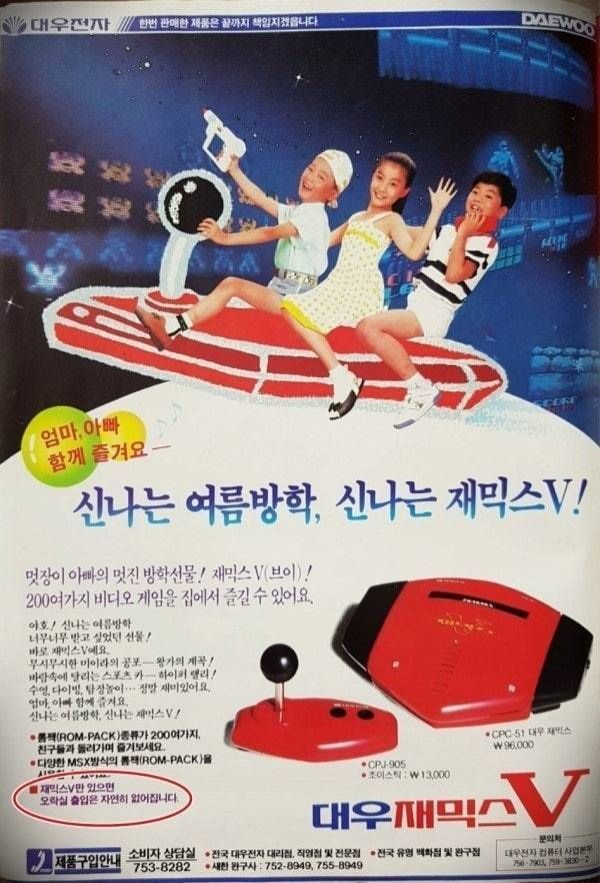
- In the early days (1980s-90s), their involvement focused on hardware distribution, including consoles like the Daewoo Zemix and Hyundai Comboy.
- The late 1990s saw a shift towards software development and publishing, but the IMF crisis led many to withdraw from the gaming sector.
While today's South Korean gaming landscape is dominated by specialized powerhouses like Nexon, NCSoft, Netmarble, and Krafton, a look back at the industry's origins reveals a surprising cast of players: the nation's traditional conglomerates. Companies such as Samsung, Hyundai, and LG, now often perceived as distant from the gaming world, were once deeply involved in various facets of the market, from hardware distribution to software development and online game publishing.
During the nascent stages of the domestic gaming industry in the 1980s and 1990s, these large corporations primarily engaged in hardware distribution. Brands like Daewoo's 'Zemix' and Hyundai's 'Comboy' (a rebranded Nintendo Famicom) and 'Super Comboy' (Super Famicom) were instrumental in bringing gaming consoles to Korean households. Samsung also played a role, distributing Sega consoles under names like 'Gem Boy' and 'Super Gem Boy.' This era laid the groundwork for a gaming culture, albeit one centered on imported hardware.
The mid-to-late 1990s witnessed a more direct foray into software. As CD-ROMs and Windows environments became widespread, companies like LG Soft, Samsung, SKC, and Ssangyong Information & Communications began developing and publishing games, often integrating them with educational software or multimedia projects. LG Soft's 'StoneX' and SKC Softland's distribution of titles like 'Warcraft' and 'Diablo' exemplify this period. However, the Asian financial crisis of 1997-98 dealt a significant blow, forcing many of these conglomerates to scale back or exit the gaming business altogether, leading to the consolidation of talent and intellectual property within specialized gaming firms.
Despite the withdrawal of many traditional giants, the legacy of their early involvement is undeniable. The shift towards online gaming in the 2000s saw new players emerge, but the foundational work done by these conglomerates in popularizing gaming hardware and establishing distribution channels was crucial. Even today, companies like Samsung continue to engage with gamers through gaming monitors and smartphones, while Hyundai has recently participated in events like Gamescom, showcasing their continued, albeit different, connection to the industry. This historical perspective, often overlooked in discussions focused solely on current market leaders, highlights the diverse and evolving nature of South Korea's dynamic gaming industry.
DistantNews Editorial
Originally published by Dong-A Ilbo in Korean. Translated, summarized, and contextualized by our editorial team with added local perspective. Read our editorial standards.
More Stories



From Our Blog

What Gets Lost (and Found) When News Is Translated

The Critical Role of Diaspora Media in Global News

What Travellers Should Know About Countries with Restricted Press

A Digital Nomad's Guide to Following Local News

How the Same Story Looks Different in Different Countries
