


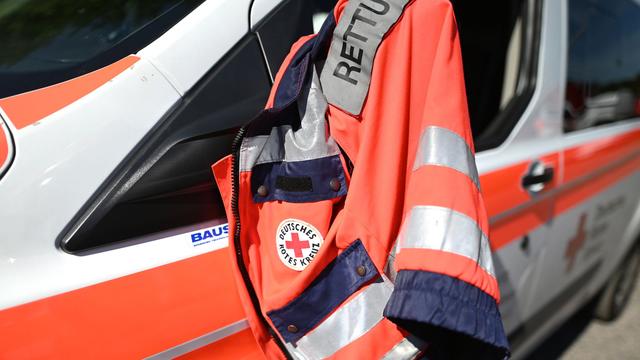
German emergency services warn of strain from non-urgent calls
Translated from German, summarized and contextualized by DistantNews.
At a glance
News
From a news agency
New plan
- Emergency services in Baden-Württemberg report a continuous rise in ambulance call-outs, straining resources.
- Many calls are for non-urgent issues like abdominal pain or cold symptoms, often due to a lack of social support or access to primary care.
- The increasing workload leads to staff burnout and attrition, with emergency responders seeking employment outside the sector.
Emergency services in the German state of Baden-Württemberg are facing a growing crisis as ambulance call-outs continue to rise, placing immense pressure on the healthcare system. While the number of emergency doctor call-outs is decreasing and pure patient transports are stable, the deployment of ambulances, vehicles equipped as mobile intensive care units, has increased, driving up the overall number of emergency responses.
The number of deployments with rescue ambulances is increasing, and thus the total number of all deployments.
According to the Medical Service of Baden-Württemberg, the state saw approximately 1.17 million ambulance deployments in 2024, a slight increase from the previous year. This surge is attributed to a variety of factors, including an increasing number of calls for non-urgent medical issues such as abdominal pain or cold symptoms, which later prove to be harmless. Daniel Hierholzer, head of the Malteser emergency services in Freiburg, noted that elevated blood pressure readings, for instance, do not always warrant an ambulance dispatch.
If someone measures an elevated blood pressure, that is not necessarily a reason to call the ambulance.
The situation is exacerbated by a decline in self-sufficiency and social support networks within the population. Udo Bangerter, a spokesperson for the DRK state association, explained that patients find it increasingly difficult to receive help from family members or neighbors. The shortage of general practitioners, some of whom no longer make house calls, also contributes, pushing individuals to contact emergency services when they cannot reach a doctor. "People who feel in distress then call the control center, which has to send someone," Hierholzer stated, adding that these calls increasingly burden the system.
People who feel in distress then call the control center, which has to send someone. This leads to deployments that increasingly burden the system.
This escalating demand is taking a significant toll on emergency personnel. The constant high volume of calls, coupled with long working hours, is leading to burnout and staff departures. "The sheer volume of calls also leads to staff leaving, because the duration, the quantity, and the associated deployment time are very high," said a Malteser spokesperson. Many emergency responders are seeking employment outside the ambulance service, further straining the remaining workforce and raising concerns about the long-term sustainability of emergency medical care in the region.
The sheer volume of calls also leads to staff leaving, because the duration, the quantity, and the associated deployment time are very high.
DistantNews Editorial
Originally published by Die Zeit in German. Translated, summarized, and contextualized by our editorial team with added local perspective. Read our editorial standards.
More Stories


From Our Blog

What Gets Lost (and Found) When News Is Translated

How the Same Story Looks Different in Different Countries

The Critical Role of Diaspora Media in Global News

What Travellers Should Know About Countries with Restricted Press

A Digital Nomad's Guide to Following Local News
