


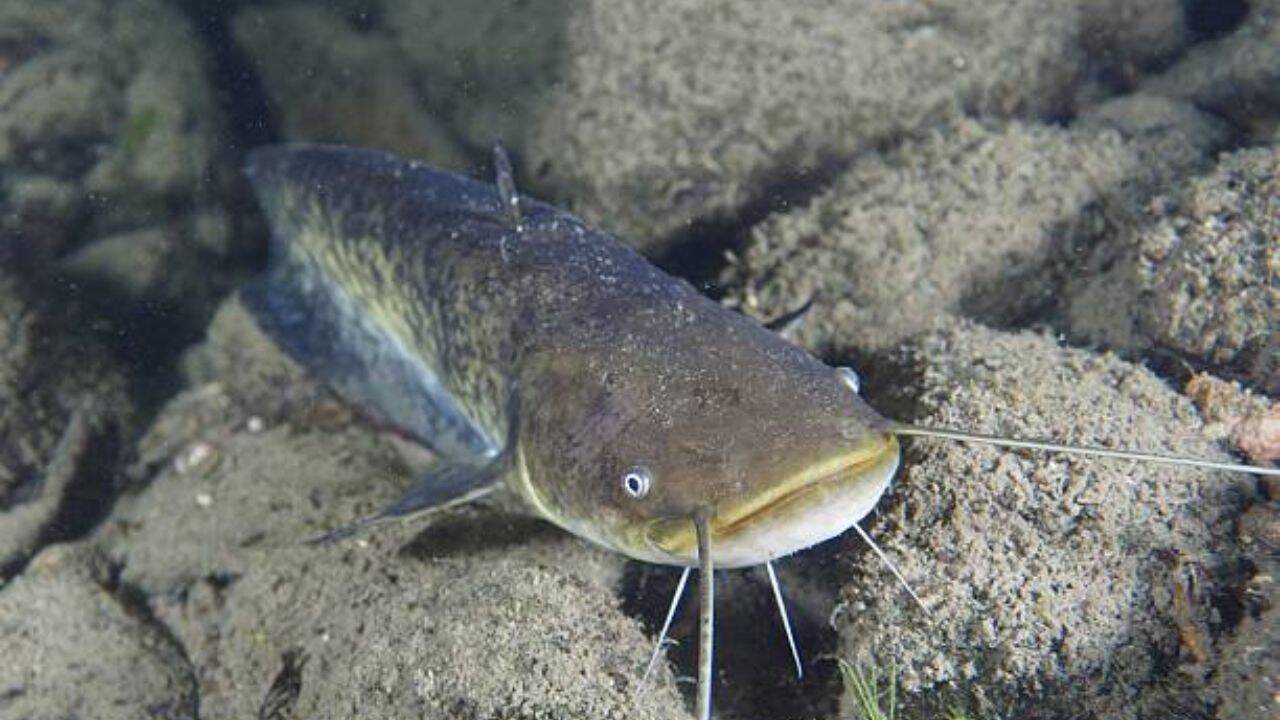
German fisherman's 1974 introduction of Wels catfish now threatens Spanish wildlife
Translated from English, summarized and contextualized by DistantNews.
At a glance
News
Sources not specified
Context piece
- A German fisherman introduced Wels catfish to Spain's Ebro River in 1974 to create a sport fishery.
- The fish have since become a dominant predator, threatening native wildlife and endangered species.
- Experts consider eradication virtually impossible due to the catfish's size, reproduction rate, and the river system's complexity.
What began as a well-intentioned effort to boost sport fishing in Spain has evolved into a significant ecological problem. In 1974, German biologist and fisherman Roland Lorkowsky released thousands of juvenile Wels catfish into the Ebro River, aiming to establish a premier sport fishery with one of Europe's largest freshwater fish.
Fifty years later, the Wels catfish, native to Europe, has become a formidable predator across many Spanish waterways. These fish can grow over 8 feet long and weigh more than 440 pounds, consuming a substantial portion of their body weight daily. While not problematic in their native habitat where populations are managed, in Spain, they have become an ecological threat, particularly to endangered species like Allis shad and Atlantic salmon, whose populations are already struggling.
Carlos Fernández Delgado, a zoology professor at the University of Córdoba, described the Wels catfish as an "ecological time bomb." Native freshwater ecosystems in Spain did not evolve to withstand such a large predator, leaving native fish vulnerable to predation, compounded by existing pressures like pollution and habitat loss.
Despite Spanish laws prohibiting the release or transport of the species, wildlife managers now view eradication as virtually impossible. The sheer size, rapid reproduction, and the intricate nature of river systems make complete removal an insurmountable challenge. Scientists also warn that climate change, with its warming temperatures and altered precipitation patterns, could further favor the spread of the Wels catfish, creating even more conducive conditions for this invasive species.
ecological time bomb
DistantNews Editorial
Originally published by Times of India in English. Translated, summarized, and contextualized by our editorial team with added local perspective. Read our editorial standards.
More Stories


From Our Blog

What Press Freedom Means for the News You Read

What Gets Lost (and Found) When News Is Translated

The Critical Role of Diaspora Media in Global News

What Travellers Should Know About Countries with Restricted Press

A Digital Nomad's Guide to Following Local News
