

German Historian: Russia Weaponizes History, Citing Katyn Massacre Manipulation
Translated from Polish, summarized and contextualized by DistantNews.
At a glance
Analysis
Named sources
Context piece
- A German historian argues Russia weaponizes history, citing Orwell's "1984" principle: "Whoever controls the past controls the future."
- Russia manipulates historical narratives, such as the Katyn massacre, to serve its imperial ambitions and justify current actions like the war in Ukraine.
- This includes promoting exhibitions that portray Poles as historically Russophobic and downplay Soviet responsibility for the Katyn killings.
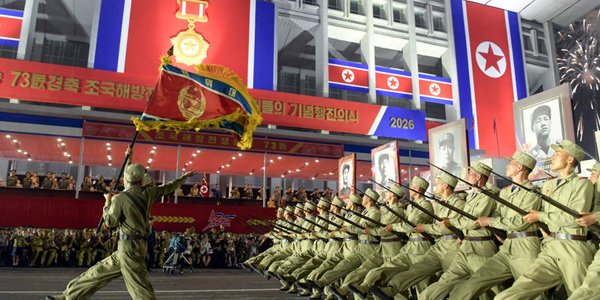
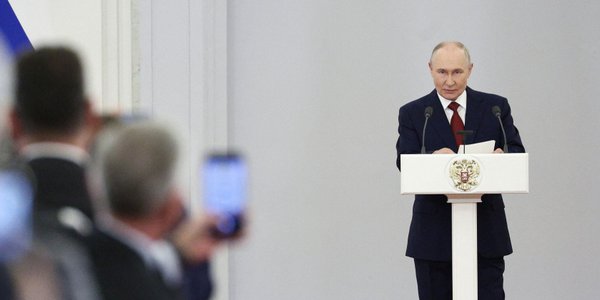
German historian Klaus Gestwa contends that Russia, under Vladimir Putin, employs history as a weapon to rebuild Russian imperialism, echoing George Orwell's dictum from "1984": "Whoever controls the past controls the future." Gestwa highlights Russia's "insidious manipulation" of history, particularly concerning the Katyn massacre, as a prime example. He notes that Putin's early presidential decisions, including reinstating the Soviet anthem from Stalin's era, signaled a focus on national unity and power, using historical narratives to consolidate support and project aggression.
Gestwa observes that the war in Ukraine is framed as a continuation of the Great Patriotic War, aimed at defeating "fascism in Ukraine." This narrative is amplified by the Orthodox Church, which declares it a "holy war" against "Western Satanism." The historian points to the indoctrination through historical myths beginning in schools, with Putin asserting that "teachers, not commanders, win wars." This approach militarizes society and serves the Kremlin's goal of discrediting other nations and circumventing international law.
As an illustration of this historical manipulation, Gestwa cites the Russian Military Historical Society's exhibition, "Ten Centuries of Polish Russophobia," which opened in April 2026 at the Katyn memorial site. This exhibition, held where Soviet secret police executed 4,400 Polish officers in 1940, aims to portray Poles as inherently anti-Russian. Gestwa explains that this narrative attempts to shift blame, transforming victims into perpetrators and obscuring Soviet responsibility for the Stalinist terror against the Polish population. Putin, he suggests, sees himself as fulfilling a historical mission to "correct" perceived historical grievances.
Siła państwa i jedność społeczeństwa stanowiły stałe punkty rosyjskiej polityki, która posługuje się historią jak bronią, żeby zjednoczyć Rosjan wokół Putina i sprowadzić na Europę wojnę i agresję
DistantNews Editorial
Originally published by Rzeczpospolita in Polish. Translated, summarized, and contextualized by our editorial team with added local perspective. Read our editorial standards.
More Stories


From Our Blog

What Gets Lost (and Found) When News Is Translated

The Critical Role of Diaspora Media in Global News

What Travellers Should Know About Countries with Restricted Press

A Digital Nomad's Guide to Following Local News

How the Same Story Looks Different in Different Countries
