


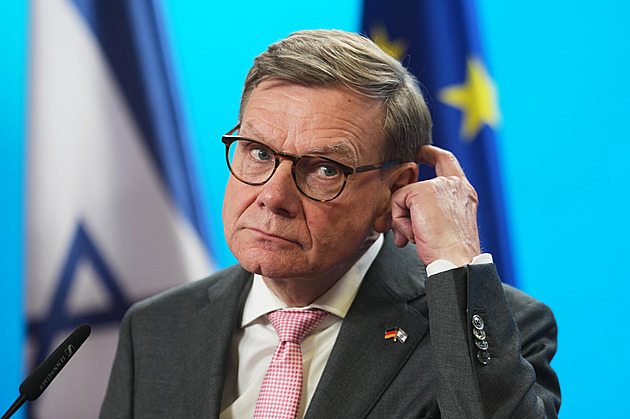
German Minister Calls Unanimous EU Vote an 'Existential Threat'
Translated from Czech, summarized and contextualized by DistantNews.
TLDR
- A German minister described a unanimous EU vote as an "existential threat."
- The article appears to be behind a paywall or requires user consent for ad display, with options for ad-free subscriptions or personalized ads based on user data.
- The content discusses the implications of the EU vote and the user's choices regarding data privacy and advertising.
The headline itself, quoting a German minister calling a unanimous EU vote an "existential threat," immediately signals the gravity and potential repercussions of this decision within the European Union. This framing suggests that the vote, despite its unanimous nature, has stirred significant concern among key member states like Germany, indicating deep-seated disagreements or fears about its implications.
However, the bulk of the provided text is not about the EU vote itself but rather focuses on the website's (iDNES.cz) advertising and data privacy policies. It outlines the user's choices: either pay for an ad-free experience or consent to personalized advertising, which involves the use of cookies and tracking user behavior across the internet. This technical and commercial aspect seems to overshadow the political news it's meant to introduce.
From a Czech perspective, this juxtaposition is telling. It reflects the reality of online media consumption where the business model often dictates the user experience. While the article ostensibly reports on a significant EU political development, the immediate user interface forces a decision about data and advertising, potentially distracting from the core news. The mention of 125 advertising partners further emphasizes the complex ecosystem of online data collection.
The article's structure, leading with a dramatic political statement but then delving into cookie consent and subscription models, might be interpreted as a commentary on how news is delivered and monetized in the digital age. The "existential threat" mentioned by the German minister could, in a broader sense, even be seen as mirroring the challenges faced by traditional media outlets in navigating the digital landscape and maintaining user trust while balancing commercial interests.
DistantNews Editorial
Originally published by iDNES in Czech. Translated, summarized, and contextualized by our editorial team with added local perspective. Read our editorial standards.
More Stories


From Our Blog

What Gets Lost (and Found) When News Is Translated

The Critical Role of Diaspora Media in Global News

What Travellers Should Know About Countries with Restricted Press

A Digital Nomad's Guide to Following Local News

How the Same Story Looks Different in Different Countries
