

Ghana begins wildlife closed season, warns against hunting
Translated from English, summarized and contextualized by DistantNews.
At a glance
News
Named sources
New plan
- Ghana's Wildlife Division has begun its annual closed season for wildlife, running from August 1 to December 1, 2026.
- The public is warned against hunting, capturing, or killing wild animals during this period, with offenders facing prosecution, fines, or imprisonment.
- The measure aims to allow wildlife populations to breed and replenish, combating threats like poaching and habitat destruction to ensure ecosystem health and future resources.
Ghana's Wildlife Division has officially commenced its annual closed season, a critical four-month period from August 1 to December 1, 2026, designed to protect the nation's wildlife resources. During this time, citizens are strictly advised against hunting, capturing, or killing any wild animals, a directive rooted in the Wildlife Conservation Regulations of 1971.
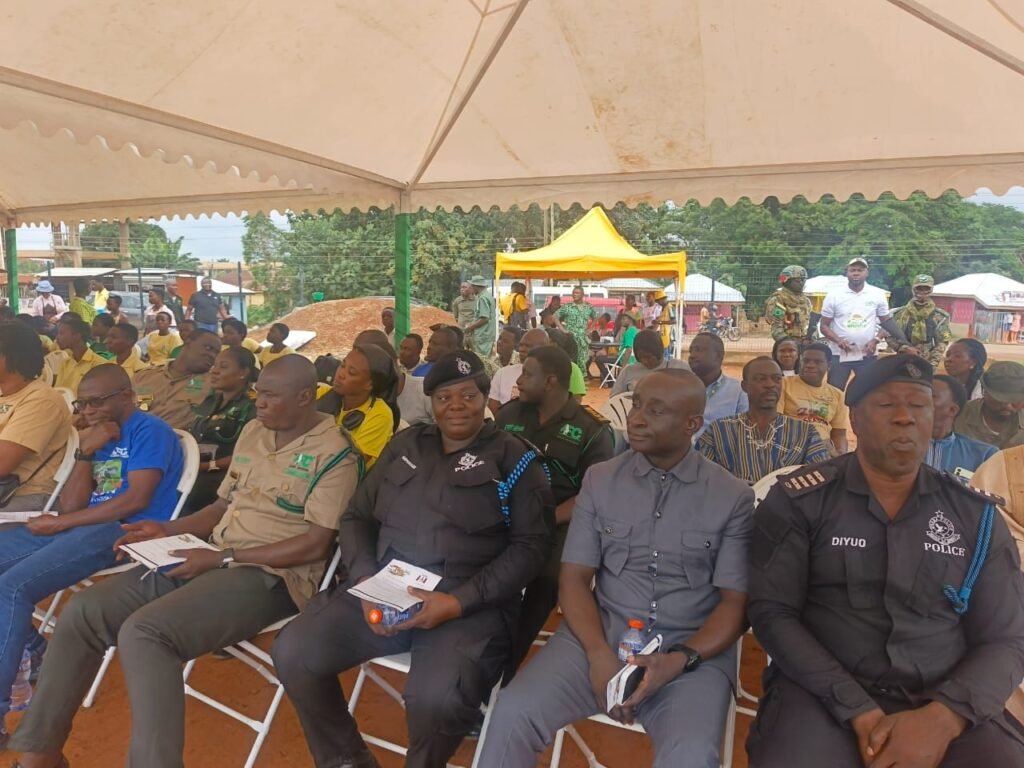
Violators face significant penalties, including fines ranging from 250 to 500 penalty units, a prison sentence of at least one year, or potentially both. Dr. Joseph Boakye, Executive Director of the Wildlife Division, emphasized the importance of this annual exercise during its launch in Nkurakan, Eastern Region. He stated that the closed season is essential for allowing wildlife to breed, nurture their young, and replenish declining numbers, thereby preventing the consumption of future generations of wildlife.
If we fail to observe the closed season, we will be consuming both the present and future generations of wildlife, leaving nothing for those who come after us.
The initiative, themed ‘Protect Wildlife, Preserve Life,’ brought together various stakeholders, including traditional leaders, educators, and security personnel. Dr. Boakye highlighted that strict compliance is vital for preventing local species extinction, maintaining ecological balance, and sustaining the ecosystem services that many communities rely on. He also voiced concerns over escalating threats such as poaching, illegal bushmeat trade, bushfires, unsustainable farming, and illegal mining and logging.
Dr. Hugh Brown, Chief Executive of the Forestry Commission, added that wildlife conservation extends beyond protecting animals to safeguarding essential ecosystems. He noted that despite Ghana's rich biodiversity, threats like habitat destruction, illegal trade, pollution, climate change, and unsustainable exploitation continue to endanger wildlife. He urged hunters, traders, and other involved parties to adhere to the closed season regulations to protect these vital natural resources.
wildlife conservation was not only about protecting animals but also safeguarding ecosystems essential for human survival.
DistantNews Editorial
Originally published by Ghanaian Times in English. Translated, summarized, and contextualized by our editorial team with added local perspective. Read our editorial standards.
More Stories


From Our Blog

What Gets Lost (and Found) When News Is Translated

The Critical Role of Diaspora Media in Global News

What Travellers Should Know About Countries with Restricted Press

A Digital Nomad's Guide to Following Local News

How the Same Story Looks Different in Different Countries
