


Ghanaian academics urge universities to break silos for national problem-solving
Translated from English, summarized and contextualized by DistantNews.
At a glance
News
Named sources
New plan
- Ghanaian academics are calling for a reform of postgraduate training to focus on practical solutions for national challenges.
- They argue that universities should move beyond traditional thesis writing to address issues like youth unemployment and climate change.
- Proposed reforms include interdisciplinary research clusters, hybrid programs, and stronger collaboration between academia, industry, and communities.
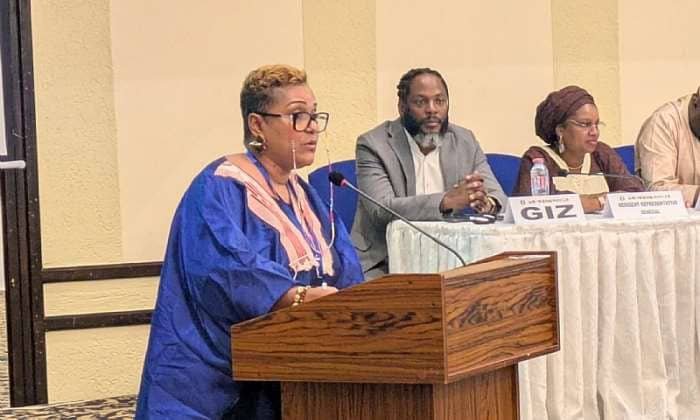
Academics in Ghana are urging a significant shift in postgraduate education, advocating for a move away from purely theoretical thesis writing towards research that directly addresses the nation's pressing socio-economic issues. This call for reform was a central theme at the third Postgraduate Research Conference of the University of Skills Training and Entrepreneurial Development (USTED).
Keynote speaker Professor Ellis Owusu-Dabo and Vice-Chancellor Professor Frederick Kwaku Sarfo emphasized the critical need for higher education institutions to break down disciplinary barriers. They highlighted that tackling complex problems such as youth unemployment, the impacts of climate change, and economic instability requires an interdisciplinary approach. The conference theme, 'Interdisciplinary Research for a Resilient Future: The Contribution of Postgraduate Studies,' underscored this focus.
Although universities continued to produce highly specialised graduates, sub-Saharan Africa still lacked researchers capable of designing and implementing solutions to national challenges.
Professor Owusu-Dabo, a former Pro Vice-Chancellor at Kwame Nkrumah University of Science and Technology, noted a persistent gap in sub-Saharan Africa between the specialized graduates universities produce and the practical problem-solvers needed for national development. He proposed structural reforms, including hybrid postgraduate programs that blend technical knowledge with research, teaching, and entrepreneurial skills. He also suggested diversifying assessment methods beyond traditional theses to include practical outputs like prototypes and policy briefs.
Further recommendations included fostering stronger collaborations between universities, industry, and communities through co-supervision and cross-disciplinary arrangements. The establishment of interdisciplinary research clusters focused on national priorities like climate resilience and digital transformation was also encouraged. Additionally, academics stressed the importance of integrating research communication and knowledge translation into postgraduate training, enabling graduates to effectively share their findings with diverse audiences. The call also extended to government for dedicated funding for applied research.
They mentioned that such a shift was critical to tackling pressing issues such as youth unemployment, climate change and economic pressures.
DistantNews Editorial
Originally published by Ghanaian Times in English. Translated, summarized, and contextualized by our editorial team with added local perspective. Read our editorial standards.
More Stories


From Our Blog

What Gets Lost (and Found) When News Is Translated

The Critical Role of Diaspora Media in Global News

What Travellers Should Know About Countries with Restricted Press

A Digital Nomad's Guide to Following Local News

How the Same Story Looks Different in Different Countries
