


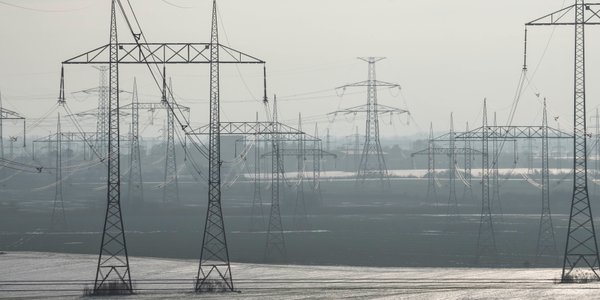
Global Electricity Demand Climbs Despite High Energy Prices
Translated from Polish, summarized and contextualized by DistantNews.
At a glance
News
Sources not specified
Context piece
- Global electricity demand continues to rise despite record high energy prices, driven by factors like data center growth and electromobility.
- Emerging economies like Bangladesh and Pakistan are more vulnerable to high energy prices, leading to reduced fuel consumption and electricity use.
- Renewable energy sources and nuclear power are expected to play a role in meeting future electricity demand, alongside industrial growth and electric vehicle adoption.
Global electricity demand is on an upward trajectory, defying record-high energy prices fueled by geopolitical instability and the conflict in the Middle East. While some regions have implemented measures to curb consumption, the overall global demand is projected to increase from 28.6 thousand TWh in 2025 to 30.7 thousand TWh next year.
Major economies like China and India are experiencing accelerated demand growth, driven by industrial expansion and the increasing adoption of electric vehicles. China's demand is expected to rise to 5.5% this year, up from 5.2% last year, while India anticipates a 7% increase. Developed economies such as the United States and the European Union are also forecast to see a solid 2% rise in demand.
However, emerging economies, particularly those reliant on liquefied natural gas imports like Bangladesh and Pakistan, are facing more severe impacts from the energy crisis. These nations are more sensitive to price fluctuations and are taking steps to reduce fuel consumption, which in turn lowers electricity usage. Factories in Bangladesh have reportedly reduced or halted production, and local authorities are emphasizing investments in renewable energy and domestic gas extraction. Pakistan has already implemented a four-day work week and encouraged online meetings to conserve energy.
The industrial sector, especially in Asia, remains a significant energy consumer. Data centers are also emerging as major electricity users, with their demand increasing by 17% last year and projected to double by 2030. This rapid growth has led to local resistance in some areas, such as New York, where a moratorium on new data center construction has been imposed due to concerns over rising energy prices, water consumption, and strain on local grids. The increasing popularity of electric vehicles further contributes to the rising electricity demand.
DistantNews Editorial
Originally published by Rzeczpospolita in Polish. Translated, summarized, and contextualized by our editorial team with added local perspective. Read our editorial standards.
More Stories



From Our Blog

What Gets Lost (and Found) When News Is Translated

The Critical Role of Diaspora Media in Global News

What Travellers Should Know About Countries with Restricted Press

A Digital Nomad's Guide to Following Local News

How the Same Story Looks Different in Different Countries
