



Global Warming: Czech Summers Now as Hot as Mediterranean Coast Once Was
Translated from Latvian, summarized and contextualized by DistantNews.
At a glance
News
Sources not specified
Context piece
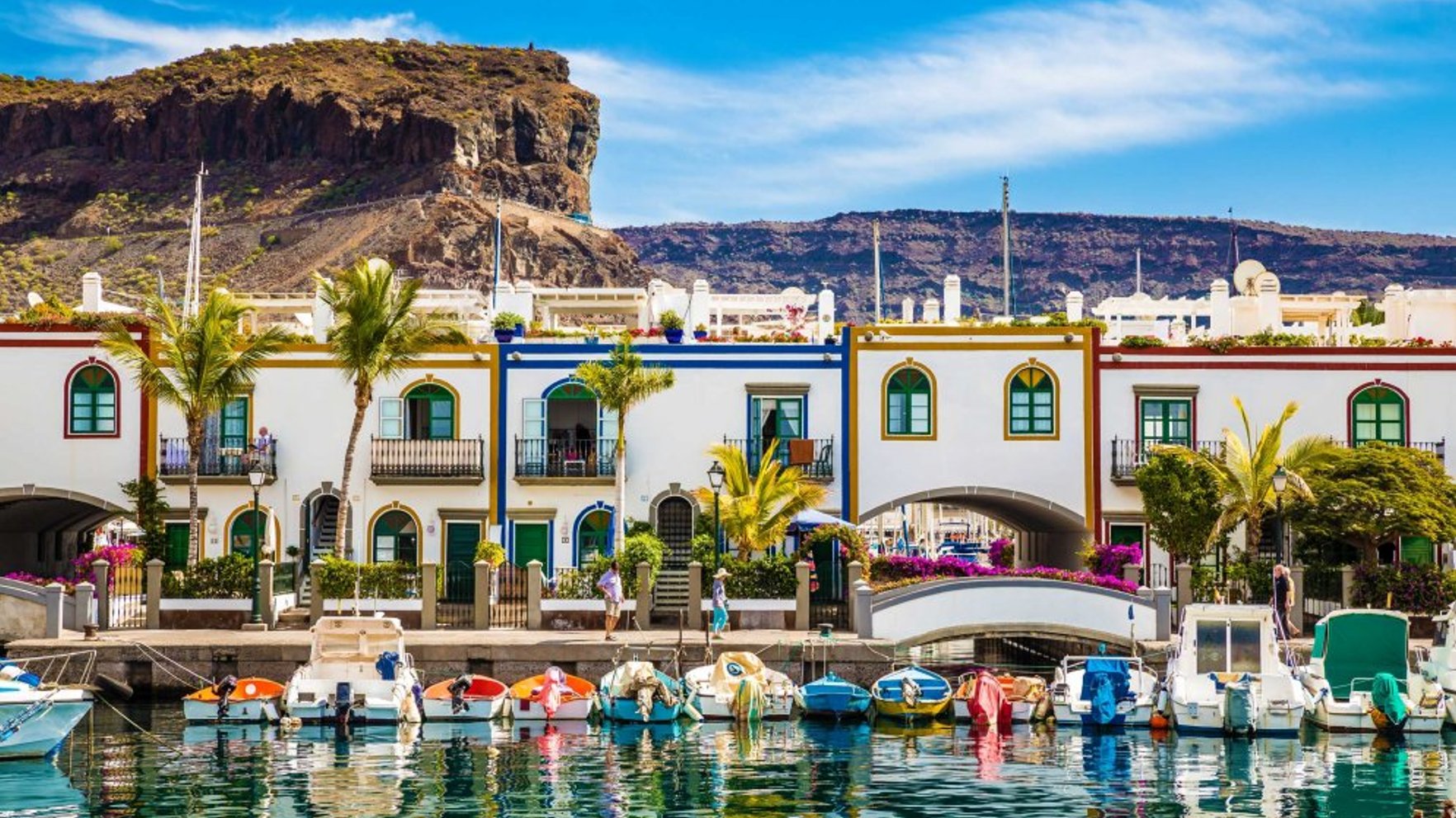
- Czech summers are now as hot as the Mediterranean coast used to be in the latter half of the 20th century, according to climate researchers.
- The Strážnice meteorological station recorded 29 tropical days (above 30°C) by mid-July this year, with a record high of 39.2°C in late June.
- Long-term data shows Strážnice's summer climate now resembles that of Mediterranean cities like Valencia and Hvar from 1961-1990, indicating significant warming trends.
Summers in the Czech Republic are rapidly warming, reaching temperatures previously characteristic of the Mediterranean coast. Researchers have found that the climate in areas like Strážnice now mirrors that of southern European cities from decades past. This year, the Strážnice meteorological station registered 29 tropical days, with temperatures exceeding 30 degrees Celsius, by the third week of July. The region experienced a new record high of 39.2 degrees Celsius in late June, and the first heatwave lasted for 14 consecutive days.
The long-term data shows that Strážnice's summer climate is now very similar to what it was in several Mediterranean coastal cities in the second half of the last century.
Analysis of long-term meteorological data from 14 European cities reveals striking similarities. Strážnice's current number of tropical days and average summer temperatures are comparable to those recorded in places like Valencia, Spain, and Hvar, Croatia, between 1961 and 1990. In some of those Mediterranean locations, there were even fewer tropical days during that earlier period than Strážnice has experienced this year. While nights in the Mediterranean are still generally warmer, the overall summer temperatures have become surprisingly similar.
The pace of climate change there is not faster than elsewhere in the country.
Climate researcher Pavel Zahradníček explained that while Strážnice is one of the hottest regions in the Czech Republic outside major urban heat islands, the pace of climate change is not unique to the area. He noted that temperatures are rising fastest in and around Prague, where urbanization and the urban heat island effect play a significant role. The comparison highlights how global warming is altering regional climates, bringing previously distant weather patterns closer to home.
Temperatures are rising fastest in Prague and its surroundings, where urbanization and the so-called urban heat island effect play a significant role.
DistantNews Editorial
Originally published by Delfi Latvia in Latvian. Translated, summarized, and contextualized by our editorial team with added local perspective. Read our editorial standards.
More Stories


From Our Blog

What Gets Lost (and Found) When News Is Translated

The Critical Role of Diaspora Media in Global News

What Travellers Should Know About Countries with Restricted Press

A Digital Nomad's Guide to Following Local News

How the Same Story Looks Different in Different Countries
