


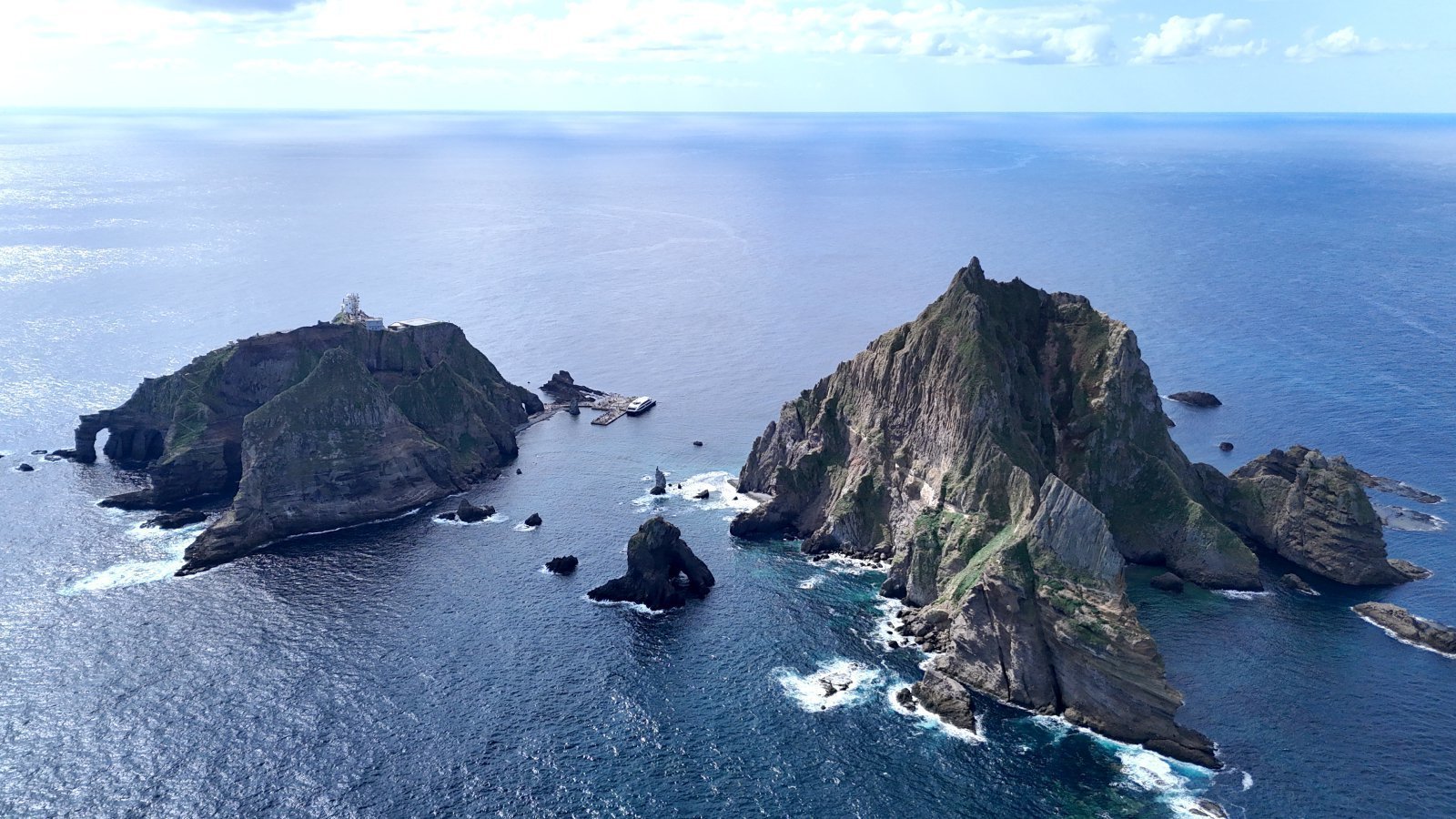
Google Translate Renders 'Dokdo' as 'Takeshima,' 'Kimchi' as 'Pao Cai'
Translated from Korean, summarized and contextualized by DistantNews.
TLDR
- Google Translate incorrectly renders the Korean island 'Dokdo' as the Japanese name 'Takeshima'.
- The translation service also incorrectly translates 'Kimchi' into Chinese as 'Pao Cai', despite official Korean guidelines for 'Xinqi'.
- These errors follow previous corrections made by Google Maps for Korean geographical names, indicating a need for continued advocacy.
At Dong-A Ilbo, we are deeply concerned by the persistent translation errors concerning Korean cultural and geographical identifiers on major global platforms like Google Translate. The recent discovery that 'Dokdo' is translated as 'Takeshima'—a name Japan uses in its baseless territorial claims—is not merely a technical glitch but an affront to our national sovereignty and historical truth. This is particularly galling given that international productions, such as a recent Netflix variety show, have correctly labeled Dokdo.
Google Translate translates 'Dokdo' not as '독도' but as 'Takeshima', which is the name Japan is unilaterally claiming.
Furthermore, the continued mistranslation of 'Kimchi' as 'Pao Cai' in Chinese, despite the South Korean government's official designation of 'Xinqi' (辛奇) in 2021, demonstrates a troubling disregard for our cultural heritage. Kimchi and Pao Cai are distinct culinary traditions, and conflating them erases Korea's unique identity. This issue has been a long-standing point of contention, and it is disheartening to see it persist on a platform used by millions worldwide.
When 'Kimchi' is translated into Chinese, it still results in 'Pao Cai', and Kimchi and Pao Cai are clearly different foods.
While we acknowledge Google's past corrections to errors on Google Maps, such as the mislabeling of the Gyeokryeolbi Islands and the incorrect search results for 'Dokdo Airport,' these isolated fixes are insufficient. The recurring nature of these translation blunders suggests a systemic issue that requires more than just passive correction. We, at Dong-A Ilbo, believe that sustained public pressure and vocal advocacy are crucial to compelling Google to rectify these errors permanently. Our national symbols and cultural assets deserve accurate representation on the global stage, and we will continue to champion this cause.
The translation errors for Dokdo and Kimchi must also be corrected through continuous protest and public discussion.
DistantNews Editorial
Originally published by Dong-A Ilbo in Korean. Translated, summarized, and contextualized by our editorial team with added local perspective. Read our editorial standards.
More Stories



From Our Blog

What Gets Lost (and Found) When News Is Translated

The Critical Role of Diaspora Media in Global News

What Travellers Should Know About Countries with Restricted Press

A Digital Nomad's Guide to Following Local News

How the Same Story Looks Different in Different Countries
