



Great Britain: Labour Party suffers heavy losses in British local elections
Translated from German, summarized and contextualized by DistantNews.
TLDR
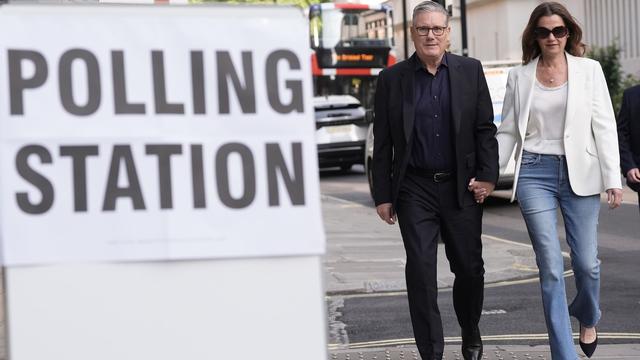
- The Labour Party, led by Prime Minister Keir Starmer, suffered significant losses in local and regional elections across England, Scotland, and Wales.
- Nigel Farage's populist Reform UK party was the main beneficiary, gaining over 200 seats in English local councils.
- The results, considered a key test before the 2029 general election, indicate a potential shift towards a multi-party democracy in the UK.
The United Kingdom's political landscape appears to be undergoing a significant shift following the recent local and regional elections. The governing Labour Party, under Prime Minister Keir Starmer, has experienced substantial setbacks in England, Scotland, and Wales, signaling a challenging period for the party just two years after securing a decisive victory.
Notably, Nigel Farage's Reform UK party emerged as a major winner, capitalizing on voter dissatisfaction and securing over 200 seats in English local councils. This performance surpasses Farage's own expectations and suggests a growing appetite for his party's anti-immigration platform. Labour's losses were particularly pronounced in traditional strongholds in central and northern England, as well as parts of London, intensifying the pressure on Starmer's leadership.
Analysts interpret these election results as evidence of a fracturing traditional two-party system, potentially paving the way for a more fragmented, multi-party democracy. With elections held in over 136 local councils in England and regional parliaments in Scotland and Wales, these contests serve as a crucial barometer of public sentiment ahead of the next general election scheduled for 2029. The outcomes underscore the evolving dynamics of British politics and the challenges facing established parties in adapting to new voter priorities.
The previous performance far exceeds my expectations and represents a historic change in British politics.
DistantNews Editorial
Originally published by Die Zeit in German. Translated, summarized, and contextualized by our editorial team with added local perspective. Read our editorial standards.
More Stories

From Our Blog

What Gets Lost (and Found) When News Is Translated

How the Same Story Looks Different in Different Countries

The Critical Role of Diaspora Media in Global News

What Travellers Should Know About Countries with Restricted Press

A Digital Nomad's Guide to Following Local News
