


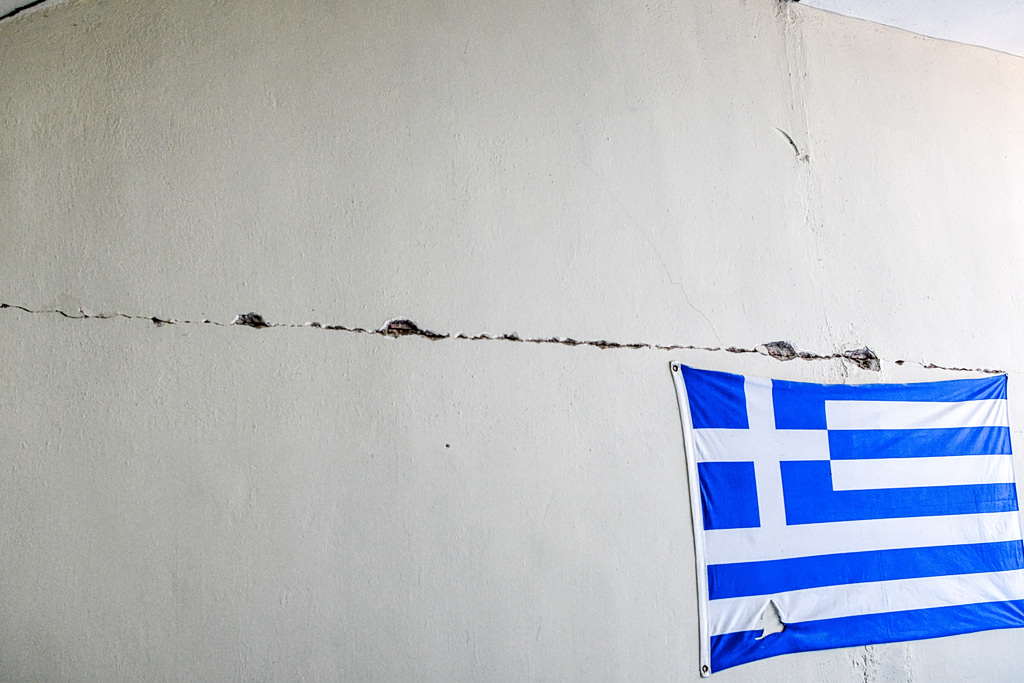
Greece's New Seismic Map: Stricter Design Standards for Enhanced Safety
Translated from Greek, summarized and contextualized by DistantNews.
TLDR
- Greece is proposing significant changes to its seismic design standards based on a new seismic hazard map developed by the Aristotle University of Thessaloniki (AUTH).
- The updated map, adhering to the revised Eurocode 8, divides Greece into five seismic zones instead of three, allowing for more detailed risk assessment.
- These stricter specifications aim to enhance structural safety and protect lives, focusing on preventing building collapse rather than eliminating all damage.
Greece, a country acutely aware of its seismic vulnerability, is set to implement a new seismic hazard map that promises to significantly bolster the safety of its built environment. Developed by the Research Unit of Soil Dynamics and Geotechnical Earthquake Engineering at the Aristotle University of Thessaloniki (AUTH), this map represents a crucial step forward in earthquake preparedness, aligning with the stringent requirements of the revised European seismic design standard, Eurocode 8 (EC8).
Significant changes in seismic design and the reinforcement of structural safety in Greece are proposed through the new Seismic Map of the country, developed by the Research Unit of Soil Dynamics and Geotechnical Earthquake Engineering of the Department of Civil Engineering of AUTH.
The implications of this new map are substantial. By expanding the seismic zones from three to five, it allows for a more granular and accurate assessment of seismic risk across the country, taking into account factors like population density. This detailed approach is vital for effective planning and mitigation strategies. Professor Kyriazis Pitilakis, who led the AUTH team, highlights that the revised EC8, expected to be implemented within two years, incorporates decades of new scientific knowledge, leading to generally stricter regulations that reduce uncertainties and enhance safety levels.
The new specifications are stricter, aiming to enhance citizen safety. The primary goal remains the protection of human life by preventing the collapse of buildings, as designing for zero damage is practically unfeasible.
The primary objective remains the preservation of human life through the prevention of building collapse. While achieving zero damage is practically unfeasible, the updated standards are designed to ensure that buildings can withstand seismic events without catastrophic failure. This focus is critical, especially considering that many existing structures in Greece were built before 1960 or under older, less rigorous regulations. The new map will guide both the design of new constructions and the assessment and reinforcement of existing ones, impacting both private and public buildings.
The Eurocode 8 is in the final phase of revision and is expected to be implemented in two years. It incorporates the new knowledge acquired in recent decades, is generally stricter, reduces uncertainties, and offers increased safety levels.
This initiative reflects Greece's ongoing commitment to seismic safety, leveraging cutting-edge research and European standards. The adoption of the unified European seismic model ESHM20, developed with contributions from leading European research centers including AUTH, underscores the collaborative and science-driven approach being taken. As Greece continues to navigate the complexities of seismic activity, these updated standards provide a more robust framework for building resilience and protecting its citizens.
The new seismic hazard map concerns both the design of new buildings and the inspection and reinforcement of existing structures, most of which were built before 1960 or with older regulations.
DistantNews Editorial
Originally published by Ta Nea in Greek. Translated, summarized, and contextualized by our editorial team with added local perspective. Read our editorial standards.
More Stories


From Our Blog

What Gets Lost (and Found) When News Is Translated

The Critical Role of Diaspora Media in Global News

What Travellers Should Know About Countries with Restricted Press

A Digital Nomad's Guide to Following Local News

How the Same Story Looks Different in Different Countries
