


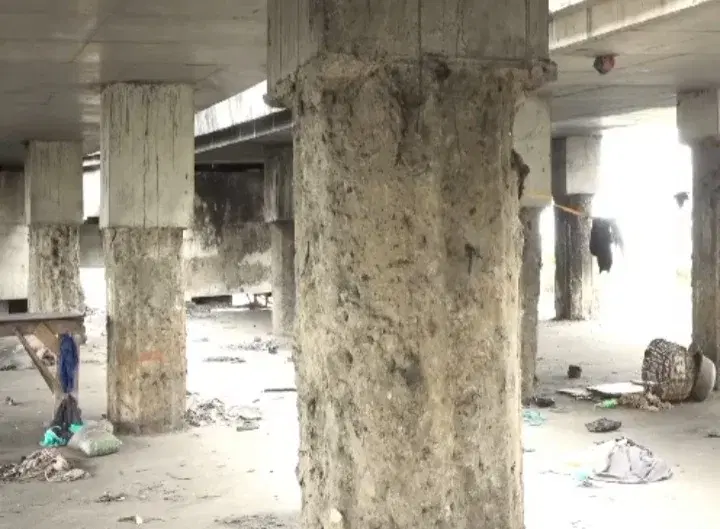
Growing menace of infrastructure vandalism
Summarized and contextualized by DistantNews.
At a glance
News
Named sources
Ongoing story
- Infrastructure vandalism, including the alleged stripping of metal fittings from a Lagos flyover, highlights a growing menace in Nigeria.
- Incidents target bridges, railway lines, and manhole covers, posing risks to public safety and compromising infrastructure integrity.
- Experts call for stricter regulation of scrap metal collection, including registration and licensing, alongside prosecution of offenders and their sponsors to curb the crime.
The recent incident around Alakija, Lagos, where metal fittings were allegedly stripped from a flyover bridge, serves as a stark reminder of Nigeria's escalating infrastructure vandalism. While officials later debunked the specific report, insisting contractors were still working, the episode amplified public concern over the criminal enterprise.
This menace extends beyond Lagos, with critical infrastructure like the Third Mainland Bridge and the Second Niger Bridge repeatedly targeted. Rail tracks and sleepers have been vandalized in Nasarawa and other regions, with authorities recovering significant quantities of stolen materials. Perhaps most insidious is the theft of manhole covers, with Lagos alone reporting over 4,000 stolen or vandalized covers, turning roads into dangerous traps.
Removing structural components compromises infrastructure integrity, while theft of guardrails, road studs, and lighting increases accident risks, especially at night. The consequences range from injuries to motorists and pedestrians falling into uncovered manholes to the broader degradation of public assets.
Experts argue that government must treat this issue with greater severity than petty crime. Recommendations include an immediate ban on unregulated scrap metal collection, replaced by a compulsory registration, training, and licensing regime for legitimate operators. Investigators must focus on identifying and prosecuting the sponsors and off-takers who fuel this illicit trade, potentially seizing assets to remove incentives.
Ultimately, curbing infrastructure vandalism requires a dual approach: robust government protection of public assets and active community participation in reporting offenders. Without addressing the demand for stolen materials, vandals will continue to exploit public resources.
DistantNews Editorial
Originally published by Vanguard. Summarized and contextualized by our editorial team with added local perspective. Read our editorial standards.
More Stories



From Our Blog

How the Same Story Looks Different in Different Countries

What Gets Lost (and Found) When News Is Translated

The Critical Role of Diaspora Media in Global News

What Travellers Should Know About Countries with Restricted Press

A Digital Nomad's Guide to Following Local News
