


Guatemala Achieves Historic Reductions in Child Malnutrition Through Private Initiative
Translated from Spanish, summarized and contextualized by DistantNews.
At a glance
In-depth
Named sources
Outcome reported
- A Guatemalan program launched in 2022 has achieved historic reductions in child malnutrition, decreasing acute malnutrition from 6% to 0.38% and chronic malnutrition by 17 percentage points in two years.
- The initiative, fully funded by Castillo Hermanos with USD$15 million, focuses on addressing the root causes of malnutrition through a comprehensive, family-centered approach.
- External auditors and program leaders highlight significant improvements in child growth, reduced maternal illnesses, and increased household nutritional consumption, exceeding international targets.
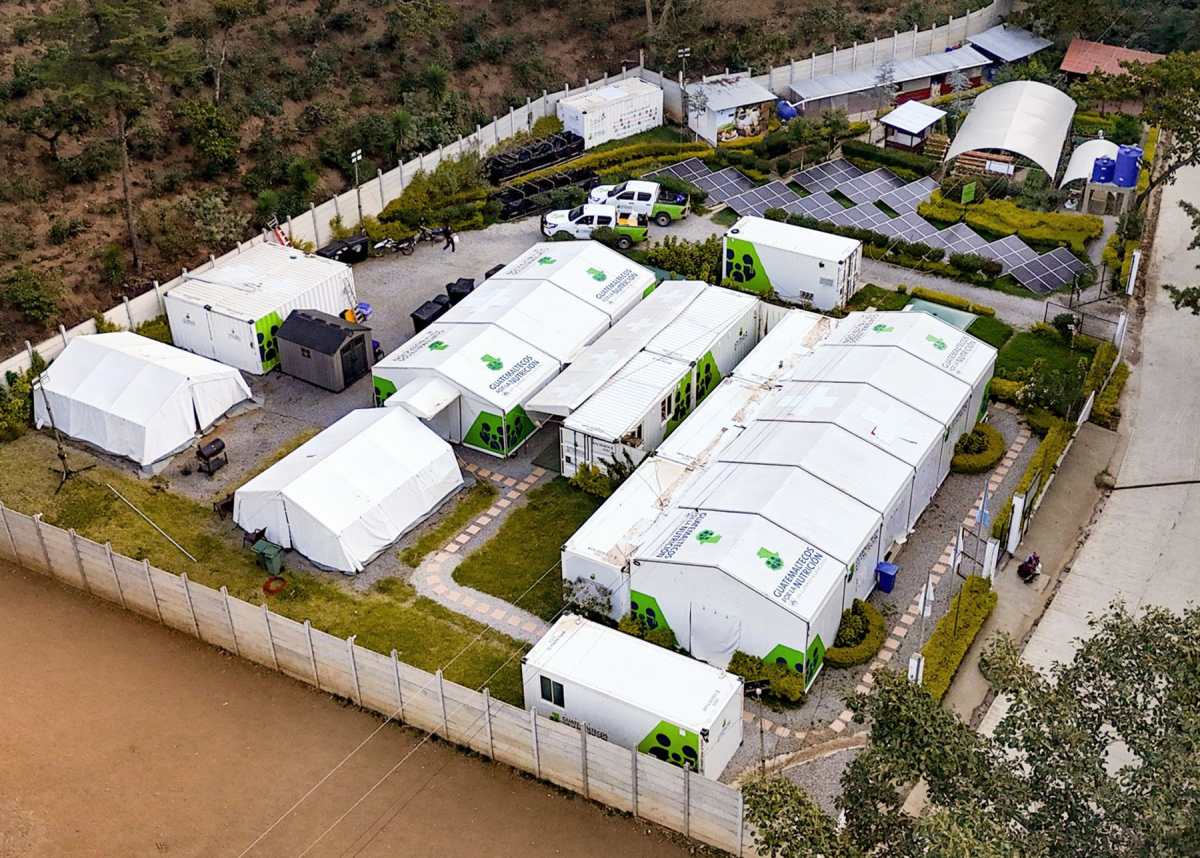
A groundbreaking program in Guatemala, launched in 2022, has achieved remarkable success in combating child malnutrition. The initiative, funded entirely by Castillo Hermanos with an initial investment of USD$15 million, has drastically reduced acute malnutrition from 6% to 0.38% and chronic malnutrition by 17 percentage points over a two-year period in the communities it serves.
From many years ago, Castillo Hermanos has developed initiatives to reduce child malnutrition in Guatemala, and other actors have done so as well. And, even so, the malnutrition rates were not improving significantly. We decided to take on the challenge of creating a program that would solve the problem of malnutrition from the root. Thus, Guatemaltecos por la Nutrición was born, a program created from the heart of Castillo Hermanos, 100% its own authorship and 100% its own financing.
This comprehensive and sustainable model targets the primary drivers of child malnutrition. Dr. Sophia Aguirre, an external auditor and researcher from the Catholic University of America in Washington, noted that over 70% of mothers reported normal growth in their children. Furthermore, recurrent illnesses in pregnant and lactating women decreased by up to 76%, and household nutritional consumption rose by 17%. These results surpass international benchmarks set by UNICEF, WHO, and the World Bank.
Stuardo Sinibaldi, president of Castillo Hermanos, emphasized that the program, named Guatemaltecos por la Nutrición, was conceived and funded entirely by the company. Unlike public-private partnerships or international cooperation, this initiative represents a self-funded commitment rooted in Castillo Hermanos' century-long business history in Guatemala. The program's distinctiveness lies in its holistic approach, prioritizing continuous family support throughout various life stages, recognizing that malnutrition is influenced by factors beyond income, including hygiene education, care practices, and support during pregnancy, postpartum, and early childhood.
The differentiating element of the model is that it prioritizes constant accompaniment to families in their different life stages, since malnutrition is not reduced to economic income, but also to factors such as hygiene education, strengthening of care practices, and support during pregnancy, postpartum, and early childhood.
The program operates through six intervention axes: Primary Health Care, Nutritional Support, Water and Environmental Sanitation, Family Economy Strengthening, Access to Food, and Early Childhood Development. When a malnutrition case is identified, a protocol involving medical and nutritional evaluation, recovery, and home follow-up is implemented until the child's health is restored. Castillo Hermanos aims for this model to be measurable, evaluable, and replicable in other territories, ensuring its impact extends beyond local experience.
The company adopted a holistic, replicable, sustainable, and auditable approach with this initiative, with a concrete goal: that the model not be limited to a local experience, but that it can be measured, evaluated, and replicated in other territories.
DistantNews Editorial
Originally published by Prensa Libre in Spanish. Translated, summarized, and contextualized by our editorial team with added local perspective. Read our editorial standards.
More Stories


From Our Blog

What Gets Lost (and Found) When News Is Translated

The Critical Role of Diaspora Media in Global News

What Travellers Should Know About Countries with Restricted Press

A Digital Nomad's Guide to Following Local News

How the Same Story Looks Different in Different Countries
