


Guatemala's Silent Epidemic: Chronic Kidney Disease Surges
Translated from Spanish, summarized and contextualized by DistantNews.
At a glance
News
Sources not specified
Context piece
- Guatemala faces a significant public health crisis with chronic kidney disease, affecting 64 out of every 100,000 inhabitants.
- The disease, once associated with older adults, now increasingly impacts working-age individuals, straining the national health system.
- Patient numbers have surged dramatically since 2008, with a 585% increase, highlighting a growing and alarming trend.
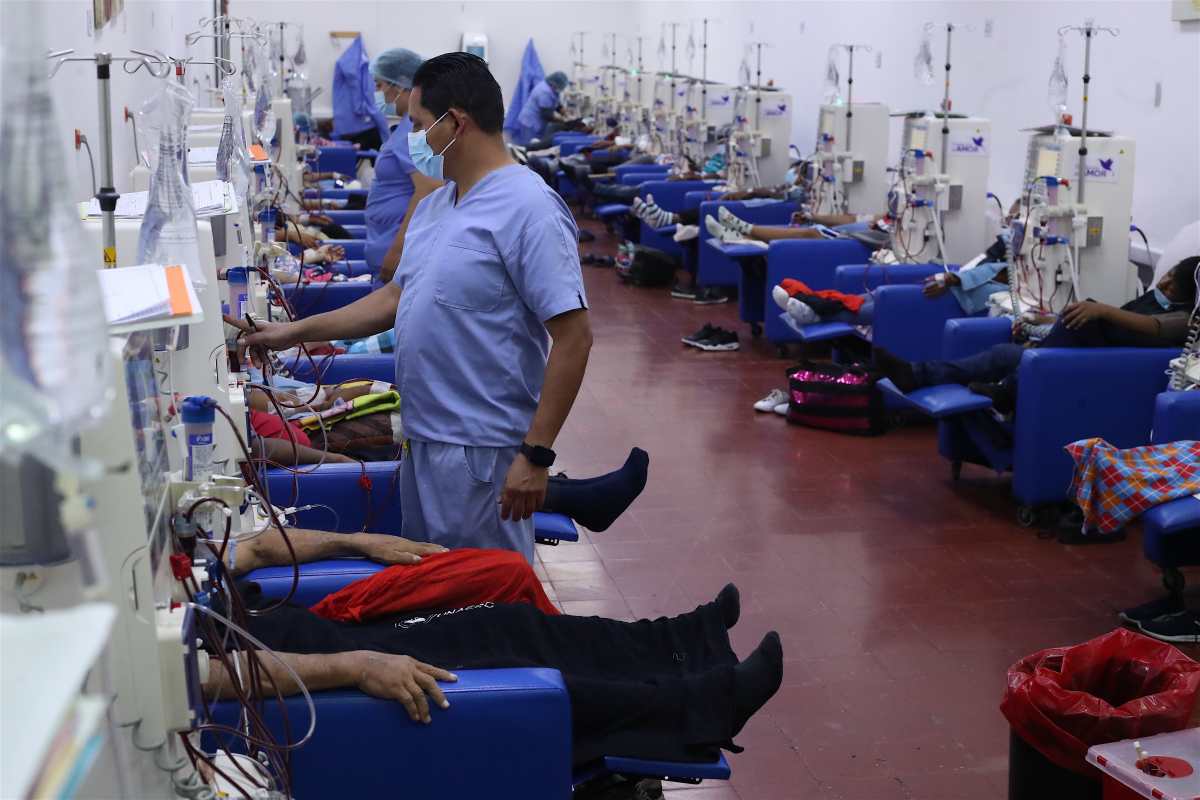
Guatemala is grappling with a silent epidemic of chronic kidney disease, a condition that is increasingly affecting the nation's working-age population. The national rate stands at approximately 64 patients per 100,000 inhabitants, but this figure masks stark regional disparities, with Santa Rosa reporting a staggering 166 cases per 100,000.
I didn't know anything about the disease and didn't know it was that serious.
The burden on the Guatemalan health system is immense, with the National Unit for the Care of Chronic Kidney Patients (Unaerc) currently managing 9,581 active patients. This number represents a dramatic escalation from just 1,630 patients in 2008, indicating a 585% increase over the past 15 years. The disease's insidious nature means symptoms often appear only when significant, irreversible damage has occurred.
Erick Ávila, a 30-year-old diagnosed with the condition, shared his alarming experience. He developed severe chest pain and shortness of breath, followed by widespread swelling that he initially mistook for an allergic reaction. His condition worsened, leading to a collapse and subsequent diagnosis of chronic kidney failure at a private clinic. He was referred to the Guatemalan Social Security Institute (Igss), where he underwent dialysis and received a catheter, only to be told he would need it for life.
It's that you have to live with it for life.
Pedro Dávila, medical director at Unaerc, explained that chronic kidney disease involves irreversible damage to the kidneys, leading to a progressive decline in function. When kidney function drops below 15%, dialysis becomes necessary. Common symptoms like swelling, uncontrolled blood pressure, foamy urine, unexplained anemia, and itching often manifest only in advanced stages, underscoring the disease's silent progression.
It is an established damage to the structure of the kidney that implies a progressive deterioration of its function.
DistantNews Editorial
Originally published by Prensa Libre in Spanish. Translated, summarized, and contextualized by our editorial team with added local perspective. Read our editorial standards.
More Stories



From Our Blog

What Gets Lost (and Found) When News Is Translated

The Critical Role of Diaspora Media in Global News

What Travellers Should Know About Countries with Restricted Press

A Digital Nomad's Guide to Following Local News

How the Same Story Looks Different in Different Countries
