


Up to 20 million insect species: Finding redefines terrestrial biodiversity
Translated from Spanish, summarized and contextualized by DistantNews.
At a glance
News
Named sources
Context piece
- A new study suggests there could be up to 20 million insect species on Earth, significantly higher than the previous estimate of six million.
- The research, led by Cornell University and published in PNAS, used DNA barcoding and statistical methods on tropical insects.
- This finding has profound implications for understanding biodiversity and highlights the potential for many undiscovered species to be declining.
A groundbreaking study, spearheaded by Cornell University and published in the journal PNAS, suggests the number of insect species on Earth may be as high as 20 million, a dramatic increase from the long-held estimate of six million.
This new estimation is based on extensive genetic data from 1.6 million individual tropical insects and a detailed census of a diverse group of parasitoid wasps in Costa Rica's Guanacaste Conservation Area. Scientists employed DNA barcoding, a rapid method for identifying biological species, combined with statistical analysis to revise the lower limit of the global insect species count.
Our results point to a great number of undescribed insects, meaning those that do not yet have a name.
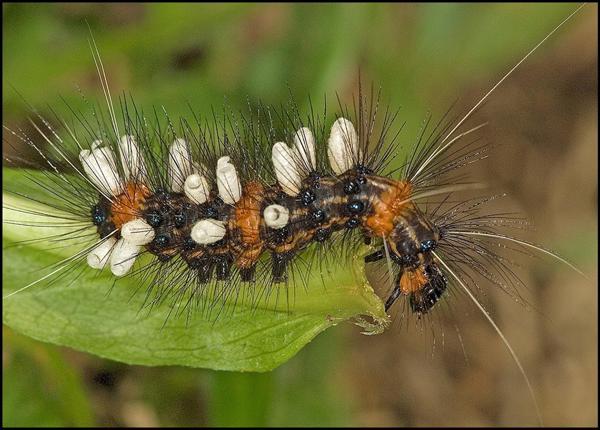
The research team also utilized data from microgastrine wasps, including specimens bred from parasitized caterpillars, to refine estimates of species richness in the region. The study's lead author, Dr. Rodrigo Guzmán, stated that the results point to a vast number of undescribed insects – species that have yet to be formally named and characterized.
This significantly higher estimate carries profound implications for our understanding of Earth's biodiversity and its future. It comes at a time when recent reports have warned of a global insect die-off, often termed the 'insect apocalypse,' driven by human activities. The new findings underscore the urgency of conservation efforts, as many insect species may be declining before they are even discovered.
There could be many species in decline that we have not even discovered.
DistantNews Editorial
Originally published by Prensa Libre in Spanish. Translated, summarized, and contextualized by our editorial team with added local perspective. Read our editorial standards.
More Stories



From Our Blog

What Gets Lost (and Found) When News Is Translated

The Critical Role of Diaspora Media in Global News

What Travellers Should Know About Countries with Restricted Press

A Digital Nomad's Guide to Following Local News

How the Same Story Looks Different in Different Countries
