

Guatemala Confirms First Chikungunya Case in a Decade, PAHO Warns of Increased Risk
Translated from Spanish, summarized and contextualized by DistantNews.
TLDR
- Guatemala has confirmed its first case of chikungunya in Catarina, San Marcos, after a decade without local transmission, raising concerns within the Pan American Health Organization (PAHO).
- PAHO regional advisor Thais dos Santos noted that while chikungunya provides lifelong immunity, Guatemala's low case count in the 2015 epidemic means a significant portion of the population remains susceptible.
- Health authorities are urged to intensify surveillance and preparedness to manage potential outbreaks, emphasizing a coordinated response involving communities, civil society, and local governments.
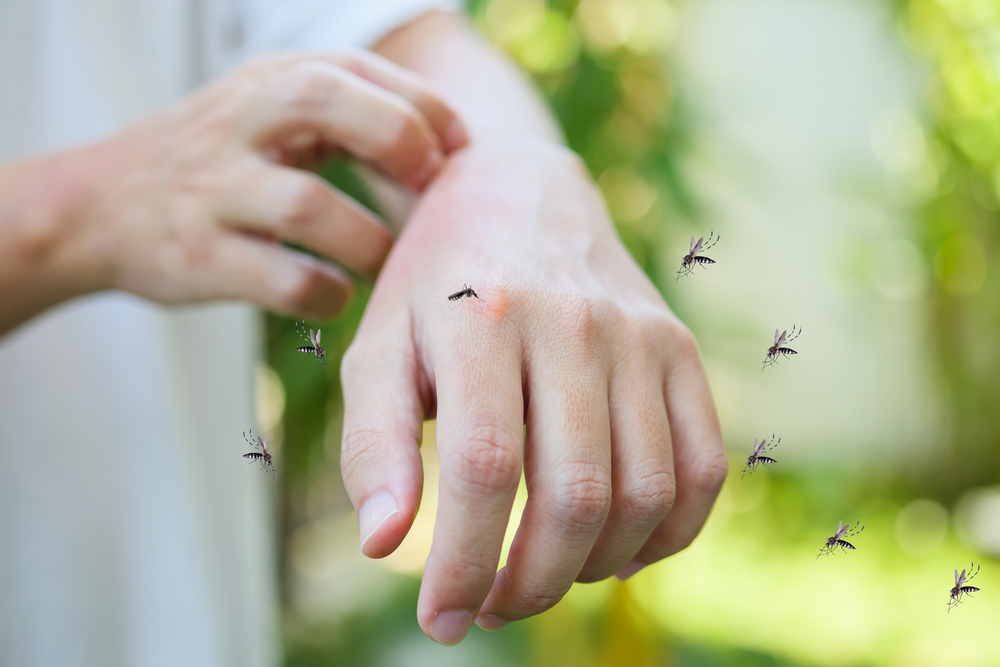
Guatemala is facing a renewed threat from the chikungunya virus, with the Ministry of Health confirming a case in Catarina, San Marcos. This marks the first detection of the virus in the country after a ten-year absence, prompting concern from the Pan American Health Organization (PAHO). Dr. Thais dos Santos, a PAHO regional advisor on arboviruses, highlighted that while chikungunya infection confers lifelong immunity, Guatemala's limited experience with the virus during the 2015 epidemic means a substantial segment of the population remains vulnerable.
Estamos ante un escenario de mayor riesgo, porque tenemos años sin transmisión del chikungunya
Dr. dos Santos explained that chikungunya never truly disappears; it simply moves to areas with susceptible populations. Countries that have not experienced significant outbreaks for extended periods accumulate individuals without natural immunity, creating conditions ripe for localized epidemics. PAHO is closely monitoring these reintroductions and emphasizing the need for early detection and control measures to mitigate the impact on society. The current situation underscores the importance of vigilance and prompt action from all levels of society.
El chikungunya nunca se fue. A diferencia del dengue, una vez que causa infección en una persona, esta tiene inmunidad de por vida, es como una vacuna natural.
While the reappearance of chikungunya may cause apprehension, Dr. dos Santos stressed that the focus should be on proactive measures rather than worry. Health systems must be prepared to recognize and manage cases effectively, preventing severe illness and fatalities. The virus, identified over 50 years ago, is well-understood, making the challenge one of implementation – ensuring robust surveillance, timely response, and widespread public health education. The key concern is not a repeat of the 2015 epidemic, as those previously affected are likely immune, but rather the potential impact on younger generations and those who have never been exposed, necessitating a concerted effort to control its spread.
Entonces, un país que no ha tenido el virus por mucho tiempo acumula gente sin esta inmunidad natural, y es ahí donde se ven estas pequeñas epidemias.
DistantNews Editorial
Originally published by Prensa Libre in Spanish. Translated, summarized, and contextualized by our editorial team with added local perspective. Read our editorial standards.
More Stories
From Our Blog

What Gets Lost (and Found) When News Is Translated

The Critical Role of Diaspora Media in Global News

What Travellers Should Know About Countries with Restricted Press

A Digital Nomad's Guide to Following Local News

How the Same Story Looks Different in Different Countries
