


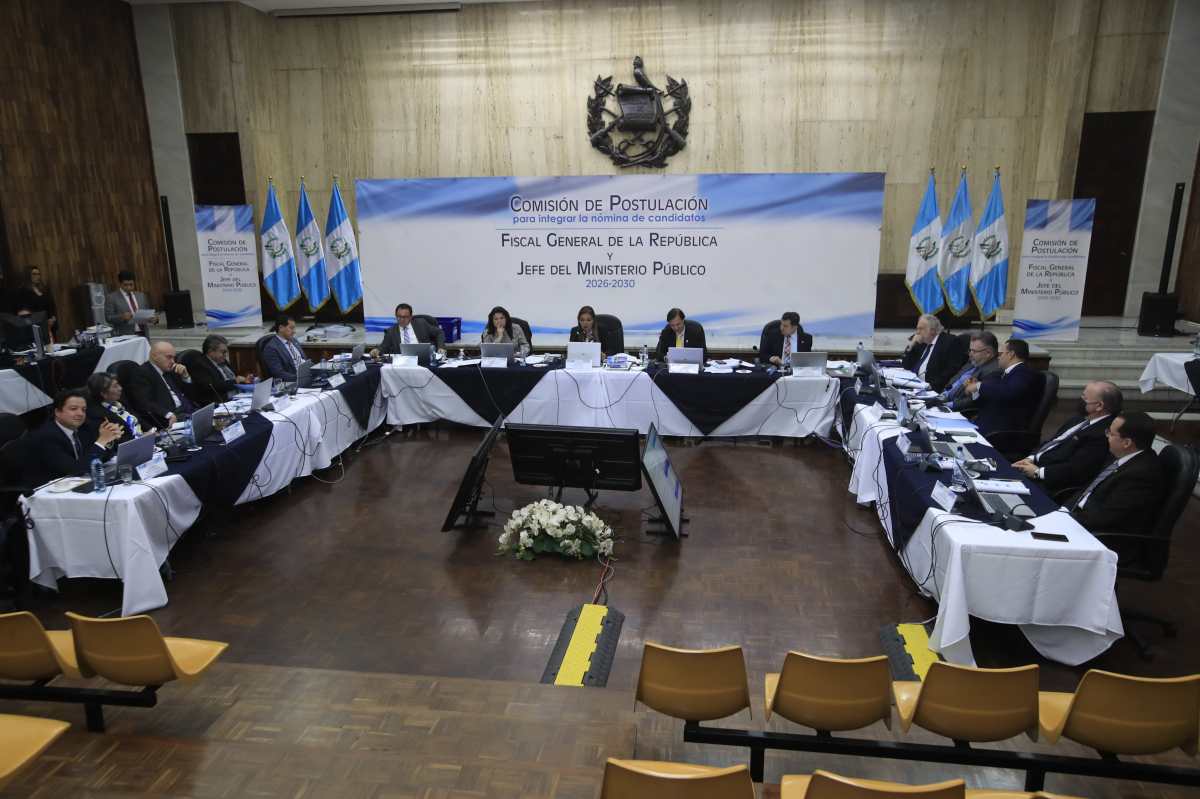
MP Renewal: Commission to Qualify Final Aspirants, Including Prosecutor Consuelo Porras and Judge Villeda
Translated from Spanish, summarized and contextualized by DistantNews.
TLDR
- A commission is evaluating the final candidates for Guatemala's Attorney General and Head of the Public Ministry, including current Attorney General Consuelo Porras.
- The selection process involves a grading system, with a minimum score of 75 points required to advance, but many aspirants have fallen short, potentially leading to a lowered cut-off.
- Concerns have been raised about the grading criteria, with some observers suggesting it overly favors experience and age, and that the evaluation process may be subjective.
The political maneuvering surrounding the selection of Guatemala's next Attorney General and Head of the Public Ministry is reaching a critical juncture. As the commission convenes to evaluate the remaining 22 aspirants, including the incumbent, Consuelo Porras, the process is under intense scrutiny. This is not merely an administrative task; it's a high-stakes political contest where the integrity and independence of a crucial state institution are on the line.
Al ritmo que van, es muy probable que tengan que bajar la línea de corte. Y, en última instancia, subsiste el problema de que la suma de puntos se sustenta privilegiadamente en el expediente, apenas 10 puntos le dieron a la entrevista, que es más real, más importante
The current system, which relies heavily on academic and professional records, has proven to be a significant hurdle. With only five out of the first 26 evaluated candidates meeting the 75-point threshold, the commission faces a dilemma: maintain its rigorous standards or lower the bar to ensure a viable pool of candidates. This situation, as highlighted by Pablo Muñoz of Alianza por las Reformas, underscores a potential flaw in the methodology, where the interview—a more dynamic assessment—carries less weight than the static expediente (file).
En sentido estricto y para efectos prácticos, sí, pues claramente la experiencia es acumulada y se registra en años de ejercicio de la profesión, de la función pública, etc
Furthermore, questions linger about the fairness and objectivity of the grading. While the commission claims to have adjusted its criteria, observers like Muñoz suggest that age and accumulated experience, often correlated, continue to play a disproportionately large role. This raises concerns that the process might inadvertently favor established figures over potentially more dynamic or reform-minded candidates. From Guatemala's perspective, ensuring that the next Attorney General is not only qualified but also independent and capable of combating corruption is paramount. The current opaque and potentially biased evaluation process does little to inspire confidence that this crucial objective will be met.
Los parámetros se conocían previamente, pero sucede que hay fallas en la acreditación de algunos elementos (por parte de los aspirantes) y también una rigurosidad, a veces subjetiva y cuestionable, por parte de los comisionados
DistantNews Editorial
Originally published by Prensa Libre in Spanish. Translated, summarized, and contextualized by our editorial team with added local perspective. Read our editorial standards.
More Stories


From Our Blog

What Gets Lost (and Found) When News Is Translated

The Critical Role of Diaspora Media in Global News

What Travellers Should Know About Countries with Restricted Press

A Digital Nomad's Guide to Following Local News

How the Same Story Looks Different in Different Countries
