


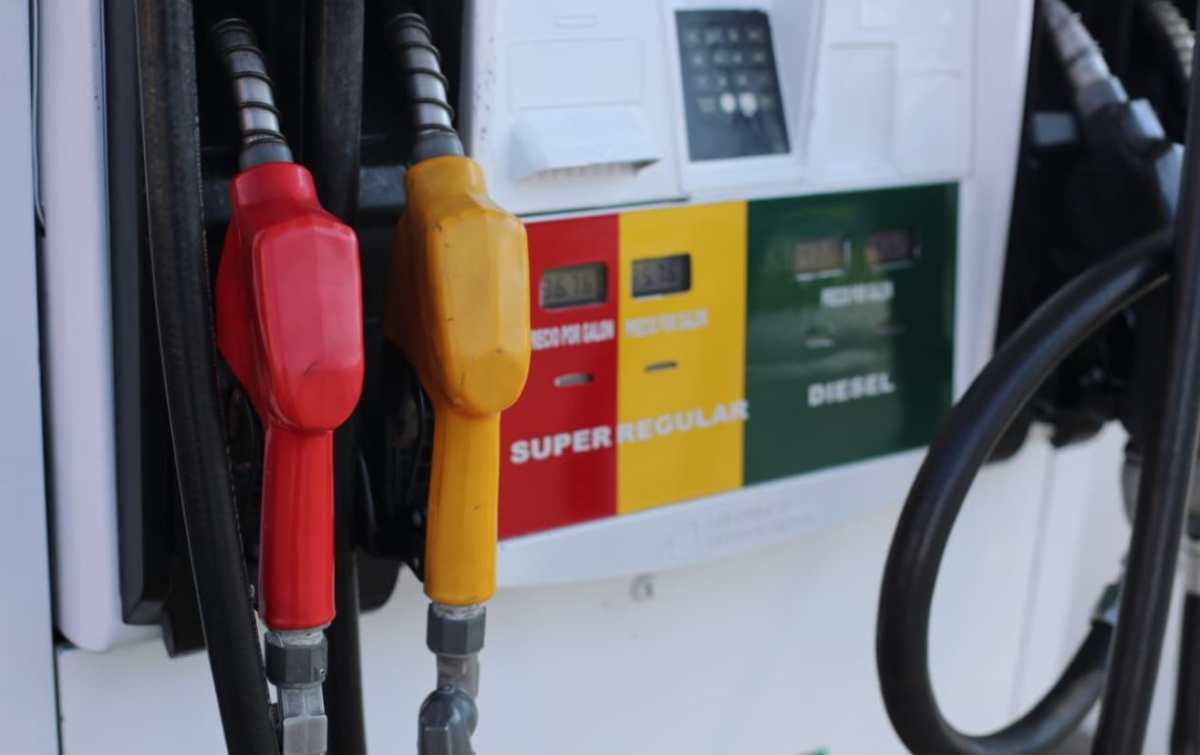
Guatemala Fuel Subsidy Faces Uneven Rollout Amid Inventory Challenges
Translated from Spanish, summarized and contextualized by DistantNews.
TLDR
- A new fuel subsidy in Guatemala has faced implementation challenges, with not all gas stations applying the reduced prices immediately.
- The Ministry of Energy and Mines (MEM) clarified that the subsidy applies to fuel dispatched from April 28 onwards, while existing inventories are not affected.
- The Guatemalan Association of Gasoline Retailers (Ageg) explained that stations with older inventory are delaying implementation to avoid customer complaints and financial losses, expecting standardization in two to three days.
The implementation of the new fuel subsidy, intended to provide temporary relief to consumers, has unfortunately been met with confusion and delays across Guatemala. While the Ministry of Energy and Mines (MEM) has clarified the technicalities – that the subsidy applies to fuel dispatched from April 28th onwards – the reality on the ground is proving more complex.
Gas station owners, represented by the Guatemalan Association of Gasoline Retailers (Ageg), are grappling with existing fuel inventories purchased before the subsidy's effective date. Selling this older fuel at the new, lower subsidized price would result in significant financial losses. Consequently, many stations are holding onto their existing stock, leading to a patchwork of prices and understandable frustration among the public who expect immediate savings.
The theme is to exhaust inventories, because when you tell the public that the subsidy has already entered, it generates a lot of complaints at the service stations and misrepresentations, as is already happening because people do not understand that this is a process.
This situation highlights a common challenge in implementing economic aid measures: the gap between policy intent and practical execution. While the government aims to ease the burden on consumers, the logistical and financial realities faced by businesses can create unintended consequences. Ageg is urging patience, estimating that it will take a few days for inventories to deplete and for the subsidized prices to become universally applied. However, the current uncertainty and the potential for financial strain on some stations underscore the need for clearer communication and perhaps more robust support mechanisms during such transitions.
This is a process and it will arrive in a few days.
DistantNews Editorial
Originally published by Prensa Libre in Spanish. Translated, summarized, and contextualized by our editorial team with added local perspective. Read our editorial standards.
More Stories



From Our Blog

What Gets Lost (and Found) When News Is Translated

The Critical Role of Diaspora Media in Global News

What Travellers Should Know About Countries with Restricted Press

A Digital Nomad's Guide to Following Local News

How the Same Story Looks Different in Different Countries
