

Guatemalan Congress Ends Session with Low Productivity, Analysts Cite Transactional Politics
Translated from Spanish, summarized and contextualized by DistantNews.
TLDR
- Analysts criticize the Guatemalan Congress for low legislative productivity during its first ordinary session of 2026.
- The session, ending May 15, is marked by divisions and transactional politics rather than a common agenda, unlike previous years.
- Political scientist Renzo Rosal described the work as "unproductive" and "transactional," with little tangible outcome from oversight actions.
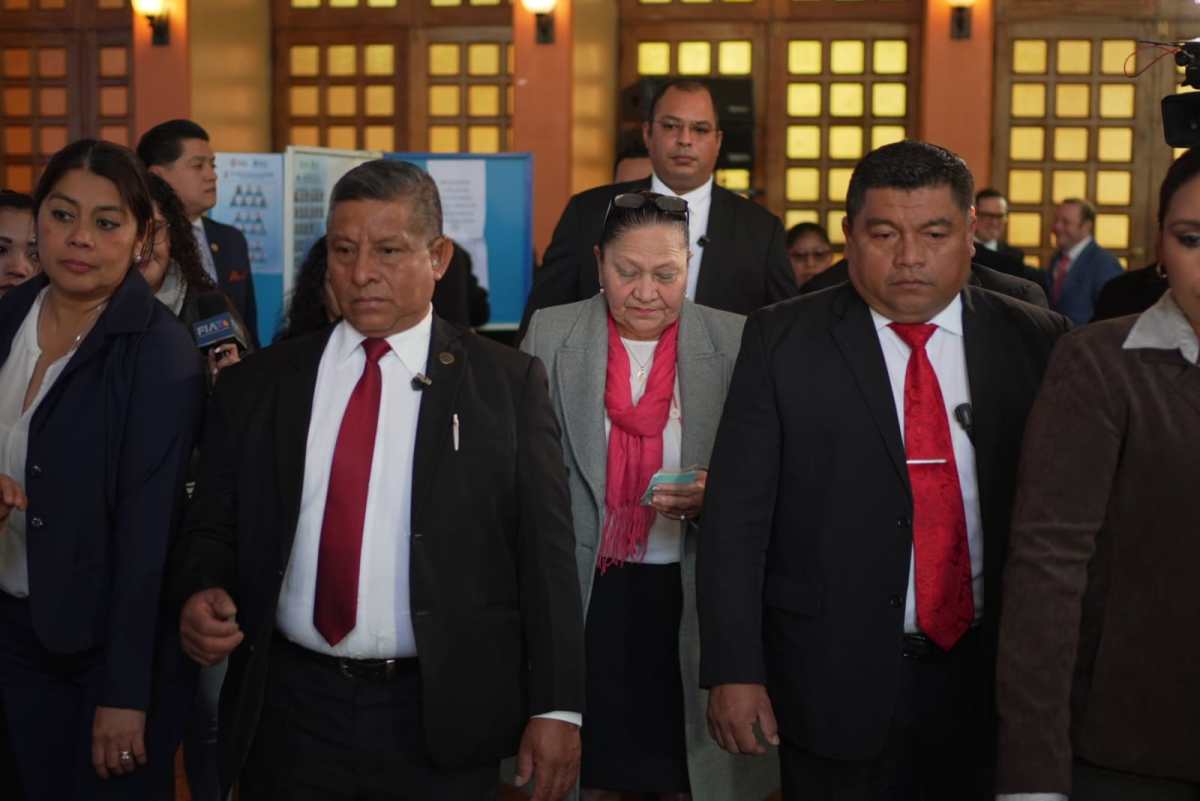
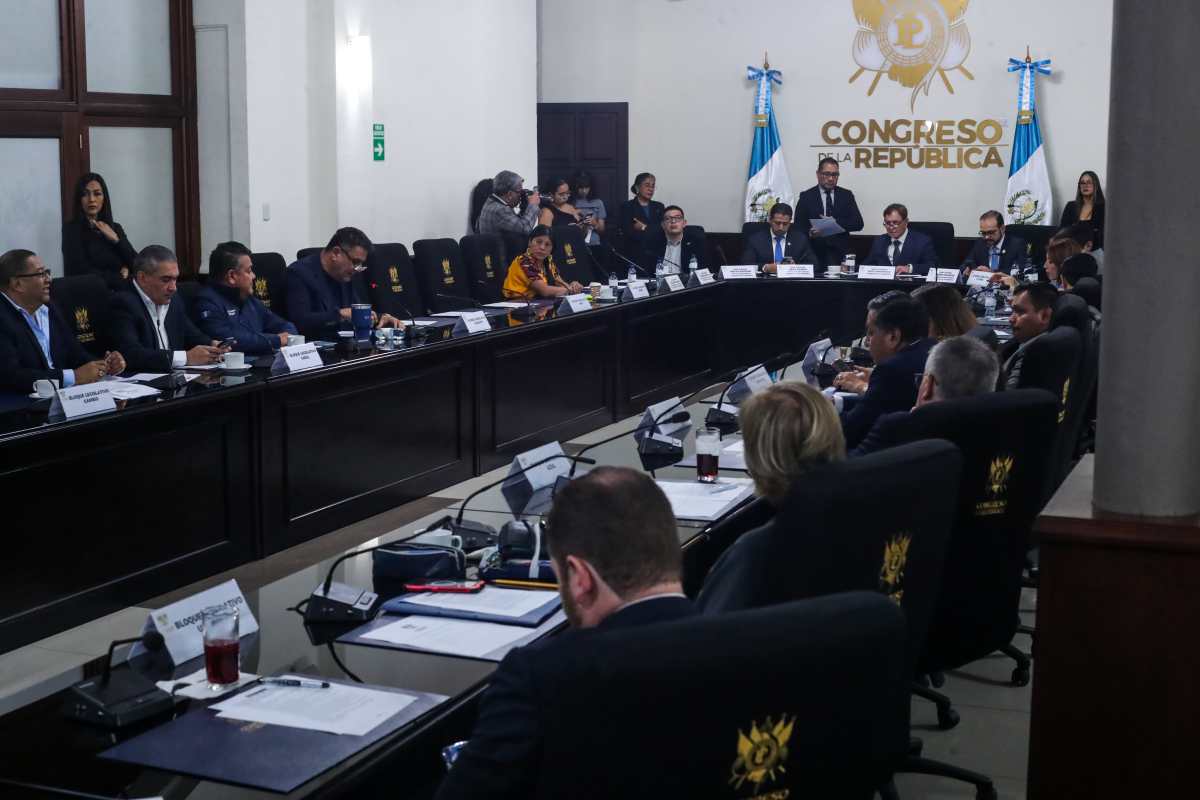
As the first ordinary session of the 2026 congressional term draws to a close, a sense of disappointment pervades the political landscape. Prensa Libre's analysis, reflecting the views of local political scientists, paints a stark picture of legislative inertia and a worrying shift towards self-serving negotiations over substantive lawmaking.
the work carried out during this first period of 2026 by the tenth legislature has been 'really unproductive' and marked by a 'transactional' dynamic to approve certain issues.
Renzo Rosal's assessment of the session as "unproductive" and "transactional" resonates deeply. The once-promising dynamic of consensus-building seen in the earlier years of this legislature has dissolved, replaced by a fragmented approach where individual interests dictate voting patterns. This "activismo legislativo," as Rosal terms it, characterized by numerous hearings and citations of officials, has yielded few tangible results, failing to provide effective oversight.
It is not the approval of a greater number of decrees. Largely, the work has focused on the so-called oversight actions, which are basically summoning officials and nothing else, or the occasional interpellation. That is, these actions are ineffective, they are extensive, they are long and exhausting for the officials, but there are no tangible results in terms of oversight. That is what we could call legislative activism with many meetings or summonses to officials.
What is particularly concerning from our perspective is the apparent lack of a cohesive strategy or a strong governing bloc. The executive branch, lacking its own dedicated party in Congress, seems to have resorted to a "transactional mechanism" to push its agenda. This involves making deals with deputies from various parties, a practice that, while perhaps expedient in the short term, undermines the integrity of the legislative process and fosters an environment of quid pro quo rather than genuine policy development. The analysts' observations suggest a Congress that is increasingly capricious, erratic, and volatile, a far cry from the stable and productive body citizens expect.
That transactional mechanism, I believe the current government has allowed it to become strong. First, because it has no players in Congress, there is no ruling party in Congress, and therefore, faced with that vacuum, what the Executive has done is to ingratiate itself with several deputies from various parties under the assumption that, with that support, these deputies will vote or support initiatives from the Executive. That is the transactional mechanism that operates today and it is a mechanism into which the Executive has fallen, as if in an error.
DistantNews Editorial
Originally published by Prensa Libre in Spanish. Translated, summarized, and contextualized by our editorial team with added local perspective. Read our editorial standards.
More Stories

From Our Blog

What Gets Lost (and Found) When News Is Translated

The Critical Role of Diaspora Media in Global News

What Travellers Should Know About Countries with Restricted Press

A Digital Nomad's Guide to Following Local News

How the Same Story Looks Different in Different Countries
