


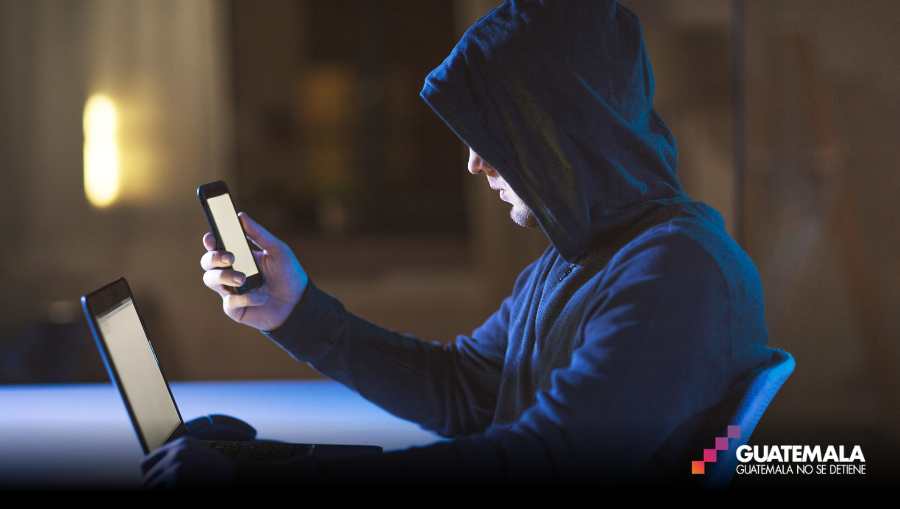
Guatemalans on Alert Over Digital Scams and Data Theft via WhatsApp and Facebook
Translated from Spanish, summarized and contextualized by DistantNews.
TLDR
- Guatemalans are increasingly targeted by digital scams and data theft via platforms like WhatsApp and Facebook, according to a social listening study.
- Financial fraud constitutes the largest share of complaints (43.5%), followed by e-commerce scams (28.4%) and phishing (17.8%).
- An expert notes that criminals exploit user-provided information, often obtained through deceptive links or social engineering tactics, to commit fraud.
Guatemalans are facing a growing wave of digital fraud and data theft, with platforms like WhatsApp and Facebook becoming primary vectors for these illicit activities. A comprehensive social listening study, monitoring conversations from January 2023 to March 2026, reveals that cybersecurity is a major concern, dominating digital discourse among Guatemalans.
It may be that a customer does not recognize a charge on their card, but perhaps they received a link where it said: 'if you enter your card number here you will participate in a trip all expenses paid to the World Cup 2026'. The customer does not realize the URL where they entered and provides all their data.
The study indicates a predominantly negative sentiment surrounding cybersecurity issues, with 41% of conversations expressing negativity. Financial fraud emerged as the most significant complaint category, accounting for 43.5% of user grievances. This is closely followed by e-commerce scams (28.4%) and phishing and data theft (17.8%). The prevalence of these scams highlights a critical vulnerability in the digital landscape for everyday users.
Experts emphasize that the evolution of cybercrime has shifted the focus from solely targeting financial institutions to exploiting individual users. Criminals employ sophisticated social engineering tactics, such as deceptive links promising rewards or exclusive offers, to trick individuals into divulging sensitive information like credit card details, expiration dates, and security codes. This information is then used for unauthorized transactions and fraudulent activities.
It's very easy to do, you just grab a card, memorize the number and you can already buy on the internet.
The increasing reliance on e-commerce and remote transactions, amplified by the digital environment, has created fertile ground for these scams. The ease with which personal data can be compromised and exploited underscores the urgent need for enhanced cybersecurity awareness, robust protective measures, and potentially regulatory reforms to safeguard Guatemalan citizens in the digital age. The platform X (formerly Twitter) remains the dominant space for these discussions, reflecting its role as a hub for public outcry and information sharing on these critical issues.
Before, that option didn't exist; now much is done remotely and it lends itself to that ease.
DistantNews Editorial
Originally published by Prensa Libre in Spanish. Translated, summarized, and contextualized by our editorial team with added local perspective. Read our editorial standards.
More Stories
From Our Blog

What Gets Lost (and Found) When News Is Translated

The Critical Role of Diaspora Media in Global News

What Travellers Should Know About Countries with Restricted Press

A Digital Nomad's Guide to Following Local News

How the Same Story Looks Different in Different Countries
