

Gulf States Feel 'Strategic Disillusionment': US Hegemony in Middle East is Past
Translated from German, summarized and contextualized by DistantNews.
At a glance
Analysis
Named sources
Context piece
- Gulf states, particularly Saudi Arabia, are experiencing "strategic disillusionment" with the U.S. as a security guarantor.
- The U.S. response to Iranian aggression has been perceived as insufficient, leading Gulf nations to diversify security alliances.
- Saudi Arabia has notably restricted U.S. military operations from its airspace and is strengthening ties with China and Pakistan.
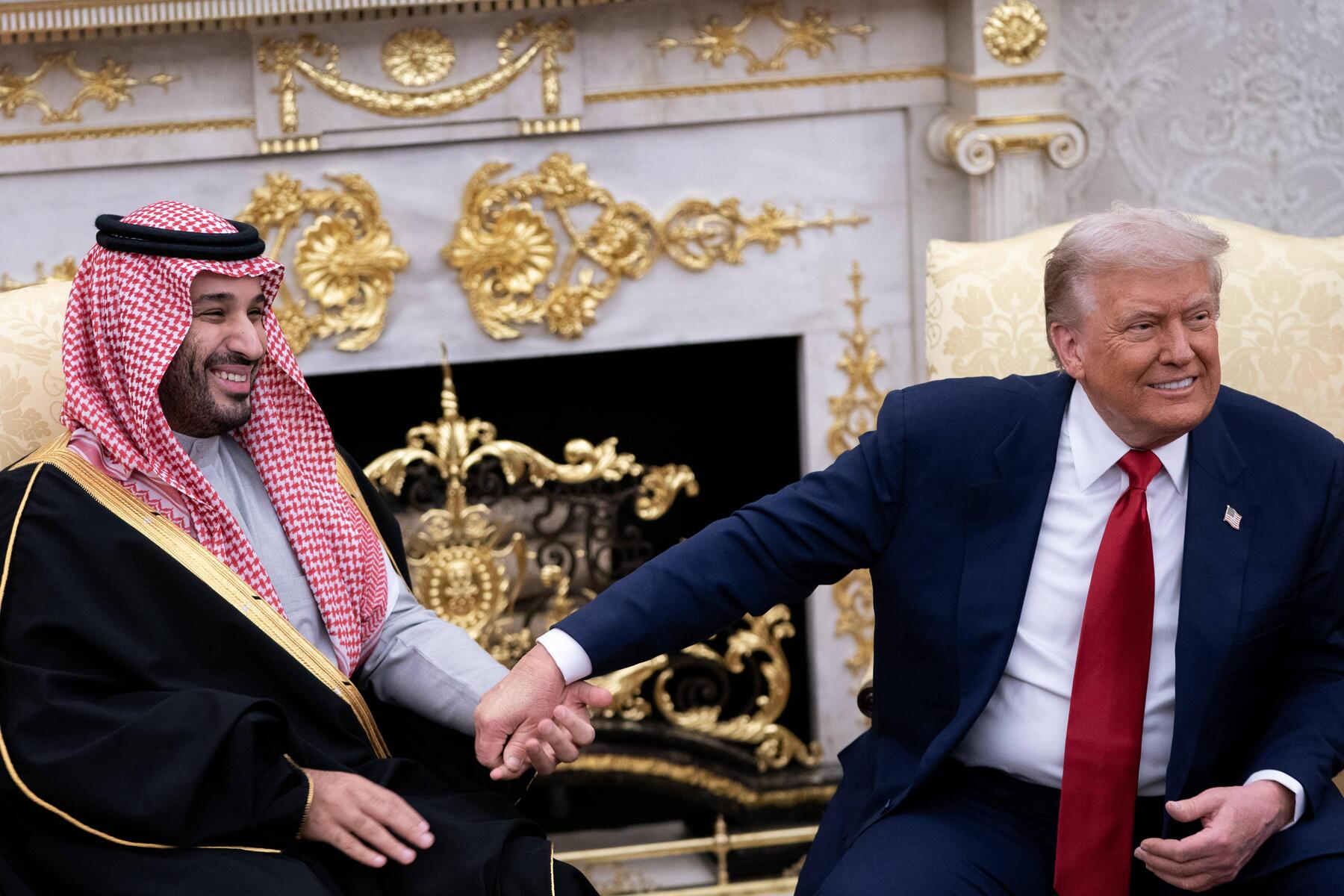
The era of U.S. hegemony in the Middle East is over, according to disillusioned Gulf states, marking a significant shift in regional power dynamics. This sentiment stems from a perceived unreliability of the United States as a security partner, a stark contrast to the post-World War II era when U.S. President Franklin D. Roosevelt established a foundational relationship with Saudi Arabia.
The time of US hegemony in the Middle East is over.
Decades ago, the U.S. secured Gulf oil in exchange for a protective umbrella. However, recent events, including the U.S. response to Iranian aggression and perceived concessions to Iran by the Trump administration, have eroded trust. Thomas Demmelhuber, a Gulf region expert, observes a "strategic disillusionment" among Saudi leadership, noting that while the U.S. remains important, it is no longer viewed as a dependable guarantor of order and security.
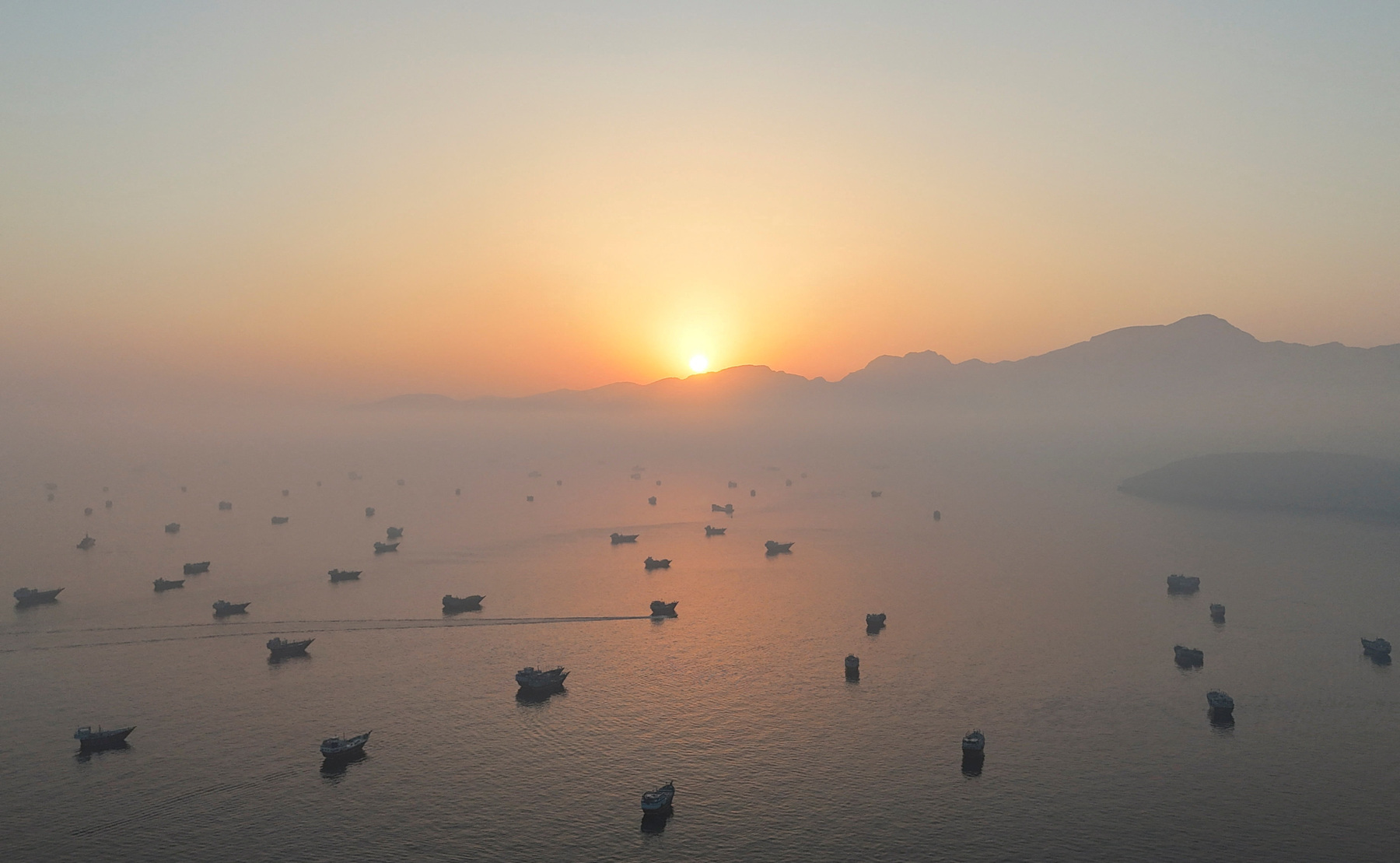
This shift was underscored when Saudi Arabia denied U.S. aircraft access to its airspace for "Operation Project Freedom," aimed at forcing the passage of oil tankers through the Strait of Hormuz. Despite calls from President Trump, Saudi Crown Prince Mohammed bin Salman did not relent, forcing the operation's cancellation after 48 hours. Such actions by a key Arab leader send a strong signal throughout the region.
A strategic disillusionment of the Saudi leadership.
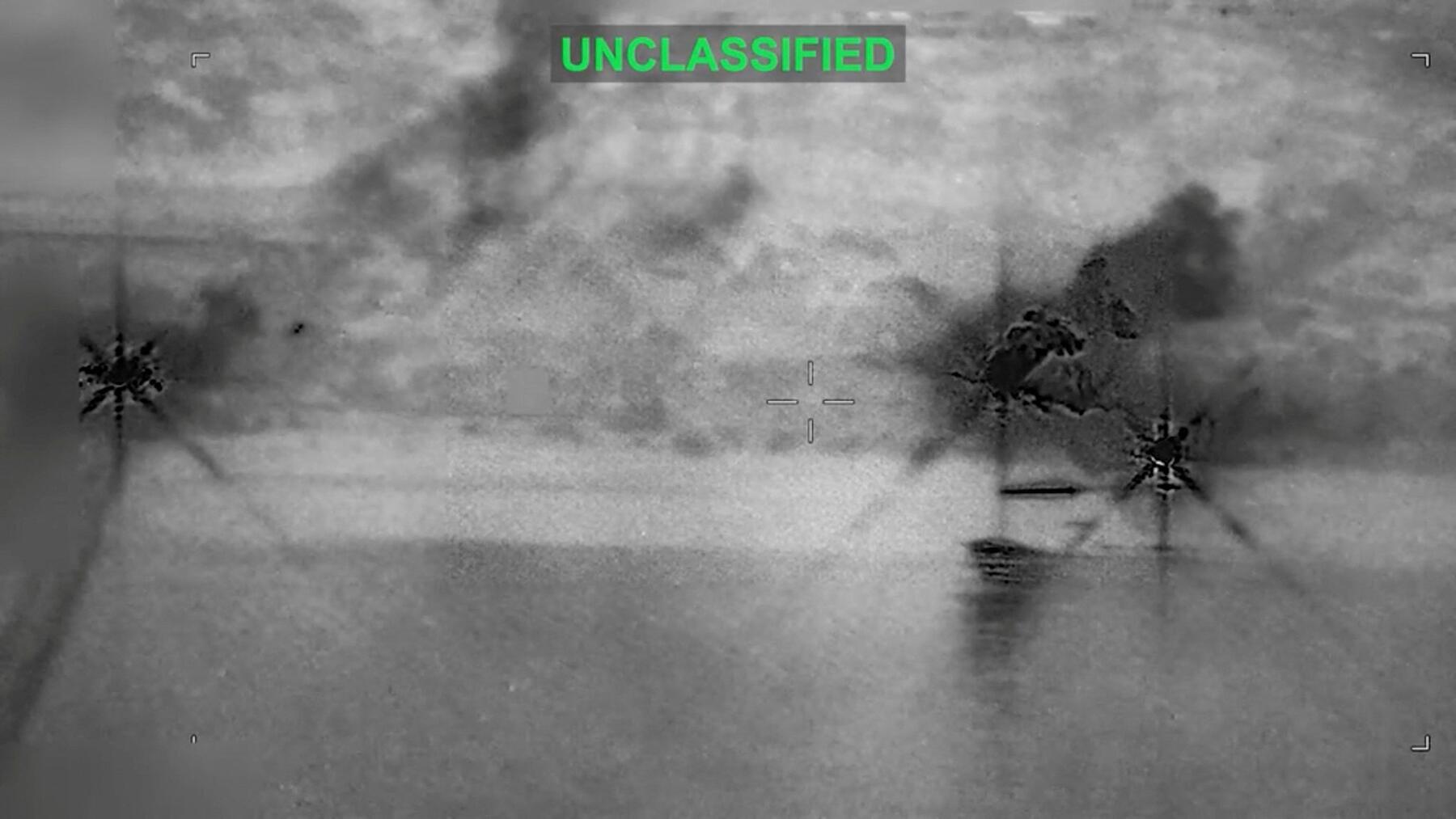
The U.S. military is reportedly reassessing the placement of aircraft and weapons systems from bases in Saudi Arabia, Kuwait, and Bahrain, potentially relocating them to Israel. The vulnerability of Gulf military facilities was highlighted by Iranian attacks causing $400 million in damage to a U.S. Marine base in Bahrain. While a full U.S. withdrawal is not anticipated, America's influence is expected to wane. The conflict has prompted Gulf states to seek more diverse security arrangements and invest in their own capabilities. Saudi Arabia, for instance, is deepening ties with China, a U.S. rival, and has a mutual defense agreement with Pakistan. The kingdom also normalized relations with Iran three years ago, despite ongoing historical rivalry.
The USA remains important for the Saudis and the other Gulf states, but is no longer perceived as a reliable guarantor of order and security.
DistantNews Editorial
Originally published by Die Presse in German. Translated, summarized, and contextualized by our editorial team with added local perspective. Read our editorial standards.
More Stories

From Our Blog

What Gets Lost (and Found) When News Is Translated

The Critical Role of Diaspora Media in Global News

What Travellers Should Know About Countries with Restricted Press

A Digital Nomad's Guide to Following Local News

How the Same Story Looks Different in Different Countries
