


Gwanaksan Mountain Polluted by Visitors Leaving Trash, Including Ramen Broth
Translated from Korean, summarized and contextualized by DistantNews.
TLDR
- Visitors to Gwanaksan mountain in Seoul are leaving behind trash, including ramen broth and wrappers, in natural pools and on the summit.
- The pollution is occurring despite the mountain being promoted as a place with good 'energy' or 'jeonggi' (vital force).
- This behavior follows previous incidents of vandalism, such as graffiti, and highlights a growing problem of disrespect for natural spaces among some visitors.
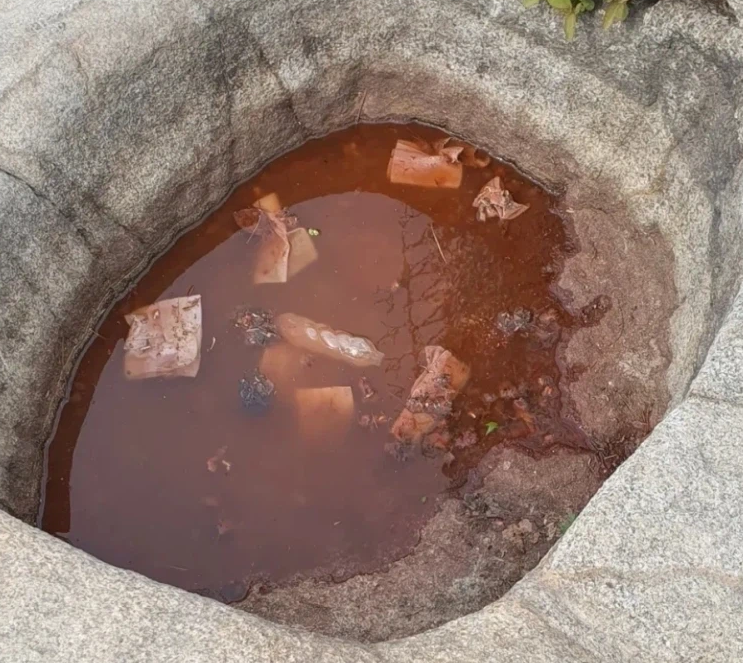
Gwanaksan mountain, once revered for its natural beauty and spiritual energy, is now suffering from the careless actions of some visitors. Recent images circulating on social media reveal disturbing scenes of trash, including ramen broth and wrappers, polluting natural pools and the mountain's summit. This blatant disregard for the environment has sparked outrage among netizens, who rightly question the behavior of those who claim to seek positive energy while leaving behind such a mess.
The phenomenon of people flocking to Gwanaksan, particularly younger generations, has surged following its mention on a popular entertainment program. A renowned fortune teller described the mountain as a place with potent 'jeonggi' (vital force), capable of granting wishes if made three times. This narrative has transformed Gwanaksan into a trendy destination, drawing large crowds, especially during holiday periods like the recent 'stepping stone holiday.'
However, this influx of visitors has unfortunately coincided with a rise in destructive behavior. Prior to the ramen broth incident, graffiti mocking the mountain's supposed 'luck' was discovered and had to be removed by the local authorities. The sheer volume of people visiting Gwanaksan, even prompting safety alerts from surrounding municipalities like Gwacheon, Anyang, and Seoul's Gwanak-gu, underscores the need for better crowd management and visitor education.
The contrast between the mountain's promoted image as a source of positive energy and the reality of its pollution is stark. It raises questions about the true intentions of some visitors and the broader societal issue of respecting natural and cultural heritage. While Gwanaksan's popularity may bring attention, it is crucial that this attention translates into responsible stewardship, not further degradation of this cherished natural landmark.
DistantNews Editorial
Originally published by Hankyoreh in Korean. Translated, summarized, and contextualized by our editorial team with added local perspective. Read our editorial standards.
More Stories


From Our Blog

What Gets Lost (and Found) When News Is Translated

The Critical Role of Diaspora Media in Global News

What Travellers Should Know About Countries with Restricted Press

A Digital Nomad's Guide to Following Local News

How the Same Story Looks Different in Different Countries
