

Hantavirus: WHO Confirms Six Cases After Cruise Ship Outbreak
Translated from German, summarized and contextualized by DistantNews.
TLDR
- Six of eight suspected Hantavirus cases on a cruise ship have been confirmed by the WHO, with three deaths reported, including a German and a Dutch couple.
- The virus, an Andean strain, is suspected to have originated in Argentina or Chile before spreading on the ship; human-to-human transmission is rare.
- The cruise ship is scheduled to dock in Tenerife, Spain, where passengers and crew will undergo medical checks.
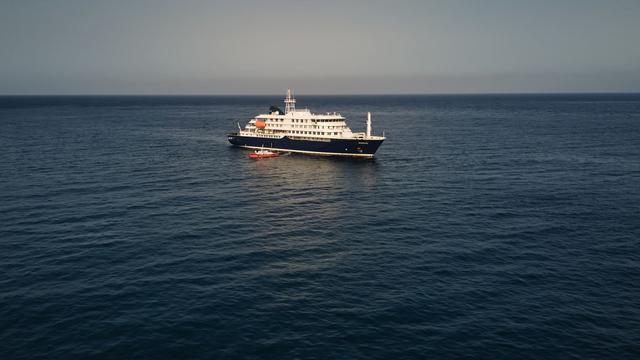
The World Health Organization (WHO) has confirmed six Hantavirus cases among eight suspected infections aboard the cruise ship MS Hondius, a development that has raised international concern. As reported by Die Zeit, three individuals have tragically lost their lives due to the outbreak, including a German national and a Dutch couple. The ship is currently en route to Tenerife, Spain, where passengers and crew will face medical scrutiny upon arrival.
Six of the eight suspected cases of Hantavirus on a cruise ship have been confirmed.
The virus in question is the Andean strain of Hantavirus, a pathogen known for its potential severity. While the exact source is under investigation, the initial infection is believed to have occurred in Argentina or Chile before spreading among those on board. Experts emphasize that human-to-human transmission of this strain is exceptionally rare, suggesting that the primary transmission likely occurred before or during the early stages of the voyage. The long incubation period, up to eight weeks, complicates containment efforts, as highlighted by Dr. Torsten Feldt of the University Hospital Düsseldorf.
Three of the eight people have died, including a German and a Dutch couple.
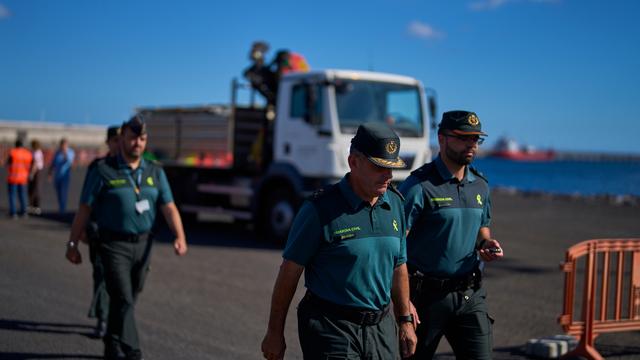
For passengers and crew, the risk is considered moderate, though the global risk is deemed low by the WHO. The ship's itinerary included stops in Cape Verde and is expected to reach Tenerife on Sunday. Authorities are preparing to conduct thorough examinations of all individuals disembarking. The situation underscores the vulnerabilities inherent in closed environments like cruise ships, where infectious diseases can spread rapidly, even with stringent health protocols.
This strain can be transmitted through very close contact from person to person, which experts say is very rare.
From a German perspective, the confirmation of a Hantavirus case and a fatality among its citizens is particularly concerning. Die Zeit's reporting focuses on the factual dissemination of information from the WHO and relevant health authorities, providing clarity on the confirmed cases, the nature of the virus, and the ongoing response. The emphasis is on the medical facts and the logistical challenges of managing such an outbreak at sea, ensuring that the public receives accurate information to understand the risks and the measures being taken to mitigate them.
The risk for the world population is low, but for the passengers and crew, it is moderate.
DistantNews Editorial
Originally published by Die Zeit in German. Translated, summarized, and contextualized by our editorial team with added local perspective. Read our editorial standards.
More Stories


From Our Blog

What Gets Lost (and Found) When News Is Translated

How the Same Story Looks Different in Different Countries

The Critical Role of Diaspora Media in Global News

What Travellers Should Know About Countries with Restricted Press

A Digital Nomad's Guide to Following Local News
