

Harz district restricts water extraction due to low levels
Translated from German, summarized and contextualized by DistantNews.
At a glance
News
From a news agency
New plan
- The Harz district in Germany has restricted water extraction from its bodies of water due to critically low levels.
- Surface water extraction is prohibited from Tuesday, while groundwater extraction for irrigation is limited until the end of September.
- The restrictions aim to prevent long-term damage to aquatic organisms and plants caused by the prolonged drought.
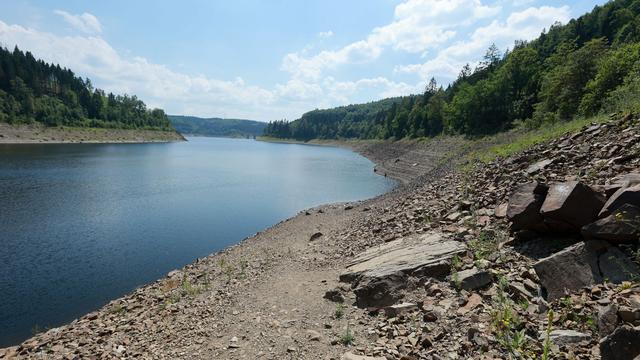
The Harz district in Germany has implemented restrictions on water extraction from its rivers and groundwater sources, citing critically low water levels. The measure, effective from Tuesday, prohibits the withdrawal of surface water entirely and limits groundwater extraction for irrigation purposes.
These restrictions are set to remain in place until the end of September. The district authorities explained that minimal rainfall in the first half of the year, particularly in the Harz foothills, has led to significantly reduced water flow in the region's waterways. By early August, 16 out of 20 measured water levels were below the critical threshold.
The prolonged low water conditions pose a significant threat to the aquatic ecosystems. Authorities warned that the continuous strain on the rivers could cause lasting damage to the organisms and plants that inhabit these environments. The restrictions are intended to prevent the over-exploitation of these vital water resources.
The decision reflects growing concerns over drought conditions and their impact on natural environments across Germany and Europe. Water scarcity poses a challenge for both ecosystems and human activities, necessitating such measures to ensure the long-term health of river systems.
By early August, 16 out of 20 Pegeln zu niedrige Werte gemessen worden.
DistantNews Editorial
Originally published by Die Zeit in German. Translated, summarized, and contextualized by our editorial team with added local perspective. Read our editorial standards.
More Stories

From Our Blog

What Gets Lost (and Found) When News Is Translated

How the Same Story Looks Different in Different Countries

The Critical Role of Diaspora Media in Global News

What Travellers Should Know About Countries with Restricted Press

A Digital Nomad's Guide to Following Local News
