

/s3/static.nrc.nl/wp-content/uploads/2026/05/07082359/070526VER_2033559746_Hanta.jpg)
Health Authorities Monitor KLM Passengers After Hantavirus Death
Translated from Dutch, summarized and contextualized by DistantNews.
TLDR
- Public health authorities are monitoring 300 passengers from a KLM flight after a woman aboard died from Hantavirus.
- The woman, who had traveled from Argentina, became ill and died in a Johannesburg hospital; her husband had previously died from the virus.
- Argentina is investigating the source of the outbreak, potentially linked to a cruise ship, and collaborating with international laboratories for testing.
The emergence of Hantavirus cases linked to international travel has prompted swift action from Dutch health authorities. The GGD (Community Health Services) is actively tracking approximately 300 passengers who were on the same KLM flight as a 69-year-old woman who tragically died from the virus. This proactive measure aims to identify any potential secondary infections and ensure timely medical intervention should any passengers develop symptoms.
The deceased woman's travel history, originating from Argentina where she had been on a cruise ship, has raised concerns about the potential source of the outbreak. Her husband had also succumbed to the virus earlier in April, highlighting the severity and rapid progression of Hantavirus infections. The fact that she became too ill to complete her journey to the Netherlands and passed away in a South African hospital underscores the critical nature of the illness.
Meanwhile, Argentinian health officials are working diligently to pinpoint the origin of the virus. Their investigation includes trapping and examining rodents in the Ushuaia region, a known habitat for carriers of the virus. This on-the-ground effort is crucial for understanding the transmission dynamics and implementing containment strategies. Argentina's willingness to share samples with international laboratories, including those in the Netherlands and Spain, demonstrates a collaborative approach to tackling this global health concern.
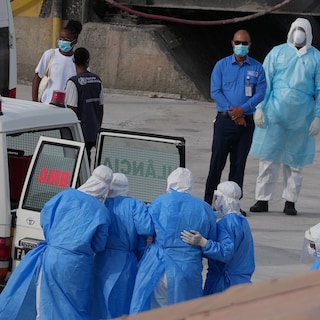
The situation is evolving rapidly, with multiple evacuation flights bringing symptomatic individuals to the Netherlands for specialized care. The GGD's close monitoring of the crew and some passengers, including daily check-ins, reflects the heightened vigilance required in managing potential public health threats. While the immediate focus is on containing this specific cluster, the incident also serves as a reminder of the ongoing risk posed by zoonotic diseases and the importance of robust international cooperation in disease surveillance and response.
DistantNews Editorial
Originally published by NRC Handelsblad in Dutch. Translated, summarized, and contextualized by our editorial team with added local perspective. Read our editorial standards.
More Stories


From Our Blog

What Gets Lost (and Found) When News Is Translated

The Critical Role of Diaspora Media in Global News

What Travellers Should Know About Countries with Restricted Press

A Digital Nomad's Guide to Following Local News

How the Same Story Looks Different in Different Countries
