


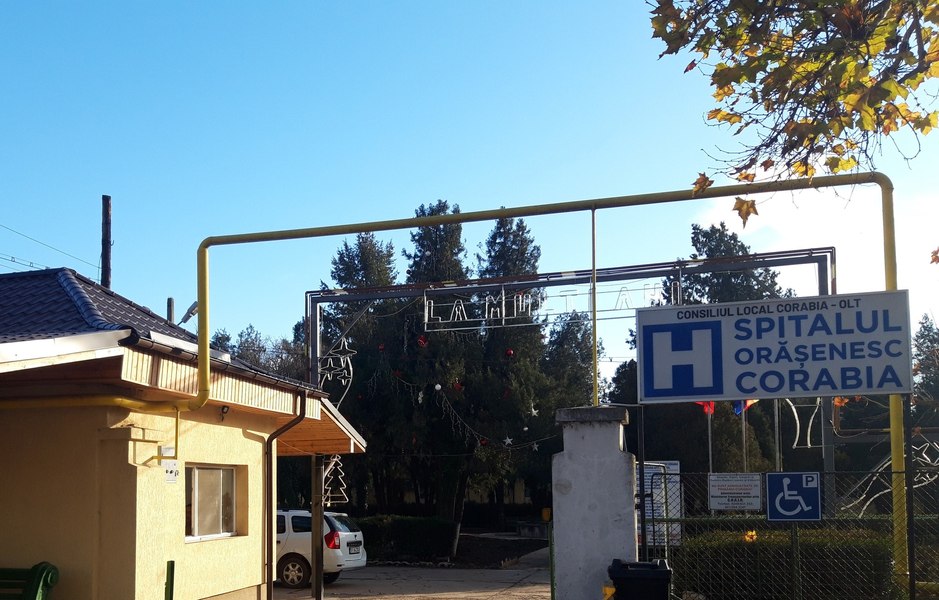
Healthcare optimization: a difficult endeavor for hospitals. 'Do we have their infrastructure?'
Translated from Romanian, summarized and contextualized by DistantNews.
TLDR
- Romania plans to reduce the number of hospital beds by over 14,000 by 2028, with an initial cut of nearly 4,700 beds.
- This reduction is part of a healthcare optimization strategy aimed at shifting services towards outpatient and day-care models.
- The decision is based on occupancy rates, with exceptions for palliative care and intensive care units, sparking concerns about the impact on smaller hospitals.
Romania is embarking on a significant restructuring of its public healthcare system, involving a substantial reduction in hospital beds. The plan, set to be implemented by 2028, aims to cut over 14,000 beds, with nearly 4,700 already being removed in the first phase. This move is framed as an 'optimization' strategy, driven by the need to reduce high maintenance costs associated with an excess of beds compared to the European average. The stated goal is to transition towards more efficient healthcare delivery, emphasizing outpatient and day-care services. However, the criteria for bed reduction—primarily based on low occupancy rates—are raising concerns, particularly for smaller hospitals. For instance, the Corabia Town Hospital is set to lose five beds, including reducing its Neonatology capacity from three to one, due to low birth rates. While the necessity of optimizing expenses is acknowledged, managers like Marian-Petre Ilin from Corabia question the sole reliance on figures, suggesting that such a data-driven approach might overlook the broader service needs of local communities. The debate highlights the tension between national efficiency targets and the practical realities faced by regional healthcare providers in Romania.
DistantNews Editorial
Originally published by Adevărul in Romanian. Translated, summarized, and contextualized by our editorial team with added local perspective. Read our editorial standards.
More Stories


From Our Blog

What Gets Lost (and Found) When News Is Translated

The Critical Role of Diaspora Media in Global News

What Travellers Should Know About Countries with Restricted Press

A Digital Nomad's Guide to Following Local News

How the Same Story Looks Different in Different Countries
