

Heatwaves and Hypertension: When Danger Strikes and Symptoms to Watch For
Translated from Greek, summarized and contextualized by DistantNews.
At a glance
News
Named sources
Context piece
- With heatwaves affecting Europe and high temperatures expected in Greece, health experts are providing guidance for protecting vulnerable groups, especially those with hypertension.
- Rising environmental temperatures can cause vasodilation and sweating, potentially lowering blood pressure and posing risks for individuals on antihypertensive medication.
- Key warning signs include extreme weakness, drowsiness, muscle cramps, dizziness upon standing, and reduced urine output, all of which may indicate dehydration or a significant drop in blood pressure.
As heatwaves grip Europe and high temperatures loom for Greece, health professionals are issuing crucial advice for managing health, particularly for individuals with hypertension and other vulnerable groups. Marios Pyrpasopoulos, vice president of the Hellenic Professional Association of Pathologists (HPAP), detailed how the body reacts to extreme heat.
When the ambient temperature increases, the body activates mechanisms such as vasodilation and sweating to maintain its temperature stable.
When ambient temperatures rise, the body activates mechanisms like vasodilation and sweating to maintain a stable internal temperature. These processes naturally lead to a decrease in blood pressure. This can create complications for individuals already taking medication to manage high blood pressure, making them susceptible to issues like dehydration and hypotension.
Elderly individuals over 70, especially those with pre-existing conditions such as heart or kidney failure, respiratory illnesses, or those taking diuretics, are at the highest risk. The increased effectiveness of blood pressure-lowering medications combined with the risk of dehydration can be dangerous. Pyrpasopoulos stressed that patients should not alter their medication regimen without consulting their doctor if they experience symptoms like severe weakness, drowsiness, muscle cramps, dizziness when standing, fainting spells, or decreased urine output.
These processes lead to a decrease in blood pressure, which can cause problems for people taking antihypertensive medication.
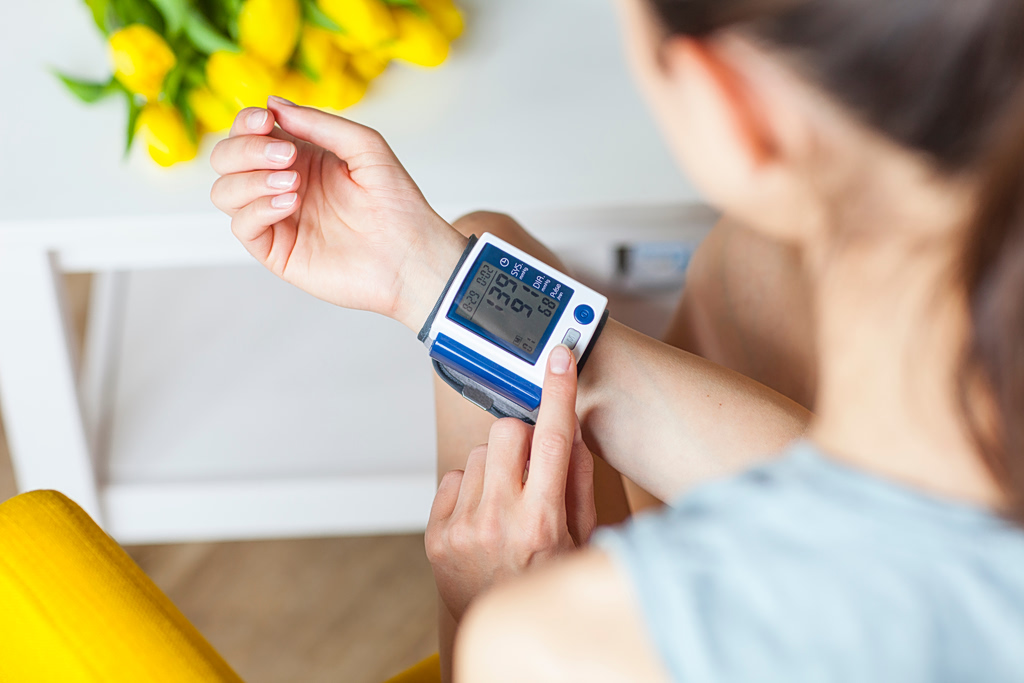
Adequate hydration is paramount, with Pyrpasopoulos calling it the "key" to prevention. Consuming approximately 1.5 to 2 liters of fluids daily, primarily water, helps maintain blood volume and blood pressure. Light meals rich in fruits and vegetables are recommended, while alcohol and fatty foods should be avoided. For well-managed hypertensive patients, a daily morning blood pressure reading is usually sufficient. However, if dizziness, weakness, or fainting occurs, more frequent monitoring and immediate medical consultation are necessary.
The elderly over 70, especially those suffering from heart or kidney failure, respiratory diseases or taking diuretics, are at greater risk.
Physical activity should be avoided during peak heat hours. If exercise is necessary, it should be conducted in a cool, air-conditioned environment with consistent hydration. Immediate medical attention is required for severe dizziness, fainting, persistent low blood pressure, confusion, shortness of breath, or high fever.
The key to prevention is adequate hydration.
DistantNews Editorial
Originally published by Ta Nea in Greek. Translated, summarized, and contextualized by our editorial team with added local perspective. Read our editorial standards.
More Stories



From Our Blog

What Gets Lost (and Found) When News Is Translated

The Critical Role of Diaspora Media in Global News

What Travellers Should Know About Countries with Restricted Press

A Digital Nomad's Guide to Following Local News

How the Same Story Looks Different in Different Countries
