


Heavy capital gains tax on multiple homeowners takes effect today; top rate of 82.5% for those with 3+ properties
Translated from Korean, summarized and contextualized by DistantNews.
TLDR
- South Korea has reinstated a heavy capital gains tax on multiple homeowners in designated adjustment areas, effective May 10, after a four-year suspension.
- The tax, which applies to those owning three or more properties, can reach up to 82.5% including local income tax, significantly increasing the burden on sellers.
- The policy change has led to an increase in housing listings in Seoul and surrounding areas as owners attempt to sell before the tax takes full effect, potentially slowing the rise in apartment prices.
The government's decision to reinstate the heavy capital gains tax on multiple homeowners marks a significant shift in real estate policy, ending a four-year period of temporary suspension. This measure, effective from May 10th, targets owners of three or more properties in designated adjustment areas, including all of Seoul and 12 regions in Gyeonggi Province. The reinstated tax structure imposes additional rates of 20% for second-home owners and 30% for those with three or more homes, pushing the maximum tax rate to a staggering 82.5% when local income tax is included.
This policy reversal, initially suspended upon the Yoon Suk-yeol administration's inauguration in May 2022 and subsequently postponed annually, is being interpreted by the market as a clear signal to divest from multiple properties before the deadline. Consequently, a wave of 'tax-saving' listings has flooded the market, particularly in the Seoul metropolitan area. This surge in supply has already begun to temper the rapid rise in Seoul's apartment prices and has contributed to a decline in prices within the affluent Gangnam 3 districts.
The capital gains tax on multiple homes is just one of many factors influencing housing price outlooks. People will put properties on the market if they expect prices to fall, and withdraw them if they expect prices to rise; this is the basic nature of the asset market.
Experts like Woo Byung-tak, a senior advisor at Shinhan Premier Pathfinder, illustrate the dramatic increase in tax burden. For instance, selling a specific apartment in Mapo-gu, purchased for 850 million won 10 years ago and now valued at 2.5 billion won, would have incurred a tax of 562.75 million won before the policy change. Post-change, this figure balloons to over 1.07 billion won for a second-home owner and over 1.25 billion won for a third-home owner.
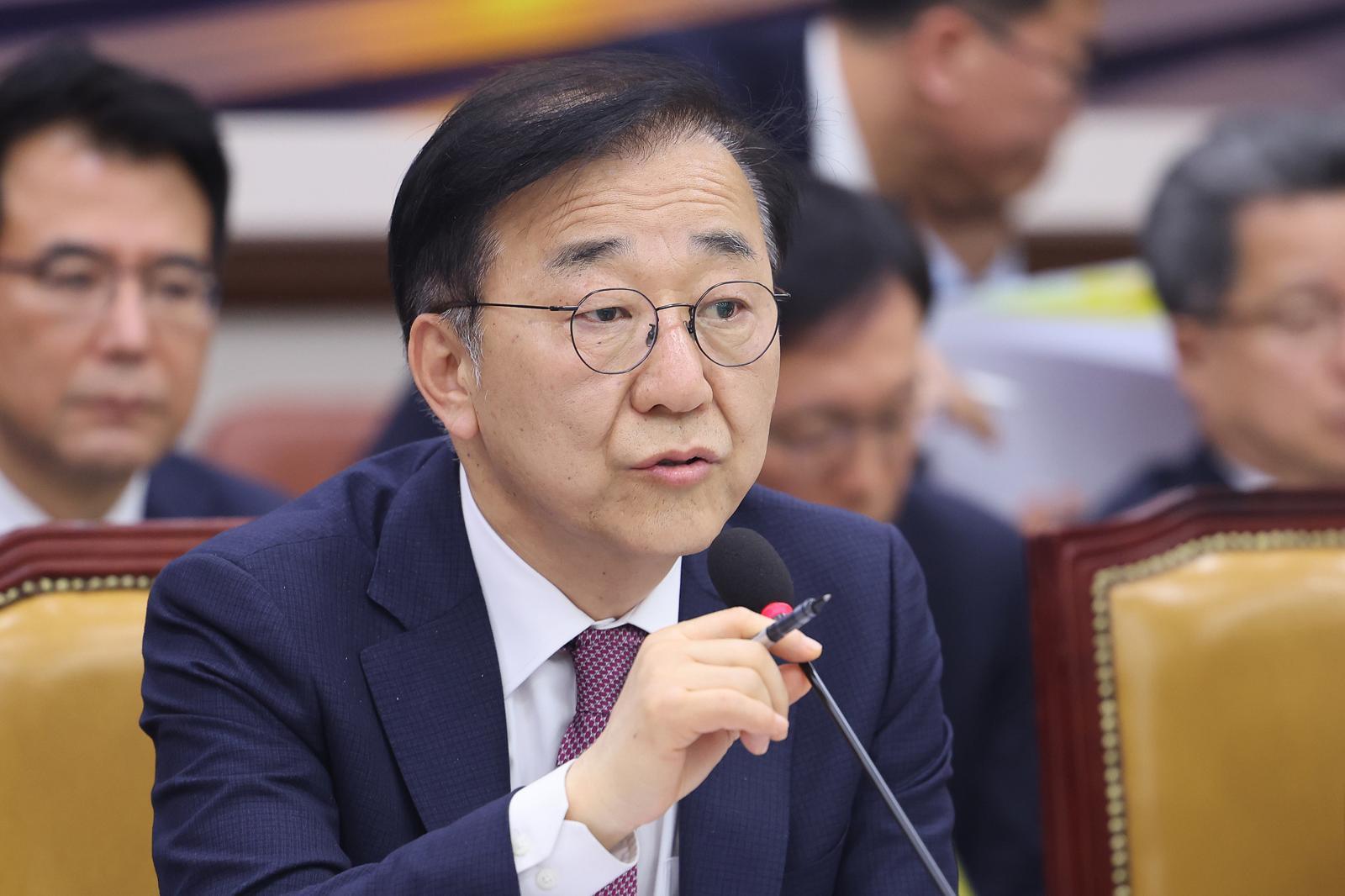
Minister of Land, Infrastructure, and Transport Kim Hyun-mee, however, downplayed the direct impact of the capital gains tax on housing prices, stating it's just one of many factors. She argued that market dynamics, driven by expectations of price increases or decreases, are the primary determinants of selling behavior. This perspective suggests the government believes the market will self-regulate, rather than being solely dictated by the tax policy. From our vantage point, this policy's reintroduction is a critical development, reflecting a complex interplay between government intervention, market speculation, and the persistent issue of housing affordability in South Korea.
Before May 9, the capital gains tax was 562.75 million won. After this date, for a second-home owner, it will be 1.07495 billion won, and for a third-home owner, it will be 1.25149 billion won.
DistantNews Editorial
Originally published by Hankyoreh in Korean. Translated, summarized, and contextualized by our editorial team with added local perspective. Read our editorial standards.
More Stories


From Our Blog

What Gets Lost (and Found) When News Is Translated

The Critical Role of Diaspora Media in Global News

What Travellers Should Know About Countries with Restricted Press

A Digital Nomad's Guide to Following Local News

How the Same Story Looks Different in Different Countries
