

High Courts Out of Vienna!
Translated from German, summarized and contextualized by DistantNews.
At a glance
Opinion
Named sources
Context piece
- The article argues for decentralizing Austria's highest courts and judicial institutions away from the capital, Vienna.
- It cites examples from Germany, Switzerland, and the Czech Republic where high courts are located outside their respective capitals.
- The author suggests this move could enhance judicial independence, improve public trust, and lead to more consistent rulings across the country.
The Austrian government's reform partnership, while conceptually sound, has often resulted in underwhelming outcomes, particularly the recent military service reform which was significantly diluted by the smallest governing party. This suggests a potential overestimation of capabilities within certain political factions.
A long-standing debate revolves around the judiciary, a cornerstone of the separation of powers. While the executive and legislative branches naturally interact, the judiciary requires maximum independence. This independence can be physically manifested through geographical separation from the capital, a model successfully implemented in other European nations. Germany, for instance, strategically places its Federal Constitutional Court and Federal Court of Justice in Karlsruhe, its Federal Administrative Court in Leipzig, and other high courts in cities like Kassel, Munich, and Erfurt. Similarly, Switzerland's Federal Supreme Court is in Lausanne, and the Czech Republic's highest courts are situated in Brno, not Prague.
Not all central institutions have to be located in Vienna.
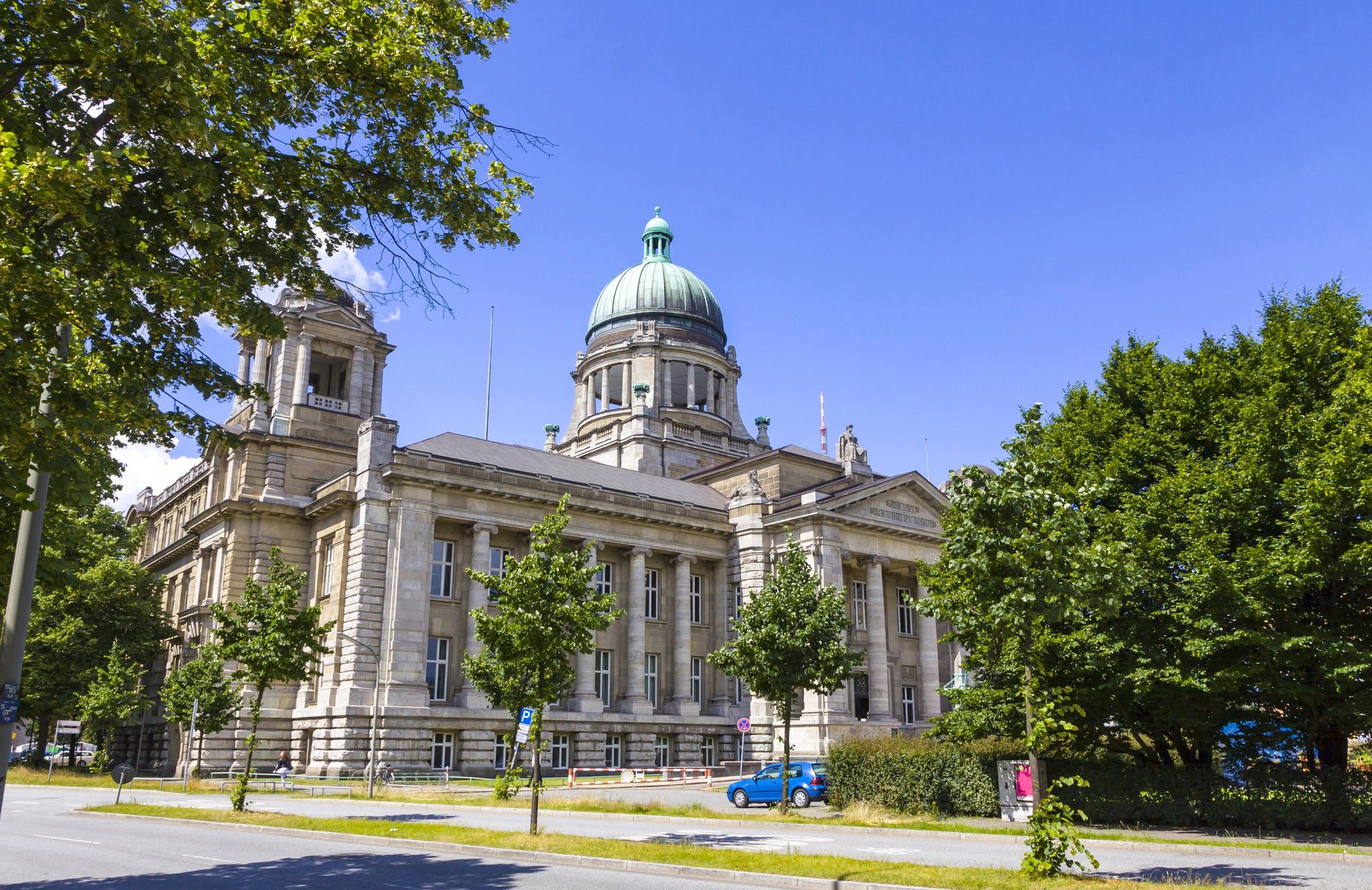
Applying this logic to Austria, the article proposes that not all central institutions need to reside in Vienna. The establishment of a federal public prosecutor's office could serve as a catalyst for relocating this institution to a different city. The author, a Viennese native, emphasizes this is not an anti-Vienna sentiment but a call for a fresh perspective. A new location could offer novel insights into legal matters. Further, the article advocates for moving the Constitutional Court, Administrative Court, and Supreme Court to different cities, arguing for a spatial separation of prosecutors and judges, particularly in the highest instances.
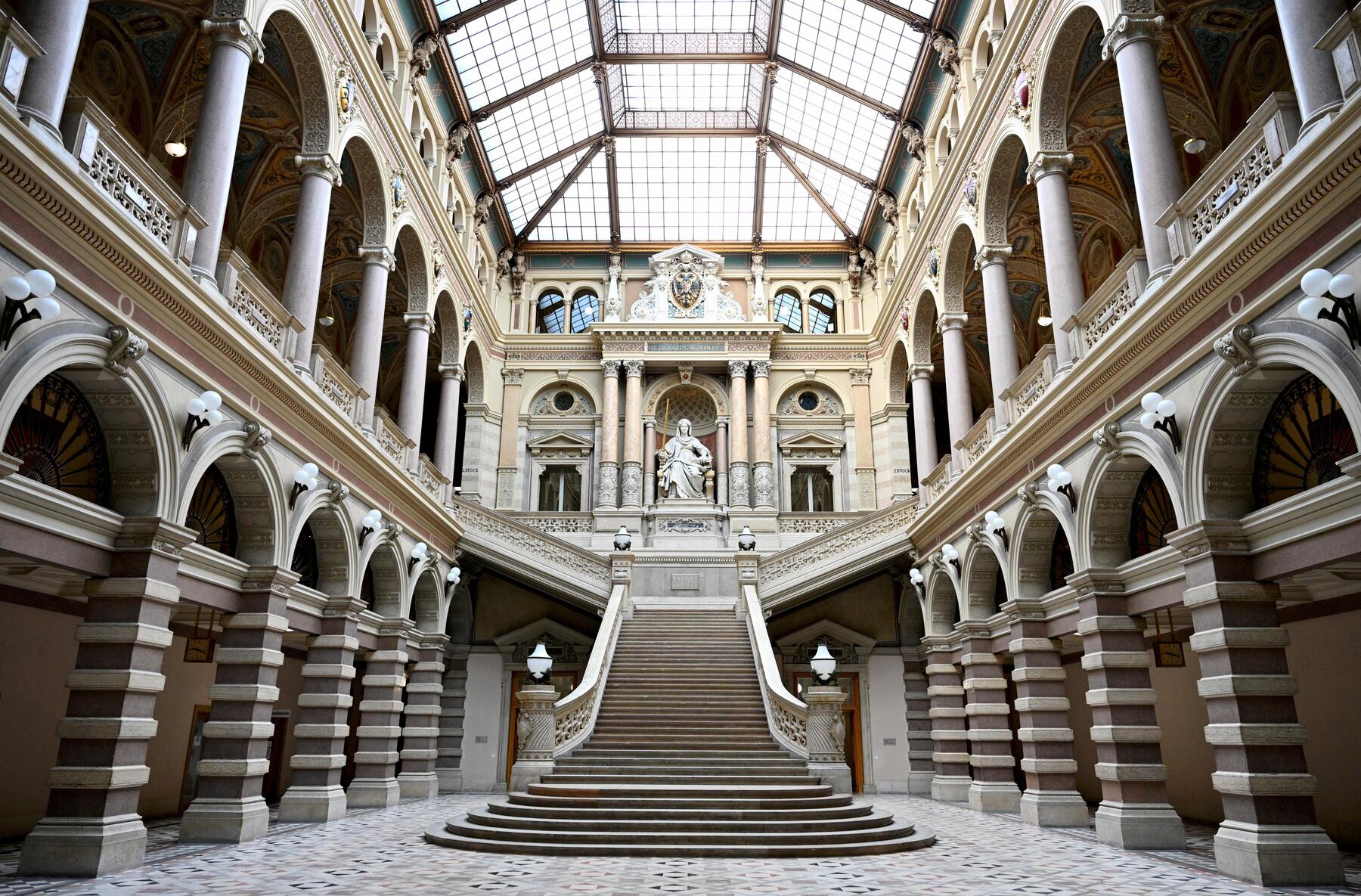
This proposed separation aims to address recurring concerns from lawyers about the frequent encounters between prosecutors and judges in Vienna's "Grey House." Such proximity, whether intentional or not, can influence their actions. The reforms are presented as more than symbolic; they could foster greater uniformity in judgments nationwide, mitigating past criticisms of inconsistent jurisprudence and ultimately bolstering public confidence in the justice system. The author draws a parallel to the establishment of St. Pölten as the capital of Lower Austria, an idea once deemed impossible but now a celebrated reality.
The proposal is not directed against Vienna. I am a Viennese and have spent my entire life in Vienna.
DistantNews Editorial
Originally published by Die Presse in German. Translated, summarized, and contextualized by our editorial team with added local perspective. Read our editorial standards.
More Stories


From Our Blog

What Gets Lost (and Found) When News Is Translated

The Critical Role of Diaspora Media in Global News

What Travellers Should Know About Countries with Restricted Press

A Digital Nomad's Guide to Following Local News

How the Same Story Looks Different in Different Countries
