


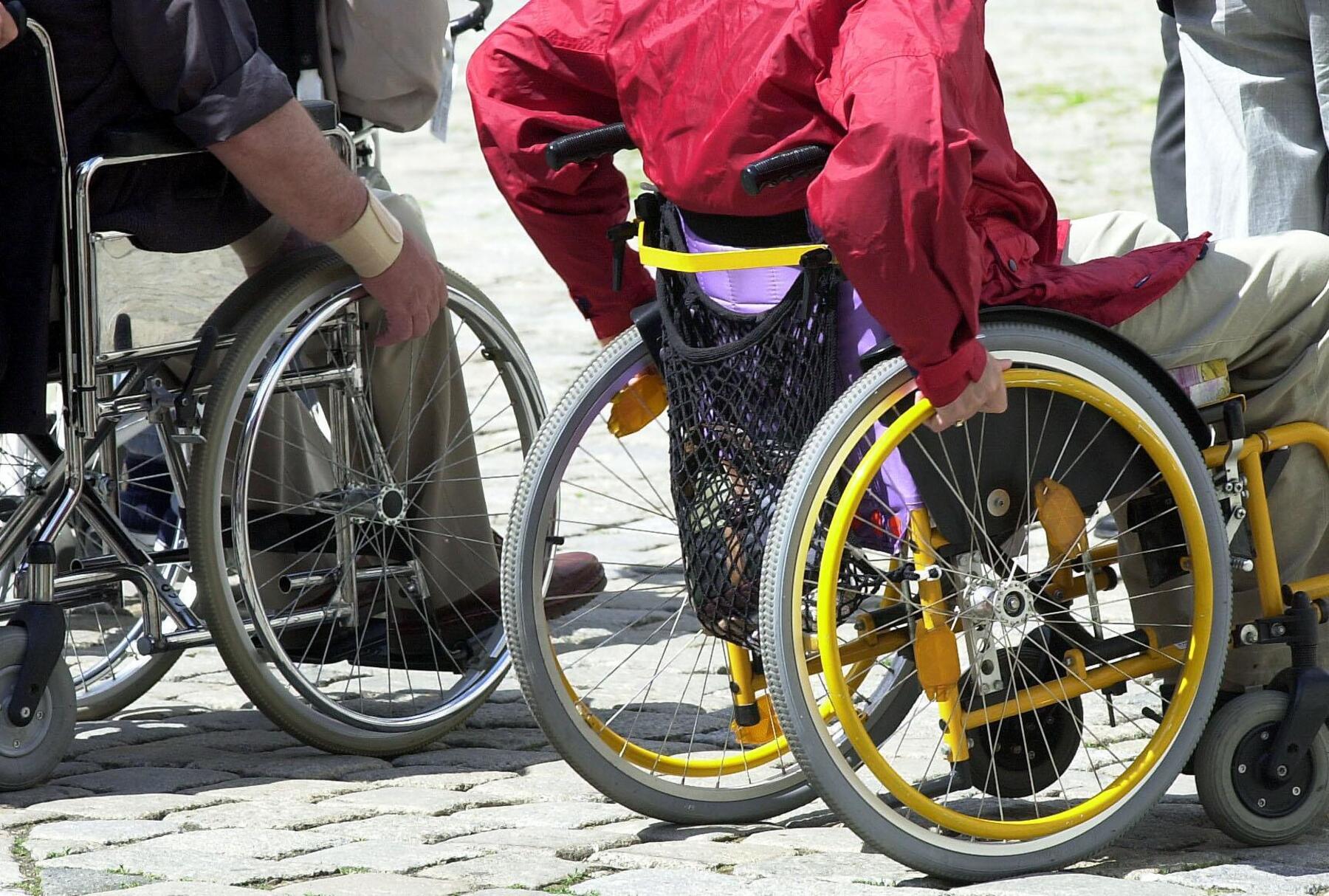
Woodchip flooring lawsuit: Wheelchair user's discrimination claim rejected by Supreme Court
Translated from German, summarized and contextualized by DistantNews.
At a glance
News
Named sources
Outcome reported
- A wheelchair user sued for compensation after feeling discriminated against at the Rieder Volksfest due to woodchip flooring.
- The court ruled that the flooring served a legitimate safety purpose, making it difficult for dropped glasses to break and reducing slipping hazards.
- The Supreme Court upheld the lower courts' decisions, rejecting the man's claim for damages.
A man who uses a wheelchair felt discriminated against at the Rieder Volksfest in 2023, leading to a lawsuit for compensation. He claimed that upon entering a beer tent, woodchips became lodged in his wheelchair's tires and under his fingernails, causing injury. "I got very annoyed when I drove in," he stated, adding that the woodchips "got caught in my tires and under my fingernails. I even bled." He sought 1,000 euros in damages.
As I drove in, I got very annoyed. When I was five meters inside, the woodchips had already gotten caught in my tires and under my fingernails. I even bled.
The defense, represented by the "Edelweiß Alm" gastro manager, argued that assistance would have been offered had the man asked for it. They contended that the woodchip flooring served a legitimate safety goal, reducing the risk of breakage from dropped glasses and minimizing slipping hazards. The manager also noted that rubber mats, often used for accessibility, could present higher tripping risks due to their edges.
Assistance would have been offered to the wheelchair user if he had asked for it.
Both the district and regional courts dismissed the lawsuit. The man then appealed to the Supreme Court (OGH). Even a request for a stay of proceedings to find a new legal representative did not alter the outcome. The OGH confirmed the lower courts' decisions, emphasizing that a change in legal representation would not grant him a new right of appeal. The case highlights the tension between accessibility needs and practical safety considerations at public events.
A change in legal representation would not grant the man a new right of appeal.
DistantNews Editorial
Originally published by Die Presse in German. Translated, summarized, and contextualized by our editorial team with added local perspective. Read our editorial standards.
More Stories



From Our Blog

What Gets Lost (and Found) When News Is Translated

The Critical Role of Diaspora Media in Global News

What Travellers Should Know About Countries with Restricted Press

A Digital Nomad's Guide to Following Local News

How the Same Story Looks Different in Different Countries
