

High Fire Risk Alert Issued for Multiple Regions in Greece, Including Attica
Translated from Greek, summarized and contextualized by DistantNews.
At a glance
News
Official statement
Context piece
- Greece's Civil Protection issues a high fire risk warning (Category 3) for several regions on Thursday, July 2, 2026.
- Areas including Attica, Kythira, Boeotia, Phocis, and parts of the Peloponnese and Ionian Islands are particularly at risk.
- Authorities urge extreme caution, especially in forests where dry thunderstorms could ignite fires, and remind citizens to report any fire outbreaks immediately.
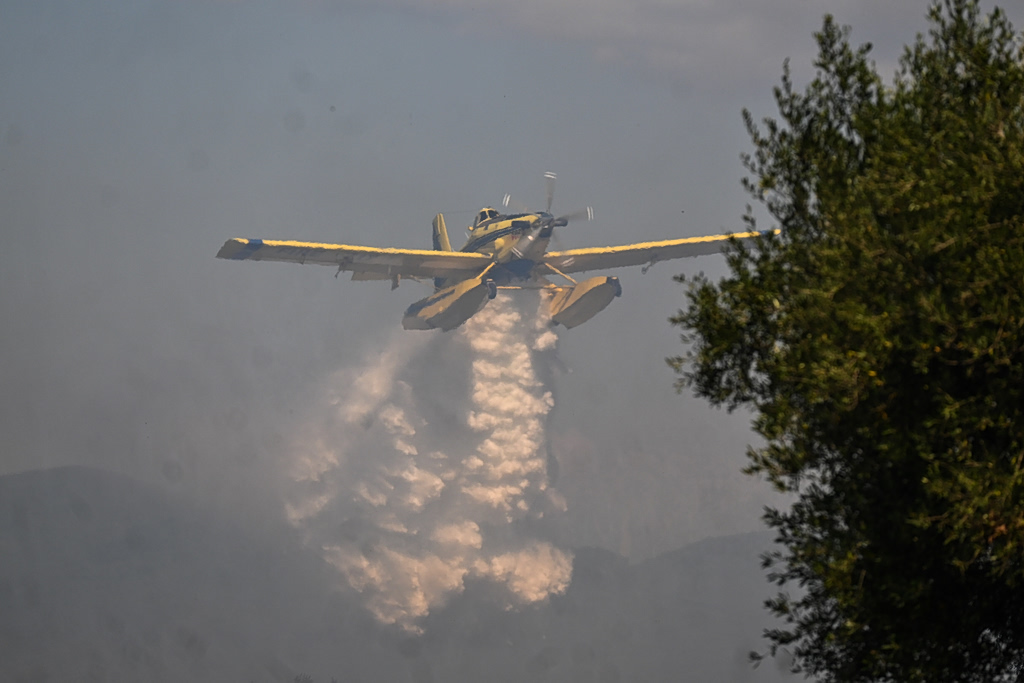
Greece's Civil Protection has issued a high fire risk warning, placing several regions under Category 3 alert for Thursday, July 2, 2026. The forecast highlights extensive zones across the country facing a significant threat of wildfires, indicated by yellow on the risk map.
The areas most affected include Attica and the Kythira islands, Boeotia, Phocis, Aetolia-Acarnania, Argolis, Corinthia, and specific regions within Achaea, Elis, Messenia, Laconia, and Phthiotis. Additionally, Lefkada, Kefalonia, Ithaca, Zakynthos, and parts of Rhodes are also under high alert. While other areas face a moderate risk (Category 2, blue on the map), a general state of vigilance remains across the nation.
Authorities are particularly concerned about the traditionally vulnerable Attica region, along with parts of Central Greece and the Peloponnese, as well as island clusters. A special emphasis is placed on the risk posed by dry thunderstorms, where lightning strikes in forest areas could rapidly ignite fires, complicating detection and response efforts.
The Civil Protection is appealing to the public for heightened caution. Citizens are urged to avoid any activities in outdoor areas that could inadvertently start a fire, such as burning dry grass, operating machinery that produces sparks, discarding lit cigarettes, or using open-air barbecues. In the event of spotting a fire, immediate reporting to the Fire Service at 199 or the European emergency number 112 is crucial.
DistantNews Editorial
Originally published by Ta Nea in Greek. Translated, summarized, and contextualized by our editorial team with added local perspective. Read our editorial standards.
More Stories
From Our Blog

What Gets Lost (and Found) When News Is Translated

The Critical Role of Diaspora Media in Global News

What Travellers Should Know About Countries with Restricted Press

A Digital Nomad's Guide to Following Local News

How the Same Story Looks Different in Different Countries
