


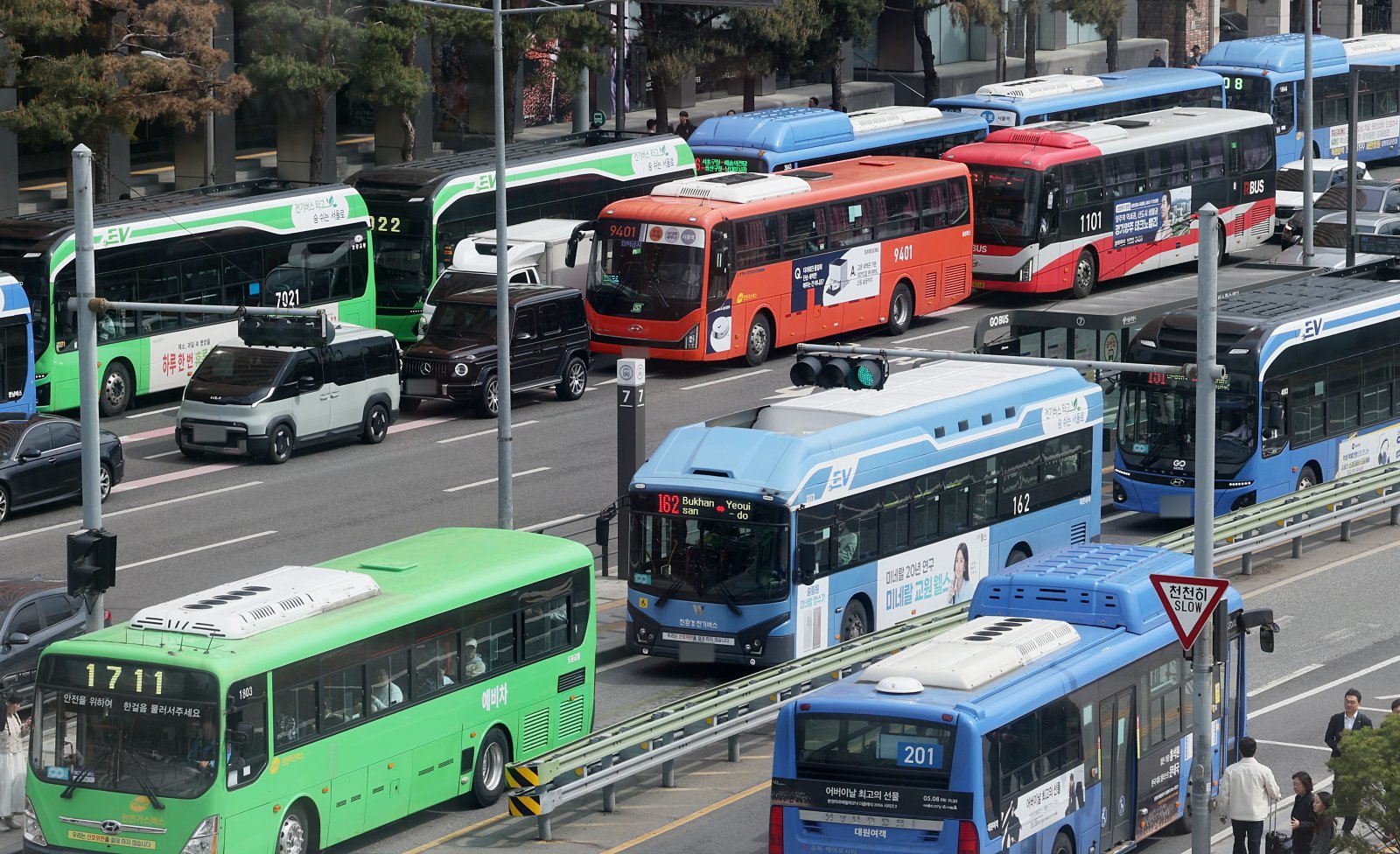
High Fuel Prices Swell Public Transport; Services to Be Expanded to Ease Congestion
Translated from Korean, summarized and contextualized by DistantNews.
TLDR
- South Korea is increasing bus and subway services during peak hours to alleviate severe congestion caused by rising fuel prices.
- The government is also expanding incentives for staggered commuting and considering further measures like vehicle restrictions if fuel prices escalate.
- These steps aim to reduce overcrowding on public transport, which has seen a significant increase in ridership.
As fuel prices surge due to Middle Eastern tensions, the strain on South Korea's public transportation system has become acutely apparent. The Ministry of Land, Infrastructure and Transport has unveiled a comprehensive plan to combat the worsening commute congestion, a direct consequence of increased reliance on public transit. This initiative reflects a proactive approach by the government to ensure the smooth functioning of daily life amidst economic pressures.
The measures include a significant boost in train and bus services in heavily trafficked areas, alongside an expansion of the 'Modu Card' benefits, which offers refunds for public transport usage. The government's decision to increase the frequency of services on 196 Seoul bus routes and specific subway lines, such as the Shinbundang Line and Seoul Subway Lines 2 and 7, demonstrates a clear commitment to easing the burden on commuters. The extension of express train services on the Gyeongin Line further illustrates the targeted efforts to address specific congestion points.
Beyond immediate service enhancements, the government is exploring broader strategies. The potential expansion of the 'two-day driving ban' and 'five-day parking ban' to the private sector, should the oil price alert level be raised to 'severe,' signals a readiness to implement more stringent measures if necessary. Furthermore, the introduction of special insurance policies offering discounts for reduced car usage aims to encourage voluntary participation in conservation efforts. The push for staggered work hours in public institutions and recommendations for flexible work arrangements in the private sector are also crucial components of this multi-faceted strategy.
From our perspective at Dong-A Ilbo, these measures are not just about managing traffic; they are about ensuring economic stability and public well-being. While international news might focus on the geopolitical drivers of oil prices, our primary concern is the immediate impact on the lives of ordinary South Koreans. The government's swift and comprehensive response, balancing service improvements with demand management, is a testament to its dedication to mitigating the effects of this global challenge on our citizens. The success of these measures will depend on effective implementation and public cooperation, but the intention to prioritize the commuter experience is clear.
We will increase bus and subway services to reduce congestion.
DistantNews Editorial
Originally published by Dong-A Ilbo in Korean. Translated, summarized, and contextualized by our editorial team with added local perspective. Read our editorial standards.
More Stories


From Our Blog

What Gets Lost (and Found) When News Is Translated

The Critical Role of Diaspora Media in Global News

What Travellers Should Know About Countries with Restricted Press

A Digital Nomad's Guide to Following Local News

How the Same Story Looks Different in Different Countries
