


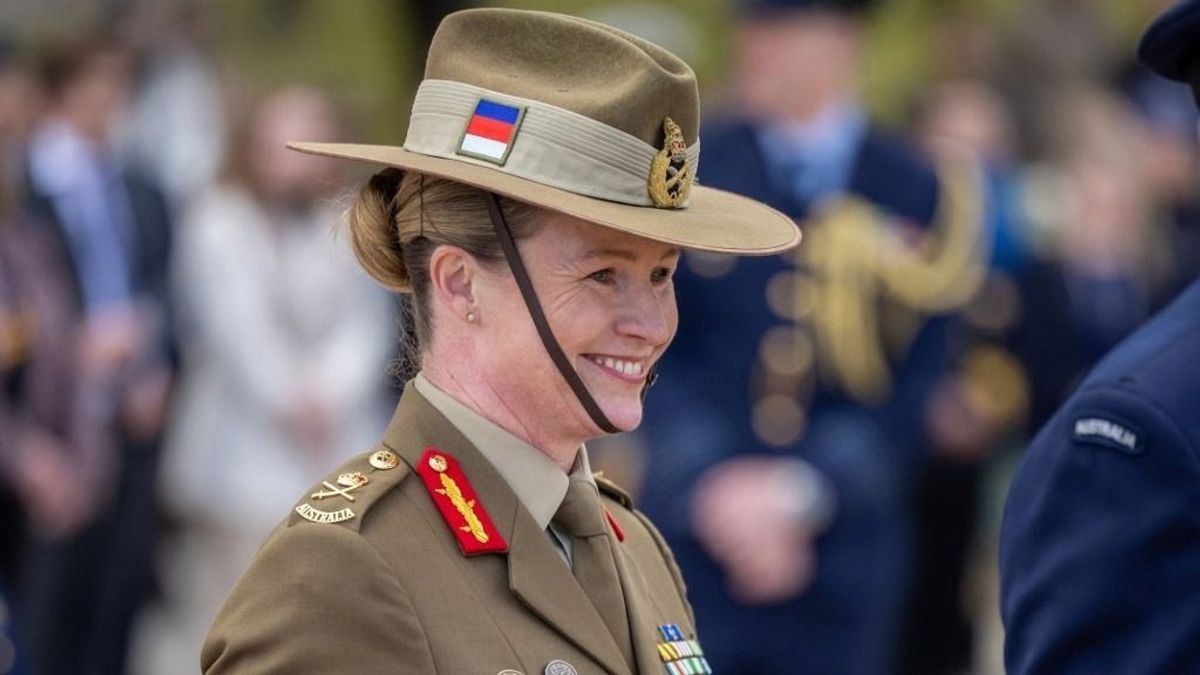
Historic decision in Australia: A woman will lead the army for the first time
Translated from Hungarian, summarized and contextualized by DistantNews.
TLDR
- Australia's army will be led by a woman for the first time in its 125-year history, with the appointment of Lieutenant General Susan Coyle.
- This historic decision is part of a broader reform aimed at increasing the representation of women in the Australian Defence Force (ADF).
- The move also addresses past criticisms of systemic sexual harassment and discrimination within the military.
In a landmark moment for Australia's military, Lieutenant General Susan Coyle is set to become the first woman to lead the Australian Army. Prime Minister Anthony Albanese highlighted the historical significance of this appointment, noting it is the first time in the army's 125-year existence that a woman will hold the top position.
Defence Minister Richard Marles echoed this sentiment, calling it a "profoundly historic moment" that sends a powerful message to women currently serving and those considering a career in the armed forces. Coyle, who joined the army in 1987, has held numerous senior command roles throughout her distinguished career. Her appointment makes her the first woman to lead not only the army but also any arm of the broader Australian Defence Force (ADF).
This is the first time in the 125-year history of the Australian Army that a woman will lead it.
This significant leadership change is embedded within a wider reform agenda by the ADF to boost female representation. Currently, women constitute about 21% of the total force and hold 18.5% of leadership positions. The goal is to increase this proportion to 25% by 2030.
The push for greater gender equality in the military comes in the wake of serious allegations of systemic sexual harassment and discrimination. Last October, a class-action lawsuit was filed, alleging that the ADF failed to adequately protect its female soldiers. The leadership transition, including appointments to the navy and the ADF itself, signals a commitment to addressing these deeply rooted issues and fostering a more inclusive environment.
This is a profoundly historic moment, and it sends a powerful message to women who are currently serving and who aspire to serve in the future.
DistantNews Editorial
Originally published by Magyar Nemzet in Hungarian. Translated, summarized, and contextualized by our editorial team with added local perspective. Read our editorial standards.
More Stories


From Our Blog

Countries Without a Free Press: What You Need to Know

What Press Freedom Means for the News You Read

What Gets Lost (and Found) When News Is Translated

The Critical Role of Diaspora Media in Global News

What Travellers Should Know About Countries with Restricted Press
