


Ho Chi Minh City seeks smart solutions prioritizing people, not just tech
Translated from Vietnamese and summarized by DistantNews. Read the original for the full story.
At a glance
News
Sources not specified
New plan
- Ho Chi Minh City faces significant urban management challenges due to rapid urbanization and a population of 14 million.
- Experts emphasize that smart city development must prioritize people and communities, not just technology.
- Successful smart city models, like those in South Korea and Singapore, require strong human capital development and clear policy roadmaps.
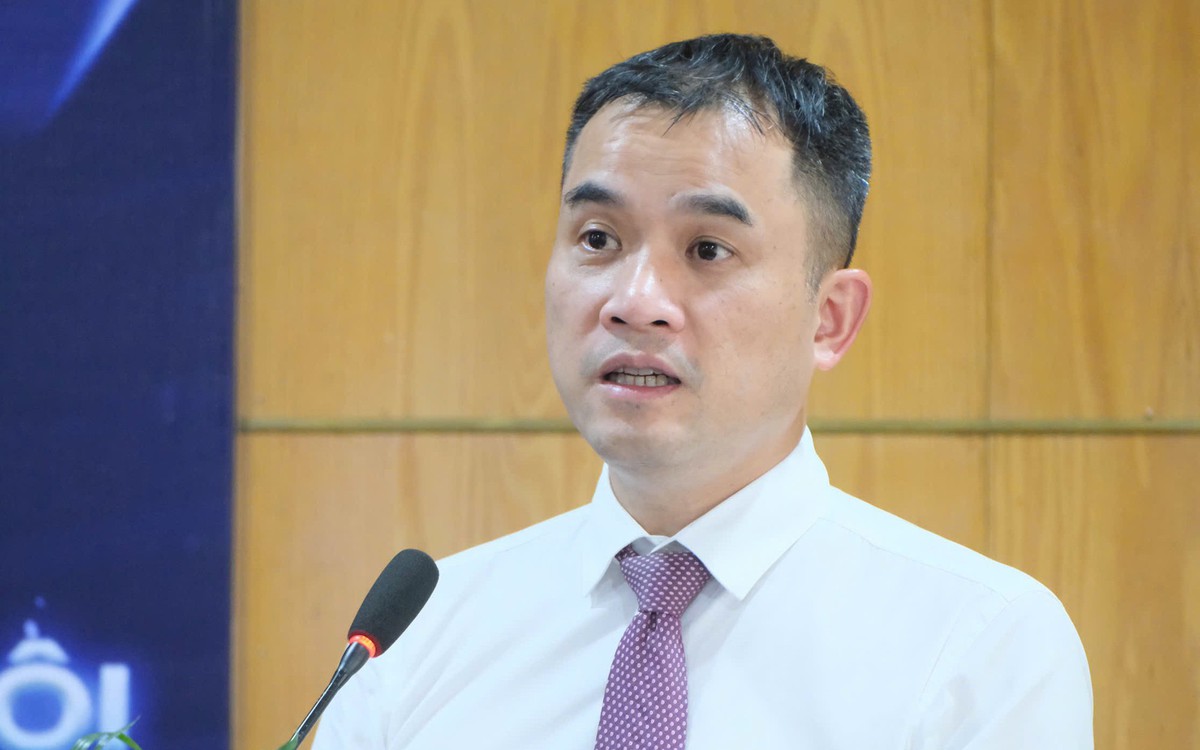
Ho Chi Minh City is at a critical juncture, grappling with the pressures of rapid urbanization and managing a metropolis of 14 million people across over 6,700 square kilometers. The city's Deputy Director of the Department of Science and Technology, Nguyen Ky, highlighted the immense challenges in population, infrastructure, and urban governance during a workshop on smart cities.
Smart city: Where data and governance intersect
While the city has implemented digital transformation initiatives and developed 'digital twins' to address issues like traffic congestion and flooding, many complex problems remain unsolved. Experts were called upon to tackle challenges related to integrating and cleaning large-scale data post-merger, ensuring data security, and making AI and smart city applications accessible to the general population.
However, the focus of smart city development should not solely be on technology, according to Associate Professor Trinh Tu Anh, Director of the Institute for Smart City and Management at UEH. She stressed that a human-centric approach is crucial, noting that past models often overlooked community involvement, leading to solutions that lacked social consensus or failed to meet real needs.
If we want citizens to participate in digital transformation, we must invest heavily in education and raising technological awareness.
Drawing lessons from South Korea and Singapore, Tu Anh pointed out that success hinges not only on financial resources but also on strategic human capital development, clear policy pathways, and sustained commitment across different administrations. Singapore's approach, for instance, balances infrastructure development with residents' quality of life, ensuring access to green spaces and a comfortable living environment, rather than just dense high-rises.
Not everyone wants to live amidst densely packed high-rise buildings. People still need green spaces, open environments, and quality of life.
About this summary
Originally published by Tuổi Trẻ in Vietnamese. Translated, summarized, and contextualized automatically by DistantNews, with a note on how the source frames the story. Not individually reviewed before publishing. How this works.
More Stories


From Our Blog

News in Translation: What Gets Lost, and How We Keep the Framing

Diaspora Media: How Communities Abroad Follow Home

Traveling Where the Press Is Not Free: How to Read the News There

The Digital Nomad's Guide to Local News

The Same Story, Different Countries: How Coverage Changes at the Border
