


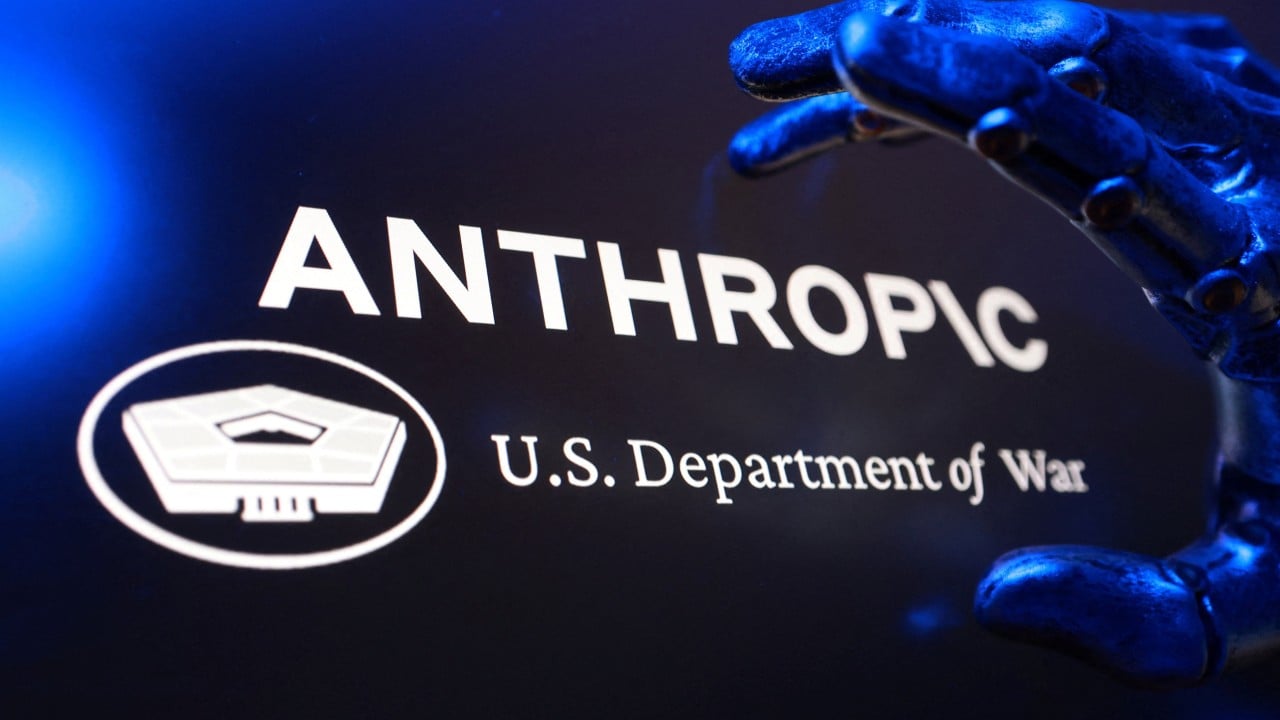
Hong Kong can take the regulatory high road amid US-China AI decoupling
Summarized and contextualized by DistantNews.
At a glance
Analysis
Sources not specified
Context piece
- China's Zhipu AI saw its shares surge after releasing an open-source AI model, demonstrating strong market performance despite US technology containment efforts.
- The US Commerce Department ordered Anthropic to block foreign access to its AI models, causing the company to shut down services globally and impacting its own staff.
- The article argues that Washington's techno-nationalist strategy of treating software like hardware is flawed, as code's instant movement encourages other nations to develop alternative technologies faster.
Hong Kong's stock market has witnessed a significant surge in the shares of Chinese artificial intelligence pioneer Zhipu AI, following its announcement of the open-source release of its GLM-5.2 foundation model. The company, trading as Knowledge Atlas Technology, saw its shares climb 48 percent intraday on June 15, and continued its rally this week, reaching an intraday high of HK$2,980 (US$380) on June 22. This surge briefly propelled its market capitalization past HK$1.2 trillion, marking a 25-fold increase since its January debut.
This market activity unfolds against the backdrop of a starkly contrasting move by the United States. On June 12, the US Commerce Department intervened, ordering California-based AI company Anthropic to restrict foreign access to its new Fable 5 and Mythos 5 models. Due to the practical difficulties in verifying user nationalities in real-time, Anthropic was compelled to shut down these flagship models globally for all users. The company also had to block its non-American employees and downgrade affected subscribers to an older model.
While Washington cited a "jailbreak" security vulnerability as the reason for the intervention, Anthropic's own technical review indicated that the exploit involved only minor flaws present in other publicly available models. This situation is described as profoundly ironic, given that Anthropic had actively supported and lobbied for stricter US export controls. The company now finds itself ensnared by the very regulatory framework it helped to establish, exposing a fundamental weakness in the techno-nationalist approach.
The article contends that Washington's strategy of treating advanced software models like physical nuclear components is fundamentally flawed. Unlike hardware, software code can move instantaneously across borders. Denying access to AI models in one nation simply incentivizes other countries to accelerate their own development of alternative technologies. This systematic approach by Washington, which began with restricting Nvidia's advanced silicon and expanding its blacklist since October 2022, has now extended to encompassing foundational open-source models under its restrictive umbrella, globalizing these controls.
DistantNews Editorial
Originally published by South China Morning Post. Summarized and contextualized by our editorial team with added local perspective. Read our editorial standards.
More Stories


From Our Blog

Countries Without a Free Press: What You Need to Know

What Press Freedom Means for the News You Read

What Gets Lost (and Found) When News Is Translated

The Critical Role of Diaspora Media in Global News

What Travellers Should Know About Countries with Restricted Press
