

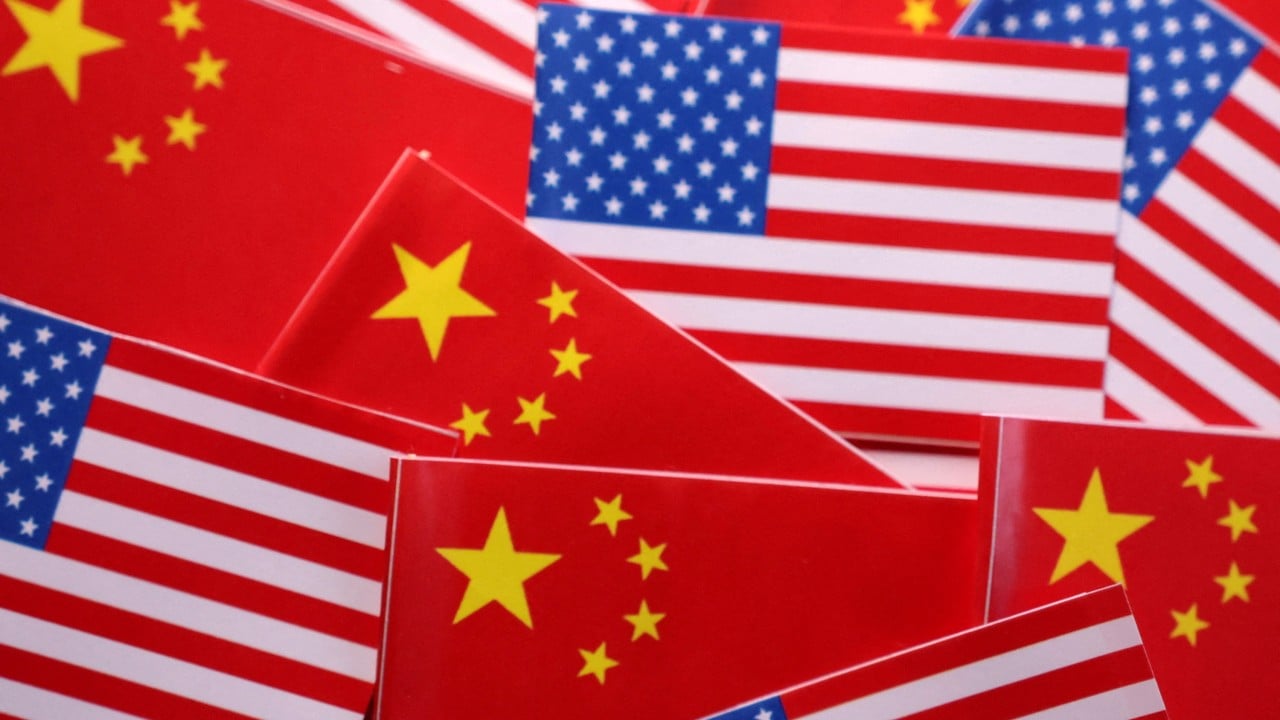
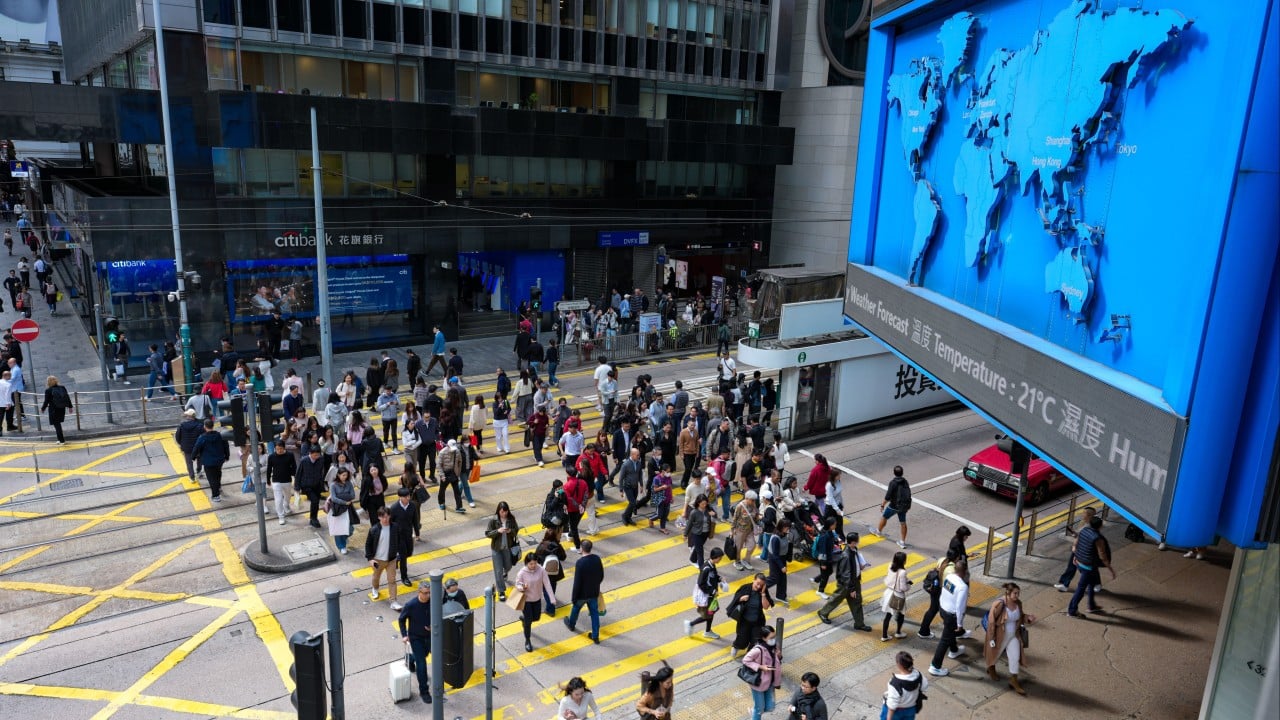
Hong Kong's potential as an international relations hub hindered by structural gaps
Translated from English, summarized and contextualized by DistantNews.
TLDR
- Hong Kong possesses significant talent and institutions for international relations studies but lacks a structural framework to be a major hub.
- Historical factors, including British colonial rule, shaped Hong Kong's academic development but prevented the establishment of its own foreign policy apparatus.
- Unlike global hubs like New York or Singapore, Hong Kong's international relations field evolved academically rather than as a policy-oriented ecosystem linked to decision-making.
Hong Kong, often lauded as a 'superconnector' between China and the world, presents a curious paradox in the field of international relations. Despite boasting internationally trained scholars and robust academic institutions engaged in regional security and area studies, the city has yet to emerge as a preeminent global hub for the discipline, falling short of the prominence achieved by cities like New York or Singapore. This is not a deficit of intellectual capacity but rather a consequence of structural limitations shaped by its unique history and geography.
The legacy of British colonial rule is a significant factor. While it fostered a world-class higher education system deeply integrated into global academia, it also meant that Hong Kong never developed its own independent foreign policy apparatus. Critical decisions regarding diplomacy, strategy, and international engagement were historically made externally, leaving the study of international relations to evolve primarily as an academic pursuit, often overlapping with China studies or political science. This structural absence of a policy-oriented ecosystem, directly linked to real-time decision-making, persists even today.
From a Hong Kong perspective, the potential for the city to become a more influential player in international relations discourse is evident. The existing talent pool and academic infrastructure provide a strong foundation. However, to truly transition from a globally connected, intellectually vibrant center to a structurally influential hub, a more deliberate effort is needed to bridge the gap between academic research and policy-oriented engagement. This involves fostering an environment where local expertise can actively shape and contribute to the broader foreign policy debate, moving beyond its current peripheral status in this crucial domain.
DistantNews Editorial
Originally published by South China Morning Post in English. Translated, summarized, and contextualized by our editorial team with added local perspective. Read our editorial standards.
More Stories

From Our Blog

Countries Without a Free Press: What You Need to Know

What Press Freedom Means for the News You Read

What Gets Lost (and Found) When News Is Translated

The Critical Role of Diaspora Media in Global News

What Travellers Should Know About Countries with Restricted Press
