

Houthis’ war of leverage: How trade routes became weapon
Summarized and contextualized by DistantNews.
At a glance
Analysis
Sources not specified
Ongoing story
- The Houthis are using maritime blockades as a primary military strategy, disrupting global trade and straining energy supplies.
- This tactic allows the Houthis to exert leverage over global powers, particularly the United States, while Gulf states prioritize economic stability over retaliation.
- The Houthis' deliberate timing and patience in escalating actions are key to their strategy of gaining regional influence and domestic legitimacy.
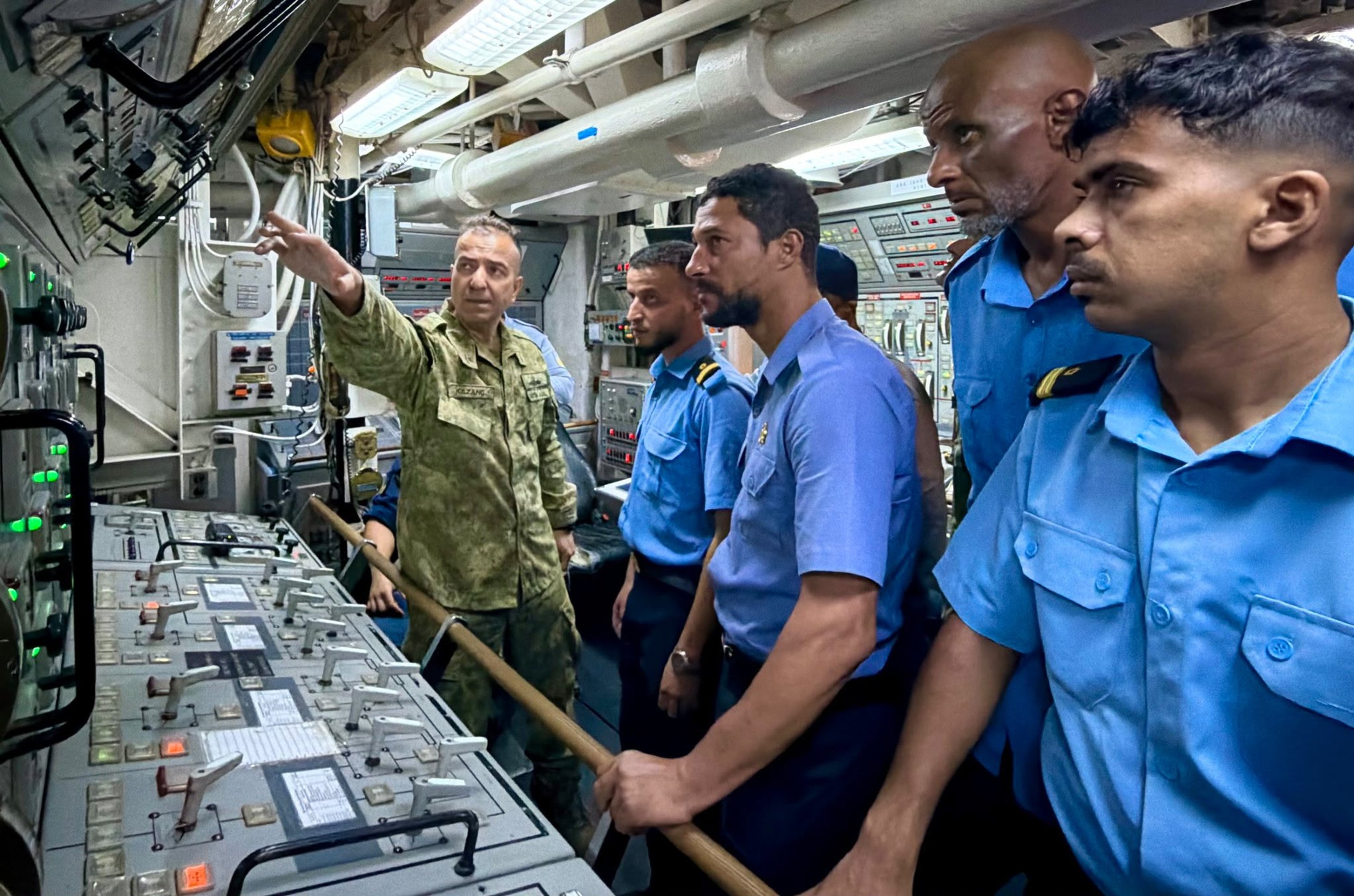
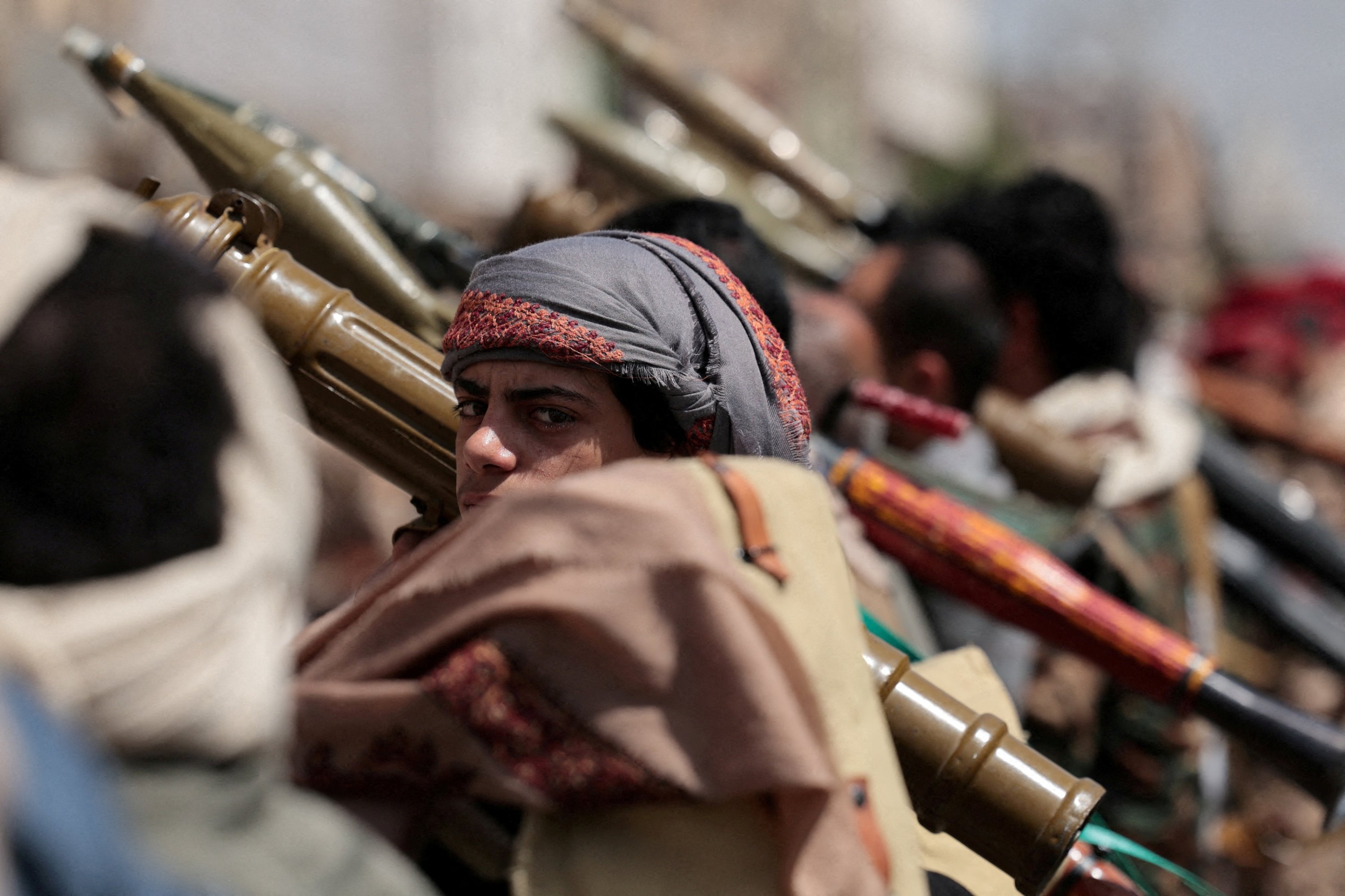
The Houthi movement has strategically weaponized global trade routes, transforming the Red Sea into a contested zone and the Bab el-Mandeb Strait into a passage most carriers now avoid. Instead of engaging in conventional warfare, the Houthis target commercial shipping, forcing vessels to reroute around the Cape of Good Hope. This adds thousands of miles to voyages, increases fuel costs, and prompts insurers to raise premiums, contributing to shortages in European and Asian markets and fueling inflation. The Houthis leverage this economic pressure to compel responses from Washington on their terms, stretching the U.S. Navy and diverting its focus from other regional priorities. This single tactic yields significant returns, including regional prestige, domestic mobilization, and bargaining power far exceeding their conventional military capabilities.
The Houthis' approach is characterized by deliberate patience, with escalations timed to coincide with wider regional developments and specific thresholds being crossed. This strategy is enabled by the Gulf states' prioritization of economic survival over immediate retaliation. The movement operates with considerable autonomy, aligning its goals with Iran's broader regional strategy while waiting for opportune moments to act. This dynamic explains why Houthi actions now significantly influence Gulf security trajectories and why both sides are constrained by unspoken limits.
This strategy has also created a parallel crisis for Saudi Arabia and the United Arab Emirates, nations heavily invested in economic stability. The Houthis' ability to disrupt international trade and energy supply chains has placed sustained pressure on the global economy, demonstrating their capacity to project influence far beyond Yemen's borders. Their calculated use of economic disruption as a primary military instrument underscores a sophisticated approach to asymmetric warfare, where leverage is gained not through direct confrontation but through the manipulation of global economic vulnerabilities.
DistantNews Editorial
Originally published by Daily Sabah. Summarized and contextualized by our editorial team with added local perspective. Read our editorial standards.
More Stories
From Our Blog

What Gets Lost (and Found) When News Is Translated

The Critical Role of Diaspora Media in Global News

What Travellers Should Know About Countries with Restricted Press

A Digital Nomad's Guide to Following Local News

How the Same Story Looks Different in Different Countries
