

Libya reset: Why US and Türkiye are moving toward cooperation
Summarized and contextualized by DistantNews.
At a glance
Analysis
Sources not specified
Context piece
- The U.S. is shifting its Libya policy towards cooperation with Türkiye, aiming to unify rival factions under a single governing umbrella.
- This new approach prioritizes power-sharing between the Dbeibah and Haftar families, focusing on economic stability and oil production.
- Key developments include a unified budget and a trilateral power-sharing agreement, signaling a potential shift away from traditional U.N.-led processes.
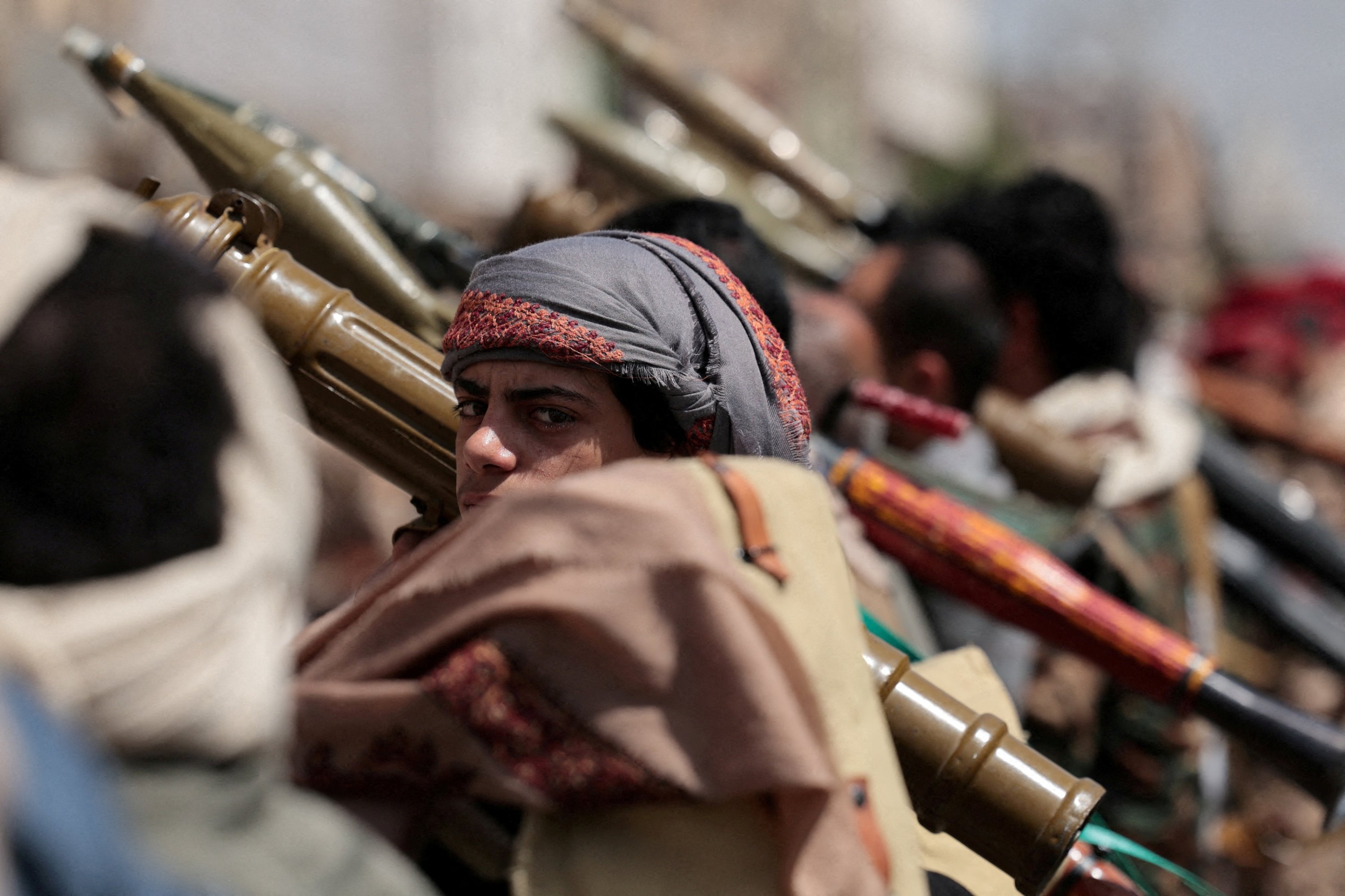
The United States and Türkiye are forging a new path in Libya, moving towards cooperation to stabilize the country after years of division. Following the 2011 NATO-backed intervention that ousted Muammar Gaddafi, Libya has been split between the U.N.-recognized Government of National Unity in Tripoli, led by Abdul Hamid Dbeibah, and the Libyan National Army in the east, controlled by the Haftar family. Türkiye's previous military involvement helped halt Khalifa Haftar's assault on Tripoli, establishing a fragile military equilibrium.
This year marks a significant shift, with conflicting parties signing Libya's first unified budget in 13 years in April. More recently, on June 18, a trilateral power-sharing agreement emerged, brokered directly by Washington rather than through the U.N. This development prompts questions about the drivers of U.S. policy changes, the influence of the war with Iran, and Türkiye's evolving role.
At the heart of the U.S. strategy is oil. The plan, spearheaded by Massad Boulos, senior adviser on Arab and Middle Eastern Affairs and Africa, aims to consolidate Libya's rival factions under one government. This is crucial because the internationally recognized government is in Tripoli, while the vital oil fields and export terminals are under Haftar's control. Without an agreement between the two sides, achieving large-scale investment and lasting stability remains elusive. The current approach appears to be less about promoting democracy and more about establishing a power-sharing formula between the Dbeibah and Haftar families.
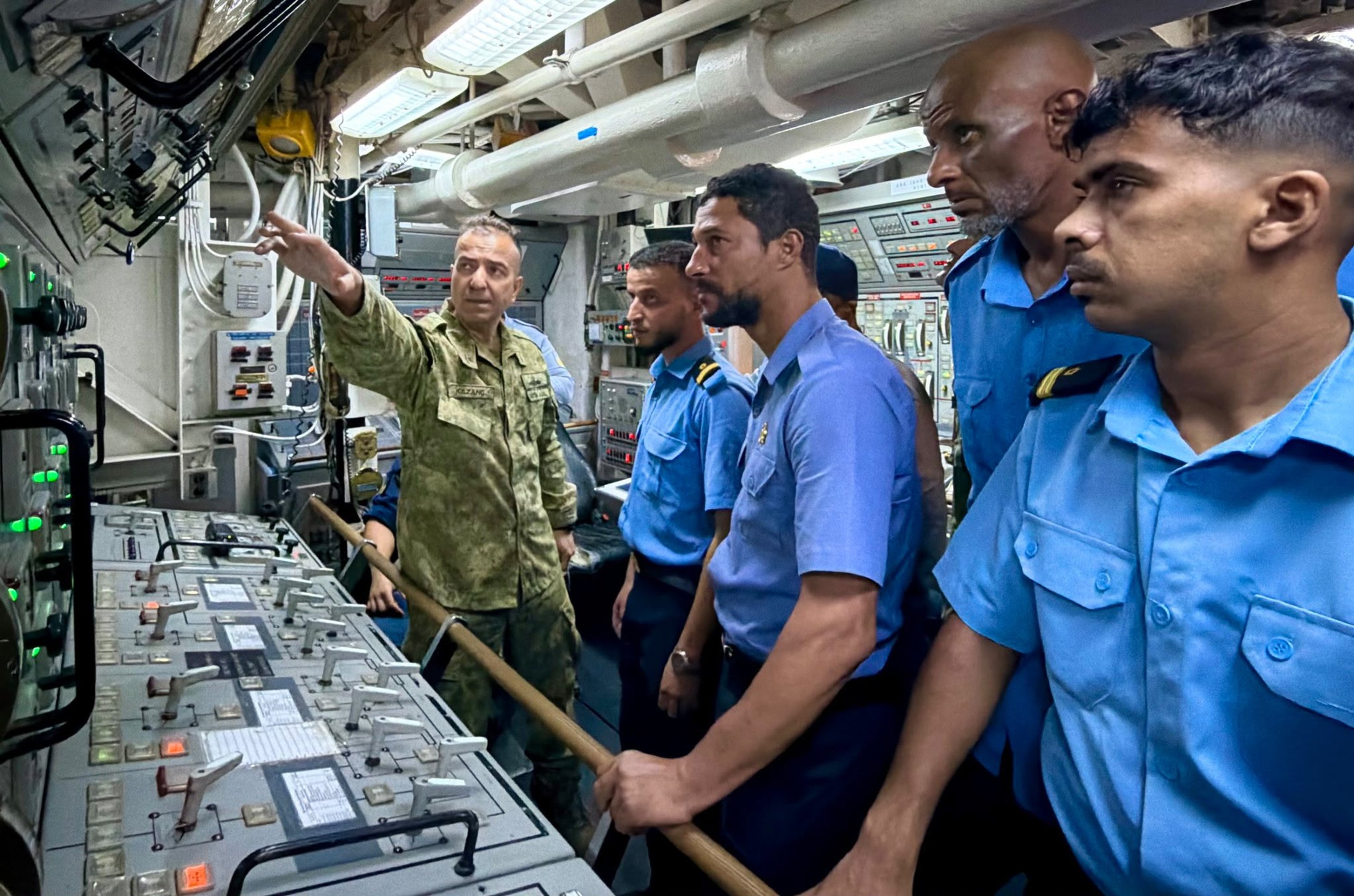
While publicly framed as inclusive, the practical priority is securing a formal power-sharing arrangement between the two dominant families. This focus explains why, despite a proposed election timetable for February 2027, the core of the deal involves a new Presidential Council led by Saddam Haftar, a Dbeibah-led government, and a division of military command along family and geographic lines, rather than unified institutions. Washington is pursuing this objective through diplomatic channels, economic engagement with energy majors signing multibillion-dollar deals, and military exercises like Flintlock 2026.
DistantNews Editorial
Originally published by Daily Sabah. Summarized and contextualized by our editorial team with added local perspective. Read our editorial standards.
More Stories
From Our Blog

What Gets Lost (and Found) When News Is Translated

The Critical Role of Diaspora Media in Global News

What Travellers Should Know About Countries with Restricted Press

A Digital Nomad's Guide to Following Local News

How the Same Story Looks Different in Different Countries
