

How AUR Came to Control All Power Plays
Translated from Romanian, summarized and contextualized by DistantNews.
TLDR
- The Social Democratic Party (PSD) plans to withdraw from the governing coalition and remove Prime Minister Ilie Bolojan, citing clientelistic interests.
- PSD leader Sorin Grindeanu's move risks public backlash, recalling a similar attempt in 2017 that led to his ousting as prime minister.
- Public trust in Grindeanu is low, while Bolojan maintains popularity despite austerity measures, making him a preferred choice for prime minister among voters.
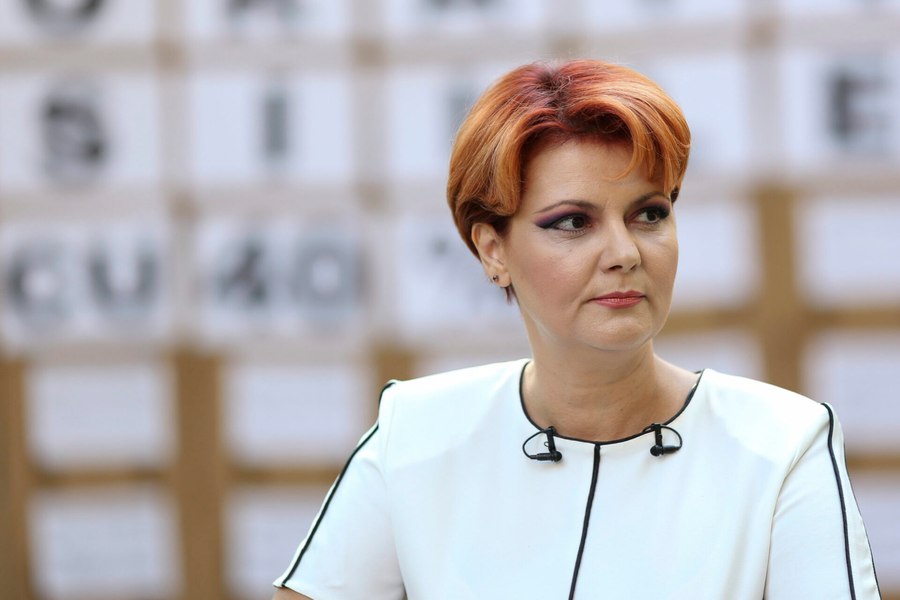
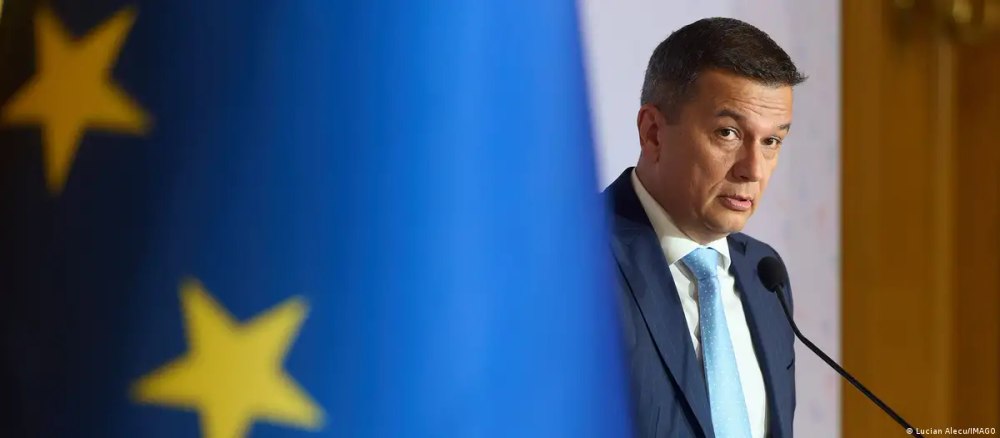
The political landscape in Romania is in turmoil as the Social Democratic Party (PSD) signals its intent to leave the governing coalition and oust Prime Minister Ilie Bolojan. PSD leader Sorin Grindeanu claims the party is ready to name a new prime minister, suggesting that Bolojan's policies have been detrimental or that clientelistic interests are at play.
The PSD believes it can quickly oust Ilie Bolojan from the head of the government to subsequently weaken his authority within the party and change the PNL's direction.
This maneuver by Grindeanu is fraught with risk, echoing past political struggles. In 2017, a similar attempt to push through controversial legislation under his premiership led to widespread public protests, forcing the government's hand and ultimately contributing to Grindeanu's downfall as prime minister. The article notes that Grindeanu currently suffers from extremely low public trust, with only 12% of Romanians having confidence in him, and a mere 4.7% wishing to see him as prime minister.
In stark contrast, Prime Minister Ilie Bolojan appears to maintain significant popularity despite implementing harsh austerity measures, economic crises, and a decline in purchasing power. Polls indicate he is a strong contender for the prime minister role, second only to George Simion of the AUR party. This popularity seems to be a major point of contention for both Grindeanu and Nicușor Dan, the mayor of Bucharest, who are reportedly displeased by Bolojan's continued public support.
Maybe the prime minister is signaling that he is ready for another compromise to preserve the coalition.
The article frames Bolojan's situation as a potential catalyst for political instability, especially given the ongoing regional conflicts. The PSD's attempt to unseat him raises questions about their true motives and whether they are prepared for the public's reaction, particularly given Bolojan's standing compared to Grindeanu's.
Only 12% of Romanians trust Sorin Grindeanu (INSCOP, March 2026) and only 4.7% want him as prime minister (Agenția de Rating Politic, April 2026).
From a Romanian perspective, this political infighting highlights the persistent challenges of governance, the influence of clientelism, and the public's desire for stability and effective leadership. While Western media might focus on the coalition dynamics, the local coverage emphasizes the personal standings of the politicians and the potential for street-level dissent, a factor that has historically played a significant role in Romanian politics.
The greatest trust is held by George Simion (34%) and he is also the most desired for the head of government by most voters (20.9). After him, however, Ilie Bolojan is the second option for the prime minister position (16.2%).
DistantNews Editorial
Originally published by Adevărul in Romanian. Translated, summarized, and contextualized by our editorial team with added local perspective. Read our editorial standards.
More Stories
Romanian Government Faces Crisis as PSD Ministers Resign; Expert Warns of 'Institutional Crisis'
Constitutional Court Does Not Provide Consultations: Former Judges Explain Conditions for Interventi…
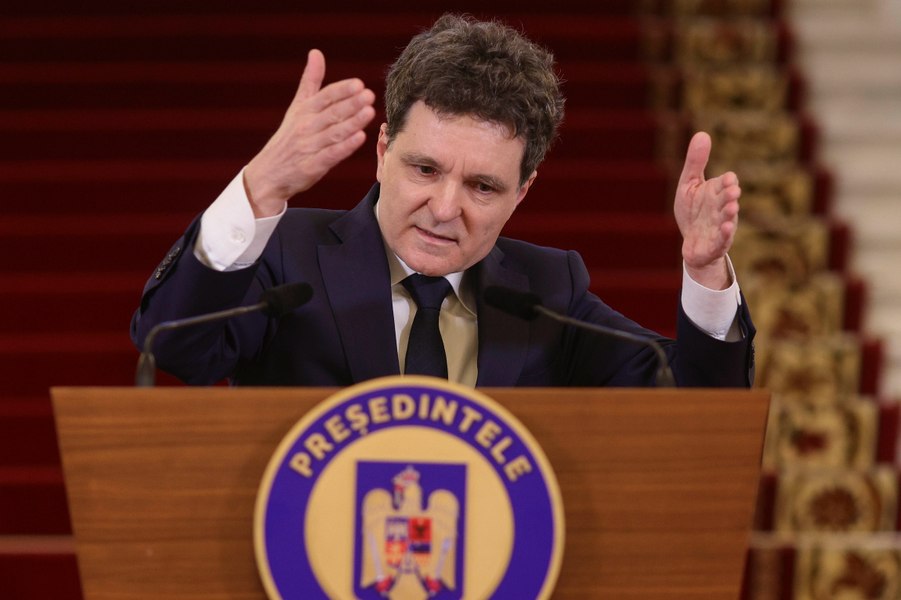
Ilie Bolojan 'Plays Aggressively,' While Nicușor Dan Bets on Caution. 'The PSD Will Turn Against the…
From Our Blog

What Gets Lost (and Found) When News Is Translated

The Critical Role of Diaspora Media in Global News

What Travellers Should Know About Countries with Restricted Press

A Digital Nomad's Guide to Following Local News

How the Same Story Looks Different in Different Countries
