


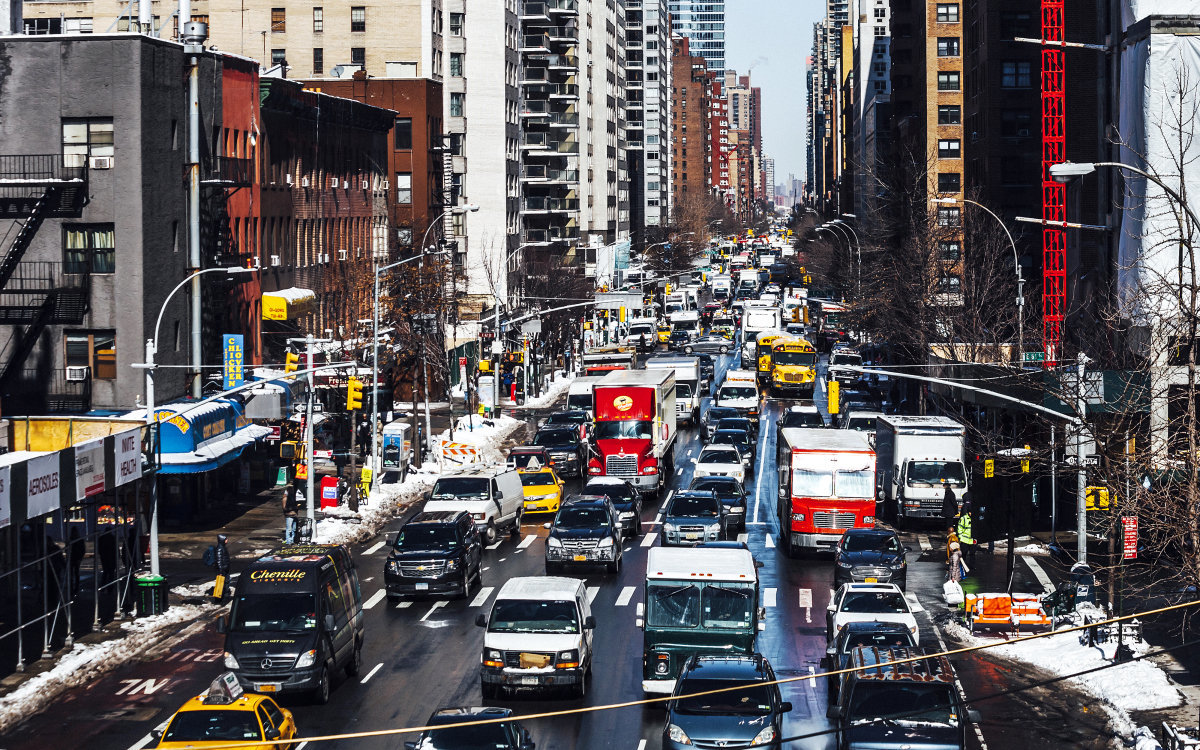
How New York City Solved Its Diplomatic Parking Ticket Problem
Translated from Korean, summarized and contextualized by DistantNews.
TLDR
- A 2006 study by Columbia University and UC Berkeley examined diplomatic parking violations in New York City, where diplomats, protected by immunity, often evaded fines.
- From 1997 to 2002, diplomats accrued over 150,000 violations totaling $18 million, leading NYC to tow vehicles and deduct 110% of unpaid fines from US foreign aid.
- Following these measures, diplomatic parking violations dropped dramatically, with countries previously having high violation rates showing a significant decrease, suggesting a correlation between financial penalties and compliance.
This article from Dong-A Ilbo delves into a fascinating study on diplomatic parking violations in New York City, revealing a stark contrast in behavior based on national wealth and perceived corruption. The research, conducted by academics from Columbia and UC Berkeley, highlights how diplomatic immunity, while intended to facilitate international relations, was exploited by some diplomats to flout local laws, particularly regarding parking. The sheer scale of unpaid fines—over $18 million from 1997 to 2002—posed a significant problem for New York City. The city's innovative response, linking unpaid fines to a deduction from U.S. foreign aid to the diplomats' home countries, proved remarkably effective. This 'financial leverage,' as the article implies, directly addressed the issue, leading to a dramatic reduction in violations. The study found a correlation between a country's corruption level and its diplomats' parking habits, with nations perceived as more corrupt exhibiting higher violation rates. Conversely, diplomats from wealthier, less corrupt nations generally adhered to parking rules, even before the punitive measures were introduced. This suggests that while cultural norms and legal adherence play a role, economic incentives can be a powerful motivator for compliance, especially when facing financial repercussions at the national level. The article's Korean perspective emphasizes how this situation, while seemingly a minor urban issue, reveals deeper insights into international relations, national character, and the universal influence of financial consequences.
DistantNews Editorial
Originally published by Dong-A Ilbo in Korean. Translated, summarized, and contextualized by our editorial team with added local perspective. Read our editorial standards.
More Stories


From Our Blog

What Gets Lost (and Found) When News Is Translated

The Critical Role of Diaspora Media in Global News

What Travellers Should Know About Countries with Restricted Press

A Digital Nomad's Guide to Following Local News

How the Same Story Looks Different in Different Countries
