


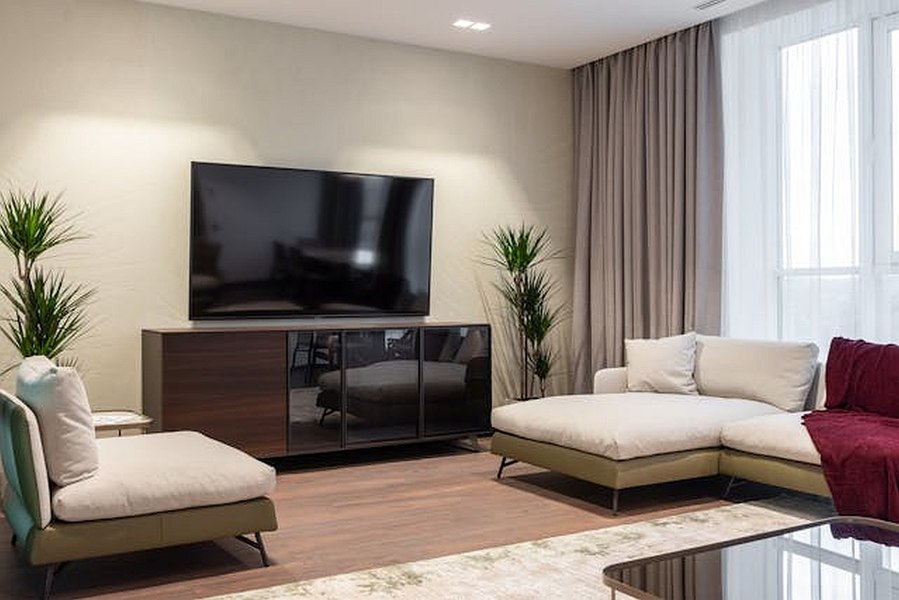
How to choose the right TV screen for your home
Translated from Romanian, summarized and contextualized by DistantNews.
TLDR
- Choosing a TV has become more complex due to numerous options and subtle differences, with a new TV expected to last 5-10 years.
- TCL is highlighted for its strong value in the accessible and mid-range segments, offering features like QLED, Google TV, and Mini-LED technology at competitive prices.
- Sony is recognized for its superior image processing, with advanced processors enhancing visual clarity and user experience, complemented by premium design and build quality.
In today's rapidly evolving electronics market, the decision of which television to bring into your home is far from simple. What was once a straightforward purchase has transformed into a complex choice, demanding careful consideration of numerous options and nuanced technological differences. With a television often serving as a centerpiece in a living room for five to ten years, investing a few hours in research is not just advisable, it's essential.
The market is currently shaped by distinct philosophies from major players. TCL has rapidly established itself as a dominant force in the affordable and mid-range TV market. They consistently challenge established brands with remarkable quality-to-price ratios, often making premium features accessible. Their integration of Quantum dot technology delivers vibrant colors and an expanded color gamut, particularly effective in well-lit environments or for HDR content. Furthermore, the inclusion of Google TV provides a comprehensive streaming ecosystem, ensuring access to all major platforms and regular software updates. For those seeking top-tier performance without the OLED price tag, TCL's higher-end models featuring Mini-LED technology offer precise local dimming control, approaching OLED performance levels while achieving impressive peak brightness for true HDR experiences.
Sony, on the other hand, continues to champion a different approach, focusing on an experience that is less about raw specifications and more about the tangible quality of the image. Their advanced processors, such as the XR or X1 Ultimate, meticulously analyze each frame, making real-time adjustments across dozens of parameters. This results in a perceptible increase in clarity, especially with native 4K content or upscaled lower-resolution material. Sony's commitment to supporting all major HDR formats, combined with the rich content access provided by Google TV, ensures a premium viewing experience. Beyond the screen, Sony's televisions are distinguished by their premium design, utilizing high-quality materials and sophisticated finishes that elevate their aesthetic presence in any home.
For the discerning consumer, the choice between TCL and Sony represents a decision between accessible innovation and refined, image-centric performance. Both brands offer compelling reasons to choose them, catering to different priorities – whether it's maximizing features for the price or prioritizing the ultimate visual fidelity and design elegance. The key takeaway is that thorough research is paramount to making an informed decision that will satisfy viewing needs for years to come.
DistantNews Editorial
Originally published by Adevărul in Romanian. Translated, summarized, and contextualized by our editorial team with added local perspective. Read our editorial standards.
More Stories



From Our Blog

What Gets Lost (and Found) When News Is Translated

The Critical Role of Diaspora Media in Global News

What Travellers Should Know About Countries with Restricted Press

A Digital Nomad's Guide to Following Local News

How the Same Story Looks Different in Different Countries
