


How to Keep Children Safe from Wildfire Smoke
Summarized by DistantNews. Read the original for the full story.
At a glance
Explainer
Named sources
Ongoing story
- Weeks of wildfires in Indonesia have sent hazardous smoke across parts of Southeast Asia, with air quality readings reaching 581 in Pontianak and 681 in East Kotawaringin.
- Indonesia’s Health Ministry reported more than 50,000 respiratory infection cases between July and August, including over 12,000 children under five, while Malaysia recorded a sharp rise in asthma cases.
- Fine particles in wildfire smoke can harm children’s lungs and broader health, and UNICEF advises seeking medical care when children develop breathing difficulties or other noticeable symptoms.
Weeks of fires across Kalimantan and Sumatra have pushed toxic haze across Southeast Asia, putting children among those most vulnerable to the smoke.
Air quality in some affected areas has crossed into the “hazardous” range. Pontianak in West Kalimantan recorded an Air Quality Index reading of 581, while East Kotawaringin in Central Kalimantan reached 681. The haze has also spread across the sea to parts of Malaysia, including Sarawak.
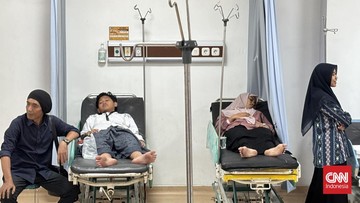
The Indonesian Ministry of Health reported more than 50,000 respiratory infection cases between July and August. More than 12,000 of those affected were children under five, according to the BBC. The Straits Times reported a 259% increase in asthma cases across Malaysia as smoke from Indonesia spread through the country.
Wildfire smoke contains dirt, dust, soot and PM2.5, fine particles roughly 30 times smaller than a strand of hair. Because they are so small, the particles can settle in the lungs and enter the bloodstream. Reported health effects include irritation, shortness of breath, reduced lung function and longer-term heart and lung conditions. Smoke exposure has also been linked to mental health problems and serious illnesses such as cancer.
Children, older people, pregnant women and those with heart disease or asthma face particular risks. Children’s developing lungs and immune systems make them more vulnerable. Exposure during infancy has been associated with low birth weight, birth defects, early diabetes and death. As children grow more active outdoors, smoke can increase risks linked to respiratory disease, asthma, hypertension, obesity, brain function and immune strength. Disasters involving wildfire smoke can also affect children’s mental health.
UNICEF lists chest pain or tightness, breathing difficulty, wheezing, coughing, burning or irritation in the nose, throat and eyes, and dizziness as signs of smoke exposure. Parents and caregivers should take children with breathing problems, trouble sleeping or other noticeable health problems to the nearest health facility. The article says climate change is worsening the range and impact of wildfires, making preparation important before fires begin.
About this summary
Originally published by Tempo. Summarized and contextualized automatically by DistantNews, with a note on how the source frames the story. Not individually reviewed before publishing. How this works.
More Stories


From Our Blog

News in Translation: What Gets Lost, and How We Keep the Framing

Diaspora Media: How Communities Follow News From Home

Traveling Where the Press Is Not Free: How to Read the News There

The Digital Nomad's Guide to Local News

The Same Story, Different Countries: How Coverage Changes at the Border
